
How to Choose Your First Fish: A Decision Framework
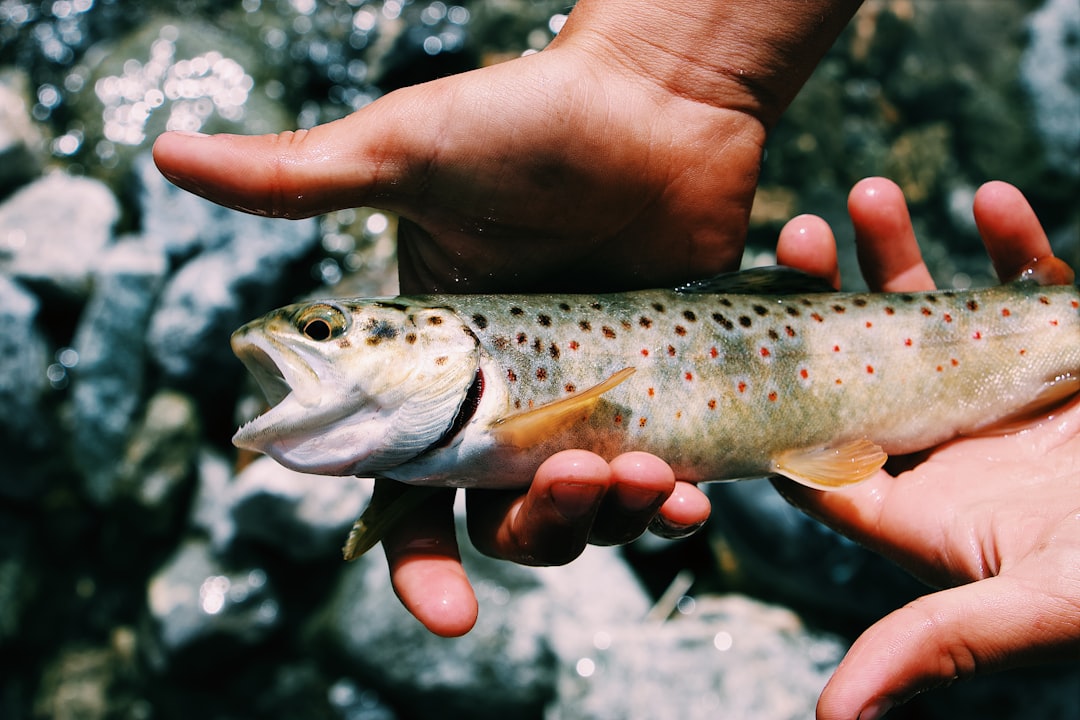
Knowing how to choose first fish aquarium guide-style is about more than picking the prettiest species at the shop. Your first fish set the tone for your entire aquarium experience — the right choices build confidence, while poor selections lead to stress and disappointment. At Gensou Aquascaping at 5 Everton Park, we walk first-time fishkeepers through a simple decision framework that matches the right species to their specific tank, lifestyle and goals.
Start With Your Tank Size
The single most important factor is the volume of your aquarium. A 20-litre nano tank cannot support the same species as a 200-litre community setup. Before browsing fish, know your tank’s capacity and use it as a hard filter when researching species.
For tanks under 30 litres, limit your options to nano fish — Chili Rasboras, Ember Tetras, Endler’s Livebearers or a small shrimp colony. For 60-litre tanks, you can consider schools of Neon Tetras, Harlequin Rasboras or a small group of Corydoras. Tanks of 100 litres and above open the door to larger species and more complex community combinations.
Understand Temperament and Compatibility
Fish temperament ranges from peaceful to highly aggressive. As a beginner, focus on peaceful community species that coexist without territorial disputes. Avoid mixing slow-moving fish with known fin nippers, and never combine predatory species with fish small enough to be eaten.
Research before you buy. A beautiful fish at the shop may grow large, become territorial or require specialist care. Common beginner mistakes include purchasing Red Tail Catfish (which grow over a metre long) or mixing Betta fish with other males of the same species. A few minutes of research prevents years of regret.
Consider Your Water Parameters
Singapore’s tap water is soft and slightly acidic to neutral, which suits many popular tropical species. Fish from soft-water habitats — such as most tetras, rasboras and many catfish — adapt well to local conditions with minimal adjustment.
Species that require hard, alkaline water — such as African cichlids or certain livebearers — will need water parameter modification, which adds complexity and cost. For your first tank, choose species that thrive in the water you already have rather than trying to engineer conditions to suit a particular fish.
Pick Schooling Fish for Impact
A school of six to ten identical fish creates far more visual impact than a random assortment of single specimens. Schooling behaviour is also fascinating to watch — fish move in coordinated groups, creating a dynamic and natural-looking display.
Good schooling species for beginners include Neon Tetras, Cardinal Tetras, Harlequin Rasboras, Rummy Nose Tetras and Cherry Barbs. Choose one or two schooling species rather than one of everything — restraint produces a more cohesive and attractive tank.
Add a Clean-Up Crew
Bottom-dwelling species serve a practical purpose alongside their aesthetic appeal. Corydoras catfish sift through the substrate for uneaten food, Otocinclus catfish graze on algae, and Amano shrimp consume soft algae and organic debris.
A clean-up crew reduces the maintenance burden and keeps the tank looking tidy between water changes. Introduce these species after your tank has cycled and the main fish population has settled in.
Avoid These Common First-Fish Mistakes
Do not buy fish on the same day you set up the tank. Your aquarium needs to complete its nitrogen cycle before it can safely support livestock — this takes four to six weeks. Adding fish to an uncycled tank exposes them to toxic ammonia and nitrite.
Do not overcrowd. The old “one centimetre of fish per litre” rule is a rough guide at best. Consider the adult size of the fish, not the juvenile size you see at the shop. A two-centimetre tetra today may be five centimetres in six months.
Do not buy fish based solely on appearance. Some beautiful species are fragile, aggressive or require expert care. Always research a species’ temperament, adult size, diet and water requirements before purchasing.
A Recommended First Community
For a standard 60-litre planted tank, a proven beginner community includes eight to ten Harlequin Rasboras as the main schooling fish, six Corydoras habrosus or pygmaeus as the bottom dwellers, and five to ten Amano shrimp as the clean-up crew. This combination is peaceful, hardy, visually appealing and perfectly suited to Singapore’s water conditions.
Once this community is stable and you are comfortable with the maintenance routine, you can consider adding a centrepiece fish — a pair of Honey Gouramis or a single Dwarf Gourami adds a focal point without disrupting the community balance.
Take Your Time
Choosing your first fish should be an enjoyable process, not a rushed impulse decision. Visit Gensou Aquascaping to see healthy specimens in well-maintained display tanks, ask questions and get honest recommendations tailored to your specific setup. The right fish, chosen thoughtfully, will reward you with years of enjoyment.
Related Reading
- How to Choose Your First Aquascape Style: Iwagumi, Dutch or Nature
- How to Choose Your First Fish as a Beginner Fishkeeper
- How to Choose Your First Live Aquarium Plants: Easy Species
- Top Aquarium Mistakes in the First Month and How to Avoid Them
- Your First 30 Days With a New Aquarium: Week-by-Week Guide



