How to Aquascape a Peaceful Community Tank
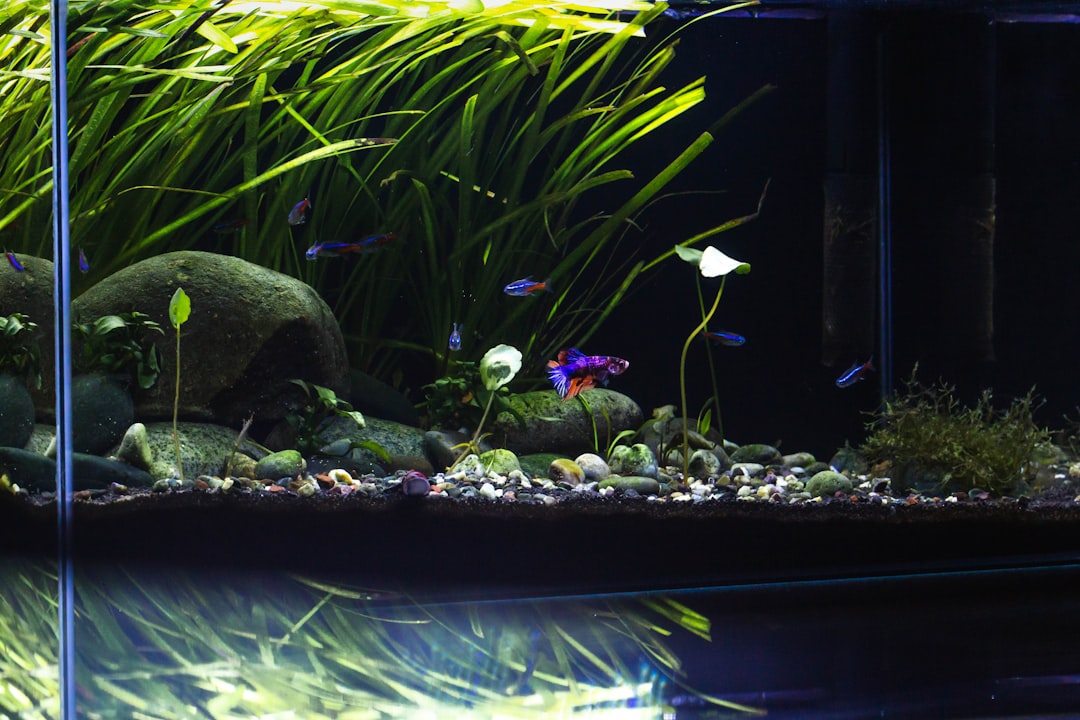
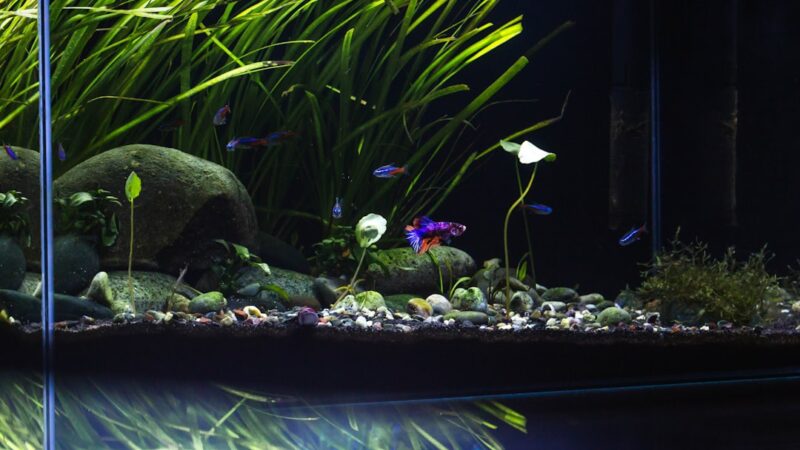
A well-aquascaped community tank does more than look attractive. It reduces stress, minimises aggression, and lets every species display natural behaviour in shared space. The key to a successful aquascape for a peaceful community tank is creating distinct zones that cater to different swimming levels and temperaments. This guide from Gensou Aquascaping at 5 Everton Park, Singapore, walks you through the design principles that make multi-species harmony possible.
Zoning Your Tank by Swimming Level
Community fish occupy different water columns. Surface dwellers like hatchetfish and guppies need open top access. Mid-water schoolers such as tetras and rasboras want horizontal swimming lanes. Bottom dwellers like corydoras and kuhli loaches prefer shaded substrate areas. Your layout should accommodate all three zones without one dominating. Tall background plants provide cover for surface species, open midground areas allow schools to move freely, and shaded foreground caves shelter ground-level residents.
Plant Selection for Peaceful Tanks
Dense planting calms nervous fish and provides visual barriers that prevent low-level aggression from escalating. Background stems like Rotala rotundifolia and Limnophila sessiliflora grow quickly in Singapore’s warm water, creating thick curtains within weeks. Midground plants such as Cryptocoryne wendtii and Anubias species add texture without demanding high light. Foreground carpets of Eleocharis parvula or Marsilea hirsuta soften the transition to the front glass. Floating plants like Salvinia diffuse overhead light, which shy species genuinely appreciate.
Hardscape That Creates Shelter
Driftwood branches placed horizontally along the midground create natural overhangs where shy fish feel secure. Smooth river stones arranged in small clusters give corydoras and loaches resting spots they instinctively seek. Avoid sharp or jagged hardscape that could injure the delicate barbels of bottom dwellers or the flowing fins of bettas and gouramis. Every piece should serve a functional purpose: breaking sightlines, creating shade, or anchoring plants. Decorative excess clutters the tank and reduces the swimming space community fish need.
Open Swimming Channels
One of the most common mistakes in community tank aquascaping is over-planting. Schools of tetras and rasboras need unobstructed horizontal space to display their natural tight-group swimming behaviour. Leave at least one clear channel running the length of the tank, roughly one-third of the total width. This open lane becomes the visual centrepiece when a school of 15-20 fish moves through it in unison. Position it slightly off-centre for a more natural, asymmetric composition.
Lighting for Comfort and Growth
Moderate lighting of 40-60 lumens per litre suits both the plants and the fish in a typical community setup. Extremely bright lights stress shy species like cardinal tetras and chocolate gouramis, while very dim setups limit plant growth. A programmable LED fixture with a gradual sunrise and sunset ramp mimics natural light cycles and prevents the startling on-off switch that sends fish darting for cover. An 8-hour photoperiod balances plant health against algae risk in Singapore’s nutrient-rich tap water.
Substrate Choices
Fine, rounded gravel or sand protects the barbels of corydoras and kuhli loaches, which spend hours sifting the substrate for food. Aquasoil works well for planted sections but can be too lightweight for heavy diggers. A practical compromise is aquasoil in planted zones capped with fine sand in the open foreground where bottom dwellers roam. Substrate depth of 4-6 cm at the back and 2-3 cm at the front creates a gentle slope that enhances the illusion of depth in tanks as small as 60 cm.
Stocking Considerations That Affect Layout
Plan your aquascape around your intended fish list, not the other way around. If you want a large school of rummy-nose tetras, prioritise open swimming space over dense planting. If dwarf gouramis are the centrepiece, include floating plants and surface-level hiding spots they favour. Shrimp-heavy communities benefit from mosses and fine-leaved plants where neocaridina find biofilm and shelter from curious tankmates. Designing layout around behaviour produces a tank where every resident looks settled and comfortable.
Bringing Peace and Beauty Together
The best peaceful community tank aquascape feels effortless: schools glide through open water, bottom dwellers forage undisturbed, and plants frame everything in living green. Achieving that result takes deliberate planning of zones, sightlines, and shelter. Start with your fish list, design the layout to meet their needs, and let the aesthetic emerge from function. Gensou Aquascaping is always happy to help you plan a community layout that keeps every species thriving in your Singapore home.
Related Reading