
How to Rescue a Dying Fish: Emergency First Aid
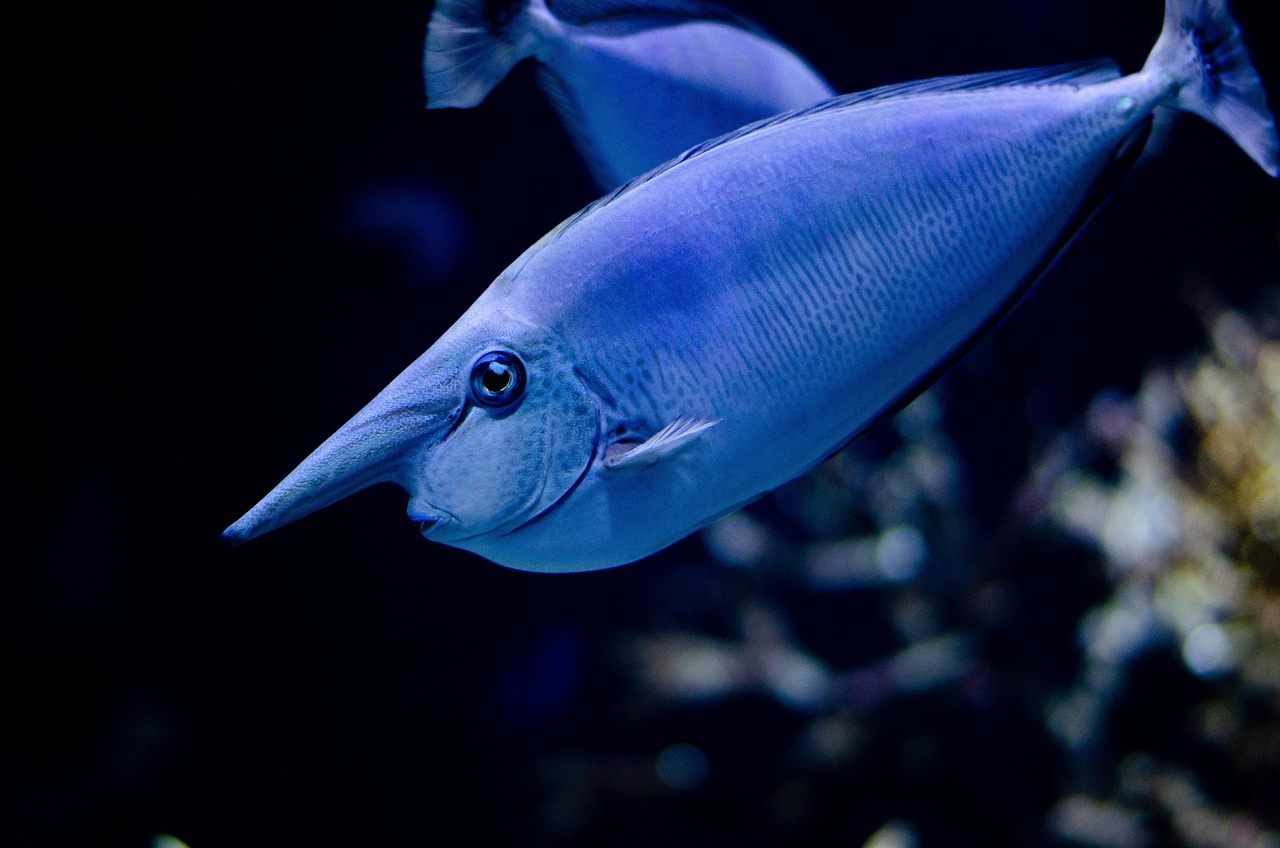
This rescue dying fish emergency guide provides clear, actionable steps to take when you notice a fish in distress. Panic is natural, but a calm and systematic response gives your fish the best chance of survival. At Gensou Aquascaping at 5 Everton Park, we field emergency calls from worried hobbyists regularly, and the advice below reflects what works in real-world crisis situations.
Assess the Situation Quickly
Before taking action, observe for 30 seconds. Note the fish’s symptoms — is it gasping at the surface, lying on its side, covered in white spots, bloated, or showing bloody streaks? Check whether other fish are affected or if the problem is isolated to one individual.
Quickly test your water parameters. Ammonia and nitrite spikes are the most common causes of acute fish distress. If you do not have a test kit immediately available, a large water change is a safe first step regardless of the cause.
Emergency Water Change
Perform an immediate 50 per cent water change using dechlorinated water matched to the tank’s temperature. This single action addresses the most common emergency causes — ammonia poisoning, nitrite poisoning, chemical contamination and oxygen depletion. It is the aquarium equivalent of clearing a patient’s airway.
If your tap water takes time to dechlorinate, add the conditioner directly to the tank and begin filling. In an emergency, the risk of momentary chlorine exposure is lower than the risk of leaving your fish in toxic water.
Increase Oxygenation
Low oxygen is an immediate threat to life. Increase surface agitation by adjusting your filter outflow to break the surface, or add an airstone connected to an air pump. In Singapore’s warm climate, dissolved oxygen levels can drop dangerously, especially in overstocked or heavily planted tanks at night.
If you do not have an air pump, pour water from a height back into the tank to create splashing. Even this crude method introduces oxygen in an emergency.
Isolate the Affected Fish
If only one fish is showing symptoms, move it to a quarantine container. This can be a clean bucket or a small spare tank with an airstone and a heater if available. Isolation prevents potential disease transmission to healthy tank mates and allows you to treat the individual without medicating the entire system.
Use water from the main tank to fill the quarantine container so the fish does not experience a parameter change on top of its existing stress. Add a hiding spot — even a clean coffee mug on its side — to reduce stress.
Identify Common Emergency Causes
Ammonia poisoning presents as red or inflamed gills, gasping, lethargy and clamped fins. Test immediately and perform large water changes until ammonia reads zero. Dose a water conditioner that detoxifies ammonia, such as Seachem Prime, as an interim measure.
Nitrite poisoning causes brown gills, lethargy and difficulty breathing. The treatment is the same — large water changes and adding aquarium salt at one teaspoon per 20 litres, which helps fish cope with nitrite toxicity by providing chloride ions.
Oxygen depletion causes fish to gasp at the surface, especially at dawn. Increase aeration immediately and reduce the bioload or temperature if possible.
Temperature shock occurs when fish are exposed to rapid temperature changes, often during water changes or transport. Stabilise the temperature gradually — no more than one degree per hour.
When to Use Salt
Plain aquarium salt (sodium chloride without iodine or anti-caking agents) is a versatile first aid tool. A mild dose of one teaspoon per 20 litres helps fish cope with nitrite poisoning, mild infections and external parasites. It promotes slime coat production and reduces osmotic stress.
Do not use salt in tanks with sensitive plants or scaleless fish like loaches unless the situation is critical. Salt is not suitable for shrimp tanks. Always dissolve the salt in a separate container of tank water before adding it to the aquarium.
Recognising When It Is Too Late
Sadly, not every fish can be saved. If a fish is lying motionless with no gill movement, has a severely distended body or shows advanced signs of disease such as large open sores or extreme emaciation, humane euthanasia may be the kindest option. Clove oil dissolved in water is the most widely accepted humane method — it sedates the fish before stopping respiration.
Use the experience as a learning opportunity. Test your water, review your maintenance routine and identify what went wrong. Prevention is always better than emergency response.
Prevention Is the Best Medicine
The best way to handle emergencies is to prevent them. Maintain a consistent water change schedule, test parameters regularly, avoid overstocking and never skip tank cycling. Keep a small emergency kit at home — a bottle of water conditioner, aquarium salt, an airstone with pump and a basic test kit cover most crisis scenarios. For emergency supplies and troubleshooting help, visit Gensou Aquascaping at any time during our opening hours.
Related Reading



