Aquarium as Home Décor: Placement, Styles and Design Tips
Table of Contents
- Introduction
- Why Aquariums Work as Home Décor
- Choosing the Right Aquarium Style
- Placement Tips for Singapore Homes
- Matching Your Aquarium to Your Interior Design
- Tank Sizes for Different Spaces
- Lighting and Ambience
- Common Décor Mistakes to Avoid
- Maintenance Considerations
- Frequently Asked Questions
- Conclusion
Introduction
An aquarium home décor guide can transform the way you think about interior design. Far from being just a container for fish, a well-placed aquarium serves as a living artwork — one that shifts, breathes and evolves with time. In Singapore, where space is at a premium and homes are increasingly designed with intentionality, aquariums offer a unique blend of nature, movement and elegance that no painting or sculpture can replicate.
At Gensou Aquascaping, based at 5 Everton Park, we have spent over 20 years helping Singaporean homeowners integrate aquariums into their living spaces. Whether you live in an HDB flat, a condominium or a landed property, there is an aquarium style and placement strategy that will elevate your home. This guide walks you through everything you need to know — from choosing the right aesthetic to avoiding costly mistakes.
Why Aquariums Work as Home Décor
There is a reason aquariums appear in high-end hotel lobbies, executive offices and luxury homes around the world. They command attention without overwhelming a room. The gentle movement of fish and the play of light through water create a focal point that is both calming and visually striking.
The Visual Impact
An aquarium introduces colour, depth and motion into a space. Unlike static décor, it changes throughout the day — fish swim in different patterns, plants sway gently, and lighting shifts create new moods. This dynamism keeps the eye engaged without causing visual fatigue.
Sensory Benefits
Beyond aesthetics, aquariums engage multiple senses. The soft hum of a filter, the subtle sound of water movement and the visual rhythm of aquatic life all contribute to a relaxing atmosphere. Studies have shown that watching fish can lower blood pressure and reduce stress — a genuine health benefit disguised as interior design.
Conversation Starter
Few décor pieces generate as much conversation as a beautifully scaped aquarium. Guests are naturally drawn to observe the inhabitants and the landscape, making it an effortless icebreaker during social gatherings.
Choosing the Right Aquarium Style
The style of your aquarium should complement your home’s existing design language. Here are the most popular approaches:
| Style | Description | Best Suited For | Maintenance Level |
|---|---|---|---|
| Nature Aquarium | Lush planted tanks mimicking natural landscapes | Modern, Scandinavian, Japandi interiors | Moderate to High |
| Iwagumi | Minimalist rock arrangements with carpet plants | Minimalist, contemporary spaces | Moderate |
| Dutch Style | Dense, colourful plant arrangements like an underwater garden | Traditional, eclectic interiors | High |
| Biotope | Replicates a specific natural habitat | Rustic, nature-themed homes | Low to Moderate |
| Marine Reef | Vibrant corals and saltwater fish | Luxury, statement-piece installations | High |
| Paludarium | Combined land and water environment | Creative, biophilic-focused homes | Moderate |
Nature Aquarium
Popularised by the late Takashi Amano, the Nature Aquarium style uses driftwood, stones and live plants to create miniature landscapes. These tanks are particularly effective in modern Singaporean homes where natural textures and greenery are valued. Think of it as bringing a slice of the rainforest indoors.
Iwagumi
If your home leans towards minimalism, an Iwagumi layout — with its carefully positioned stones and low carpet plants — delivers powerful visual impact through restraint. The clean lines and open space mirror the principles of Japanese design.
Marine Reef
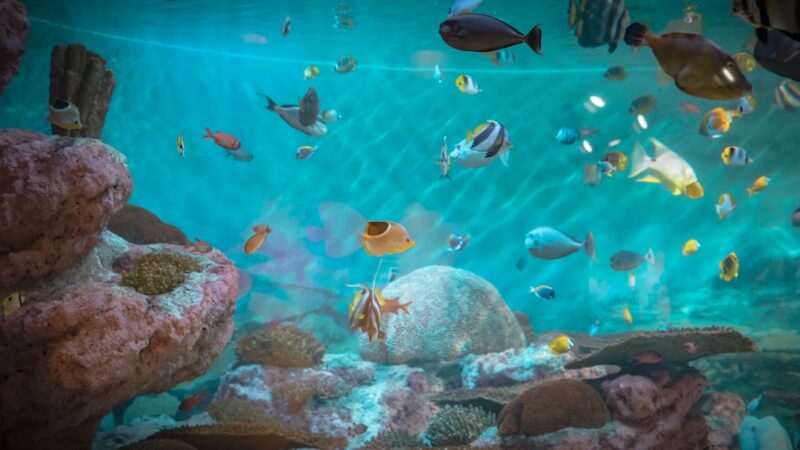
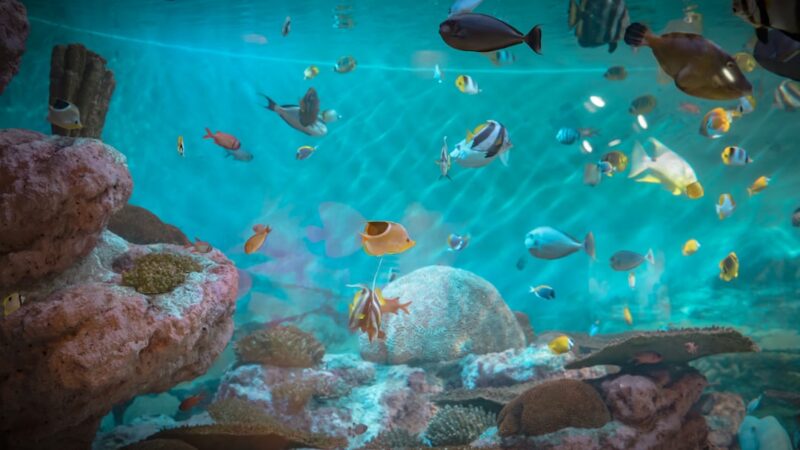
For those seeking maximum colour and drama, a marine reef tank with corals and tropical fish is unmatched. However, it demands a higher budget and more involved maintenance. It works best as a centrepiece in larger living areas or entertainment rooms.
Placement Tips for Singapore Homes
Singapore’s unique housing landscape — from compact HDB flats to spacious landed properties — means placement decisions require careful thought.
HDB Flats
Space is the primary constraint. Consider placing a smaller tank (60–90 cm) on a sturdy console table in the living room, or integrating a nano tank into a bookshelf unit. Avoid placing tanks near the main door where foot traffic is heaviest, as vibrations can stress fish.
Condominiums
Many condos feature open-plan layouts, making room dividers a clever use case. A freestanding aquarium cabinet positioned between the living and dining areas creates visual separation without blocking light or sightlines. Check your condo’s weight restrictions for flooring before installing large tanks.
Landed Properties
With more floor space and structural support, landed homes can accommodate larger installations — built-in wall aquariums, floor-to-ceiling tanks or even outdoor pond-style setups. These are opportunities to create truly bespoke statements.
General Placement Rules
- Avoid direct sunlight: Singapore’s intense tropical sun promotes excessive algae growth. Place tanks away from windows that receive prolonged direct light.
- Ensure structural support: A filled 120 cm tank can weigh over 200 kg. Verify that your flooring can handle the load, especially on upper floors.
- Access for maintenance: Leave at least 30 cm of clearance above the tank for water changes, feeding and equipment adjustments.
- Proximity to power outlets: Filters, heaters and lights all require electricity. Plan your placement near existing outlets to avoid unsightly extension cords.
- Keep away from air-conditioning vents: Direct airflow from aircon units can cause temperature fluctuations that stress fish and encourage condensation on the glass.
Matching Your Aquarium to Your Interior Design
The aquarium itself is only part of the equation. The cabinet, lighting and surrounding décor all contribute to the overall effect.
Modern and Minimalist Homes
Choose a rimless glass tank with a sleek, handleless cabinet in white, matte black or light wood tones. Keep the scape clean and uncluttered — an Iwagumi or simple Nature Aquarium style works beautifully. Avoid ornate decorations or colourful artificial plants.
Scandinavian and Japandi Interiors
Opt for natural wood cabinets with clean lines. A planted tank with driftwood and moss complements the organic, warm tones typical of these styles. Earthy substrate colours work better than bright white sand.
Industrial and Urban Styles
Metal-framed stands, exposed filtration and hardscape-heavy aquascapes suit industrial aesthetics. Consider a tank with dark backgrounds and dramatic stone arrangements.
Luxury and Classic Interiors
A marine reef tank in a custom-built cabinet with integrated lighting makes a powerful statement. Marble or high-gloss finishes on the cabinetry tie the aquarium into a premium interior scheme.
Tank Sizes for Different Spaces
| Room | Recommended Tank Size | Tank Type | Notes |
|---|---|---|---|
| Study / Home Office | 20–30 cm nano | Desktop nano tank | Shrimp or betta; low maintenance |
| Bedroom | 30–45 cm | Small planted tank | Quiet filter essential; avoid noisy equipment |
| Living Room | 60–120 cm | Nature or reef aquarium | Primary focal point; invest in quality scape |
| Dining Area | 60–90 cm | Planted or biotope | Position at eye level when seated |
| Entrance / Foyer | 45–90 cm | Any style | Sets the tone for your home; keep immaculate |
| Room Divider | 90–150 cm | Freestanding with open back | Viewable from both sides; requires careful planting |
Lighting and Ambience
Aquarium lighting does double duty: it sustains plant life and sets the mood of the room.
LED Systems
Modern LED lights offer adjustable colour temperatures and intensity. For a warm, inviting ambience, opt for lights in the 6,500–7,000 Kelvin range. Many systems now include sunrise and sunset simulation, which gradually transitions the tank from darkness to full illumination — a lovely effect in the evenings.
Moonlight Mode
Some LED units feature a low-intensity blue “moonlight” setting. This creates a soothing glow after the main lights are off, perfect for bedrooms or living rooms where you watch television in dim lighting.
Room Lighting Integration
Consider how your aquarium lighting interacts with the room’s ambient light. A brightly lit tank in a dark room becomes a dramatic centrepiece. In a well-lit room, the tank blends more subtly into the space. Both effects have their place — the key is intentionality.
Common Décor Mistakes to Avoid
Even with the best intentions, homeowners frequently make errors when incorporating aquariums into their décor.
1. Choosing Style Over Substance
A stunning aquarium that you cannot maintain will quickly become an eyesore. Algae-covered glass, murky water and dying plants detract from any interior. Be honest about how much time you can dedicate to upkeep, or engage a professional maintenance service.
2. Ignoring Proportions
A tiny nano tank on a large, empty wall looks lost. Conversely, an oversized tank in a small room can feel overwhelming. The aquarium should be proportionate to its surroundings — as a general rule, it should occupy roughly one-third to one-half of the wall or furniture piece it sits on.
3. Mismatched Aesthetics
A brightly coloured artificial-coral setup in a sleek, monochrome apartment clashes visually. Similarly, a plain gravel tank with no scape does little to enhance a carefully designed interior. Match your aquarium’s style to your home’s design language.
4. Poor Cable Management
Visible cables, hoses and equipment detract from the clean look of an aquarium. Use cable management trays, route hoses behind cabinetry and choose canister filters that can be hidden inside the cabinet.
5. Neglecting the Cabinet
The stand or cabinet is as much a part of the décor as the tank itself. A cheap, flimsy stand undermines even the most beautiful aquascape. Invest in a quality cabinet that complements your furniture.
Maintenance Considerations for Décor Aquariums
A décor aquarium must look impeccable at all times. This means maintenance is not optional — it is part of the design commitment.
Weekly Tasks
- Wipe the glass inside and out to remove algae and water spots
- Perform a 20–30% water change
- Trim plants that have grown past their intended shape
- Remove any dead leaves or debris
Monthly Tasks
- Clean filter media (rinse in tank water, never tap water)
- Check and replace any burnt-out bulbs or LEDs
- Inspect equipment for wear or malfunction
- Re-dose fertilisers for planted tanks
Professional Maintenance
If you prefer a hands-off approach, Gensou Aquascaping offers regular maintenance packages. We handle everything from water changes to plant trimming, ensuring your aquarium always looks its best. This is particularly popular among busy professionals and property developers who want the visual impact without the time commitment.
Frequently Asked Questions
Can I place an aquarium in my BTO flat without damaging the flooring?
Yes, but take precautions. Most HDB flooring can support small to medium tanks (up to 90 cm) without issues. For larger setups, place the tank against a load-bearing wall and use a proper aquarium cabinet that distributes weight evenly. If your flat has vinyl flooring, place a protective mat beneath the cabinet to guard against water damage.
How much does a decorative aquarium setup cost in Singapore?
Costs vary widely. A simple planted nano tank starts from around $200–$400 including equipment. A mid-range 90 cm Nature Aquarium with cabinet runs between $800 and $1,500. High-end custom installations — built-in wall tanks or large marine reef setups — can range from $3,000 to $15,000 or more depending on complexity. Gensou offers consultations to help you find the right balance of budget and impact.
Will an aquarium make my room humid?
Open-top tanks do increase humidity slightly, which can be a concern in Singapore’s already humid climate. Using a glass lid or cover reduces evaporation significantly. In air-conditioned rooms, this is rarely an issue as the aircon dehumidifies the space. For open-top planted tanks, ensure the room has adequate ventilation.
How do I choose between a freshwater and marine aquarium for décor purposes?
Freshwater planted tanks are easier to maintain, more affordable and versatile in style. Marine tanks offer more vivid colours and exotic inhabitants but demand a higher budget and more expertise. If you are new to fishkeeping and want a décor-first approach, start with freshwater. You can always transition to marine later once you are comfortable with the hobby.
Related Reading
- Aquarium for Nursing Homes: Gentle Engagement for Residents
- Aquarium as Wedding Venue Decor: Unique Centrepiece Ideas
- Best Desk Aquarium for Working From Home
- How to Choose the Best Location for Your Aquarium at Home
- How to Plan an Aquarium Into a New Home Build
Conclusion
An aquarium is one of the most unique and rewarding additions you can make to your home’s interior. It combines living art, nature and design in a way that no other décor element can. The key is thoughtful planning — choosing the right style, placing it strategically and committing to regular upkeep.
Whether you are looking for a small desktop tank for your study or a grand living room centrepiece, Gensou Aquascaping is here to help. With over two decades of experience and a deep understanding of Singapore’s housing landscape, we can design, install and maintain an aquarium that perfectly complements your home.
Ready to transform your space? Get in touch with our team to book a consultation, browse our curated selection of tanks and equipment, or explore our custom aquarium design service.