
Best Digital pH Monitors for Aquariums
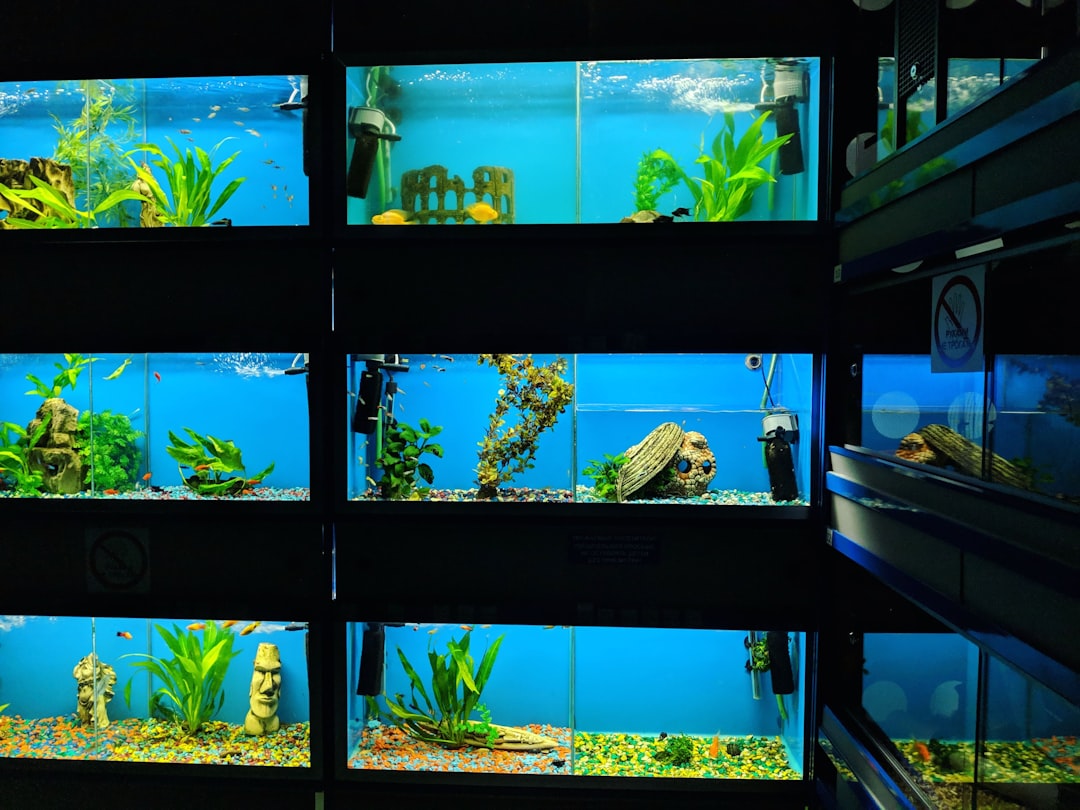
A reliable best digital pH monitor aquarium setup gives you real-time insight into your water chemistry, allowing you to react quickly to dangerous swings. At Gensou Aquascaping, located at 5 Everton Park in Singapore, we consider a quality pH monitor essential for any serious planted tank or shrimp-keeping setup.
Why pH Monitoring Matters
The pH level of your aquarium water affects everything from nutrient availability for plants to the comfort and survival of your livestock. Most tropical freshwater species thrive between pH 6.0 and 7.5, while sensitive caridina shrimp require a tighter range of 5.5 to 6.5. Even small fluctuations outside these ranges can cause stress, disease, and mortality. In Singapore, tap water pH typically sits between 7.0 and 8.0 depending on the region, so active monitoring is especially important for soft-water setups.
Digital Monitors vs Liquid Test Kits
Liquid test kits are affordable and require no calibration, but they rely on colour matching, which introduces human error. Subtle differences between pH 6.4 and pH 6.8 can be nearly impossible to distinguish under different lighting conditions. Digital monitors display a precise numerical reading, often to two decimal places, removing all guesswork.
The trade-off is that digital monitors require regular calibration and probe replacement. However, for anyone dosing CO2, keeping sensitive livestock, or managing multiple tanks, the accuracy and convenience of a digital monitor far outweigh the maintenance requirements.
Types of Digital pH Monitors
Pen-type pH meters are handheld devices that you dip into a water sample. They are portable, affordable, and suitable for hobbyists who test occasionally. Continuous pH monitors feature a probe that stays submerged in the tank, connected to a display unit that shows real-time readings 24 hours a day. Controller-type monitors go a step further by connecting to equipment such as CO2 solenoids, automatically shutting off gas injection if pH drops below a set threshold.
Top Digital pH Monitors Worth Considering
The Milwaukee MC122 is a popular continuous monitor with a built-in controller function. It displays pH on a clear LED screen and allows you to set a low-pH cutoff point that triggers a relay to shut off CO2. In Singapore, the MC122 retails for approximately SGD 120 to SGD 160 at aquarium specialty shops. Its probe is replaceable and costs around SGD 40 to SGD 50.
The Bluelab pH Pen is a high-quality handheld option favoured by hobbyists who manage several tanks. It features automatic temperature compensation and a durable double-junction probe. Expect to pay around SGD 90 to SGD 120. For budget-conscious hobbyists, generic pen-type pH meters from Shopee or Lazada cost as little as SGD 15 to SGD 25, though accuracy and probe longevity are notably lower.
At the premium end, the GHL ProfiLux pH module integrates with a full aquarium controller system, offering data logging, smartphone alerts, and multi-parameter monitoring. The module alone costs upward of SGD 200, making it best suited for advanced hobbyists with complex setups.
Calibration Best Practices
Every digital pH monitor requires calibration using buffer solutions, typically pH 4.0 and pH 7.0. Calibrate at least once a month, or more frequently if readings seem inconsistent. Always use fresh buffer solutions; expired or contaminated buffers will throw off your calibration. Buffer solution sachets cost around SGD 5 to SGD 10 for a set and are available at most aquarium shops in Singapore.
Store the probe in electrode storage solution when not in use, or keep it submerged in the tank if using a continuous monitor. Never let the probe tip dry out, as this damages the glass membrane and shortens its lifespan significantly.
Probe Care and Replacement
pH probes are consumable items with a typical lifespan of six to eighteen months depending on usage and water conditions. Signs of a failing probe include slow response times, readings that drift after calibration, and inability to calibrate to buffer solutions. Replace the probe promptly when you notice these symptoms rather than relying on questionable data.
Clean the probe gently with a soft cloth and distilled water after each use if it is a handheld unit. For continuous monitors, remove the probe during tank maintenance to avoid accidental damage. Never scrub the glass bulb at the tip, as this destroys the sensitive membrane.
Integrating pH Monitoring with CO2 Injection
For aquascapers running pressurised CO2, a pH controller is invaluable. CO2 dissolves in water to form carbonic acid, lowering pH. A controller monitors pH in real time and switches the CO2 solenoid off when pH reaches your target value, preventing dangerous drops. This is especially useful overnight when plants stop consuming CO2 but injection may continue if controlled only by a timer.
Set your pH cutoff approximately 1.0 unit below your degassed pH for a target CO2 concentration of roughly 30 ppm. For example, if your degassed tank water reads pH 7.2, set the controller to cut off at pH 6.2. This approach provides a good balance between plant growth and livestock safety.
Gensou Aquascaping’s Recommendation
For most planted tank hobbyists in Singapore, the Milwaukee MC122 offers the best balance of accuracy, controller functionality, and value. If you prefer a portable option for testing multiple tanks, the Bluelab pH Pen is excellent. Whichever monitor you choose, commit to regular calibration and timely probe replacement for dependable results. Visit Gensou Aquascaping at 5 Everton Park to see our pH monitoring setups firsthand and get advice tailored to your specific water parameters and livestock.
Related Reading



