Best Inline Heaters for Aquarium Canister Filters
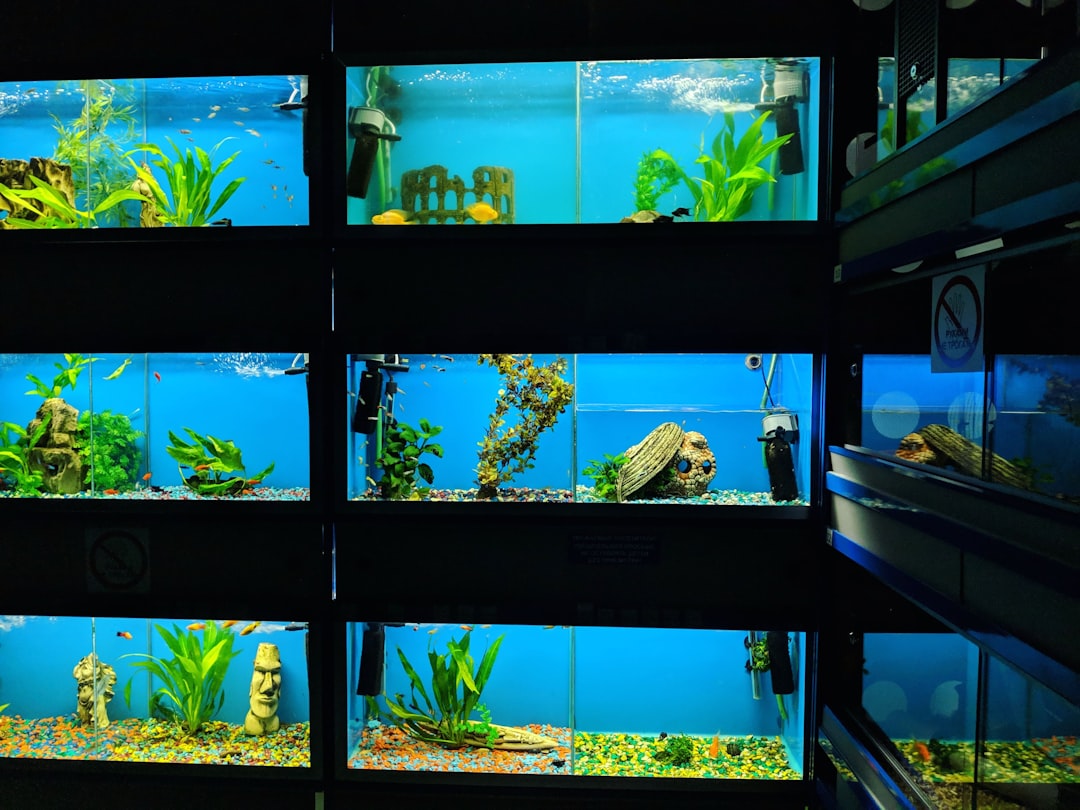
This best inline heater aquarium guide covers everything you need to know about moving your heater out of the display tank and into the canister filter line. At Gensou Aquascaping, 5 Everton Park, Singapore, we install inline heaters on many of our client setups because they deliver even heat distribution and a cleaner-looking aquascape.
What Is an Inline Heater?
An inline heater is an external heating unit that connects to the tubing of a canister filter. Water flows out of the canister, through the inline heater and back into the tank already warmed to the set temperature. Unlike traditional submersible heaters that sit inside the aquarium, an inline heater is completely hidden from view. This eliminates the visual clutter of a glass or titanium rod in the display, which is especially desirable in aquascaped tanks where aesthetics matter.
Benefits of Going Inline
Beyond aesthetics, inline heaters offer several practical advantages:
- Even heat distribution: Water is heated as it flows through the unit, so warm water is distributed evenly across the tank via the canister return. There are no hot spots near the heater element.
- Safety: The heater is enclosed and located outside the tank, reducing the risk of burns to curious fish and eliminating the danger of a cracked glass heater leaking into the water.
- More tank space: Removing a bulky submersible heater frees up valuable real estate inside the aquarium, particularly in smaller setups.
- Precise control: Many inline heaters feature digital thermostats with accuracy to within 0.5 degrees Celsius.
Top Inline Heaters on the Market
The Hydor ETH range is one of the most popular inline heaters among aquascapers. Available in 200W and 300W models, it features a durable plastic housing and a reliable thermostat. The 200W model suits tanks up to 200 litres and costs approximately SGD 60 to SGD 80 in Singapore. Connection is straightforward, fitting 12/16 mm and 16/22 mm tubing with included adapters.
The ISTA inline heater is a strong budget-friendly option widely available in Singapore. Priced at SGD 35 to SGD 55, it offers digital temperature control and an LED display. It connects to standard 12/16 mm or 16/22 mm canister tubing and is rated at 150W to 300W depending on the model. Build quality is adequate for the price, though some hobbyists report less precise temperature regulation compared to the Hydor.
For premium setups, the Eheim thermocontrol inline heater integrates seamlessly with Eheim canister filters. Its build quality and thermostat accuracy are excellent, but it comes at a higher price of SGD 90 to SGD 130. The UP Aqua inline heater is another Taiwanese option popular in the Singapore market, offering good value at SGD 40 to SGD 60 with reliable temperature control.
Sizing Your Inline Heater
As a general rule, allow 1 to 1.5 watts per litre of tank water. A 150-litre tank needs a 150W to 200W heater; a 300-litre tank requires 300W or more. In Singapore, where ambient temperatures rarely drop below 26 degrees Celsius, the heater’s workload is light. Many hobbyists find they only need the heater during prolonged air-conditioning use or the occasional cool spell. If your tank sits in an air-conditioned room at 22 degrees Celsius for eight or more hours daily, size up to ensure the heater can maintain your target temperature without running continuously.
Installation Tips
Install the inline heater on the return (outflow) side of the canister filter, after the filter but before the water re-enters the tank. This ensures the heater receives a steady, filtered flow. Position the unit vertically or at a slight angle as recommended by the manufacturer. Ensure the tubing connections are secure and use hose clamps to prevent leaks. Prime the canister filter and confirm water is flowing through the heater before plugging it in. Running an inline heater dry, even briefly, can damage the element and void the warranty.
Monitoring Temperature
Even with a built-in thermostat, always verify the actual tank temperature with an independent thermometer. A digital thermometer with a probe, costing SGD 5 to SGD 15 at local aquarium shops, provides accurate readings. Check the temperature at multiple points in the tank to confirm even distribution. If you notice a temperature difference of more than 1 degree Celsius between different areas, adjust the return outlet position or add a small circulation pump to improve flow.
Maintenance and Longevity
Inline heaters require minimal maintenance. Inspect the tubing connections for leaks every few weeks. If your water is hard or mineral-rich, calcium deposits can accumulate inside the heater housing over time. Disconnect the unit every six months and soak it in a dilute vinegar solution to dissolve any buildup. Rinse thoroughly before reconnecting. Most quality inline heaters last three to five years with proper care. Keep the original packaging and warranty card, as reputable brands honour replacements for manufacturing defects.
Is an Inline Heater Right for You?
If you already run a canister filter and value a clean, equipment-free look inside your aquarium, an inline heater is one of the best upgrades you can make. The investment is modest, installation is simple and the result is a more attractive and evenly heated tank. For hobbyists in Singapore who do not use air conditioning heavily, the heater may run infrequently, but it provides valuable insurance during cooler periods and overnight temperature dips. The team at Gensou Aquascaping can recommend the right model for your canister setup and install it during a maintenance visit.
Related Reading