
Best RO Membranes for Aquarium Water Purification
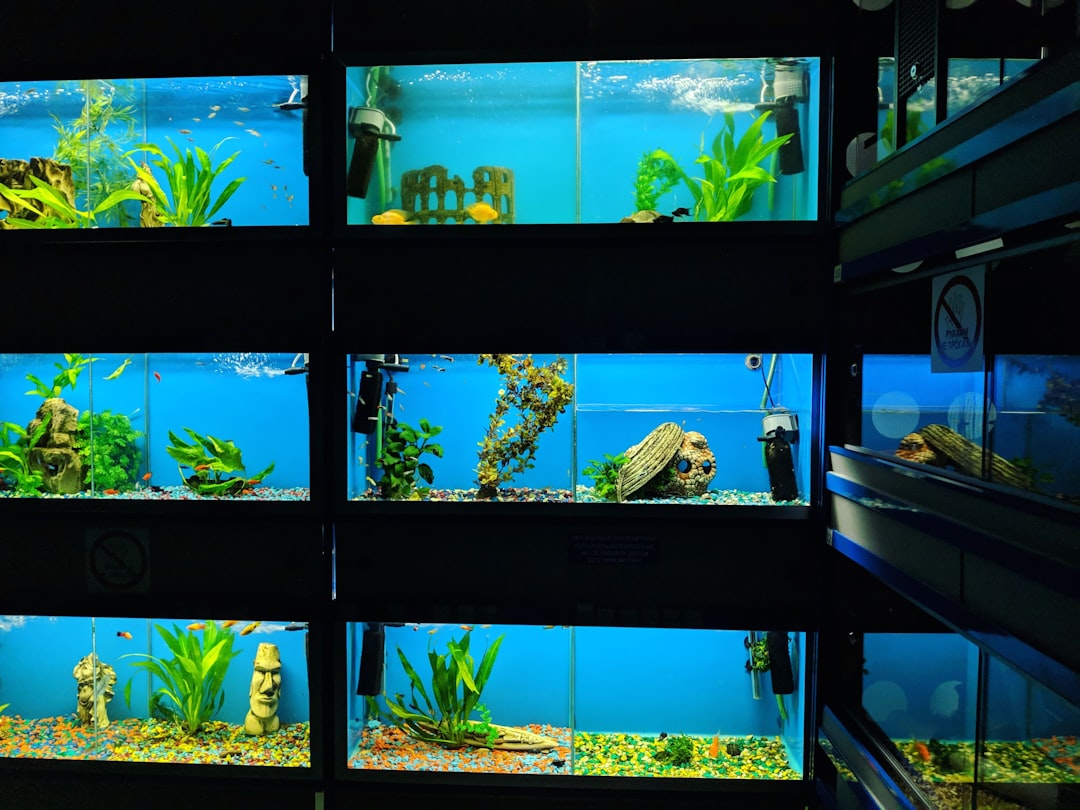
Finding the best RO membrane aquarium guide is essential if you keep sensitive livestock that demands ultra-pure water. At Gensou Aquascaping, 5 Everton Park, Singapore, we rely on reverse osmosis filtration daily for our Caridina shrimp breeding projects and reef installations, and the membrane is the heart of every RO system.
Why Aquarists Use RO Water
Reverse osmosis removes up to 99 per cent of dissolved minerals, chloramine, heavy metals and organic contaminants from tap water. Singapore PUB tap water, while safe for drinking, contains variable TDS levels of 50 to 130 ppm and trace amounts of copper, chloramine and silicates that can harm sensitive species. Caridina shrimp, discus, certain Apistogramma species and SPS corals in reef tanks all benefit from starting with near-zero TDS water that is then remineralised to precise specifications. RO water also eliminates the silicates that fuel diatom algae in new setups.
How an RO Membrane Works
An RO membrane is a semi-permeable film, typically made of thin-film composite (TFC) polyamide, wound into a tight spiral inside a cylindrical housing. Water is forced through the membrane under mains pressure, and contaminants too large to pass through the membrane’s pores are flushed away as waste water. The purified water, called permeate, exits through a separate outlet. Membrane pore size is measured in angstroms, and aquarium-grade TFC membranes typically reject 95 to 99 per cent of dissolved solids. Performance degrades over time as the membrane fouls, so periodic replacement is necessary.
Key Specifications to Compare
When choosing a membrane, consider the following:
- Rejection rate: Look for membranes rated at 96 per cent or higher. Premium membranes from Filmtec, Vontron and CSM regularly achieve 98 to 99 per cent rejection when new.
- Gallons per day (GPD): This indicates production capacity under ideal test conditions (typically 60 psi and 25 degrees Celsius). A 75 GPD membrane suits most hobbyists; larger systems of 100 to 150 GPD are better for reef tanks or multiple aquariums.
- Waste-to-product ratio: Standard membranes produce 3 to 4 litres of waste for every litre of permeate. High-efficiency membranes reduce this ratio, saving water and money.
- Compatibility: Ensure the membrane fits your existing housing. Standard residential sizes are 1812 (50 GPD) and 2012 (75 to 100 GPD).
Top RO Membranes for Aquarium Use
The Dow Filmtec TW30-1812-75 is widely regarded as the industry standard for aquarium use. It offers a rejection rate above 98 per cent, a 75 GPD capacity and proven longevity of 2 to 3 years with proper maintenance. Expect to pay SGD 30 to SGD 50 for a genuine Filmtec membrane in Singapore. The Vontron 75 GPD membrane is a more affordable alternative at SGD 15 to SGD 25, with a slightly lower but still respectable rejection rate of 96 to 98 per cent. CSM membranes, manufactured in South Korea, offer comparable performance to Filmtec at a mid-range price. For hobbyists who need higher output, the Filmtec TW30-2012-100 delivers 100 GPD in a slightly larger housing.
Pairing the Membrane With Pre-Filters
An RO membrane works best when protected by pre-filters that remove sediment, chlorine and chloramine before water reaches the membrane. A standard three-stage pre-filter setup includes a 5-micron sediment filter, a carbon block filter and a second carbon block or granular activated carbon filter. The carbon stages are critical in Singapore because PUB uses chloramine, which damages TFC membranes over time. Replace sediment filters every three to six months and carbon filters every six to twelve months. A complete set of replacement pre-filters costs SGD 15 to SGD 30.
Adding a DI Stage for Ultra-Pure Water
For maximum purity, add a deionisation (DI) resin cartridge after the RO membrane. The DI stage polishes the permeate by removing any remaining dissolved ions, bringing TDS to zero. This is particularly important for reef aquarists who mix their own saltwater and for Caridina shrimp keepers who remineralise to exact TDS targets. A DI cartridge costs SGD 15 to SGD 25 and lasts until the resin is exhausted, which is indicated by a colour change from blue-green to amber. Together, an RO/DI system provides the purest water available to the home aquarist.
Maintaining Your RO Membrane
Flush the membrane for two to three minutes before each use by allowing waste water to run without collecting permeate. This clears accumulated contaminants from the membrane surface. If you do not use the system for more than a week, flush for five minutes before production to prevent bacterial growth. Store the membrane wet; allowing it to dry out permanently damages the TFC layer. Monitor your permeate TDS with an inline TDS meter and replace the membrane when rejection drops below 90 per cent or when production slows significantly despite clean pre-filters.
Where to Buy in Singapore
RO membranes and complete systems are available from aquarium specialty shops, water filtration suppliers and online marketplaces such as Shopee and Lazada. A complete 4-stage RO/DI unit with housing, pre-filters, membrane and DI cartridge costs SGD 80 to SGD 180. Replacement membranes are easy to source and swap out at home with no tools required. For advice on choosing the right system for your aquarium’s needs, visit Gensou Aquascaping and we will help you select the ideal setup.
Related Reading



