
Best GH Test Kits for Aquariums
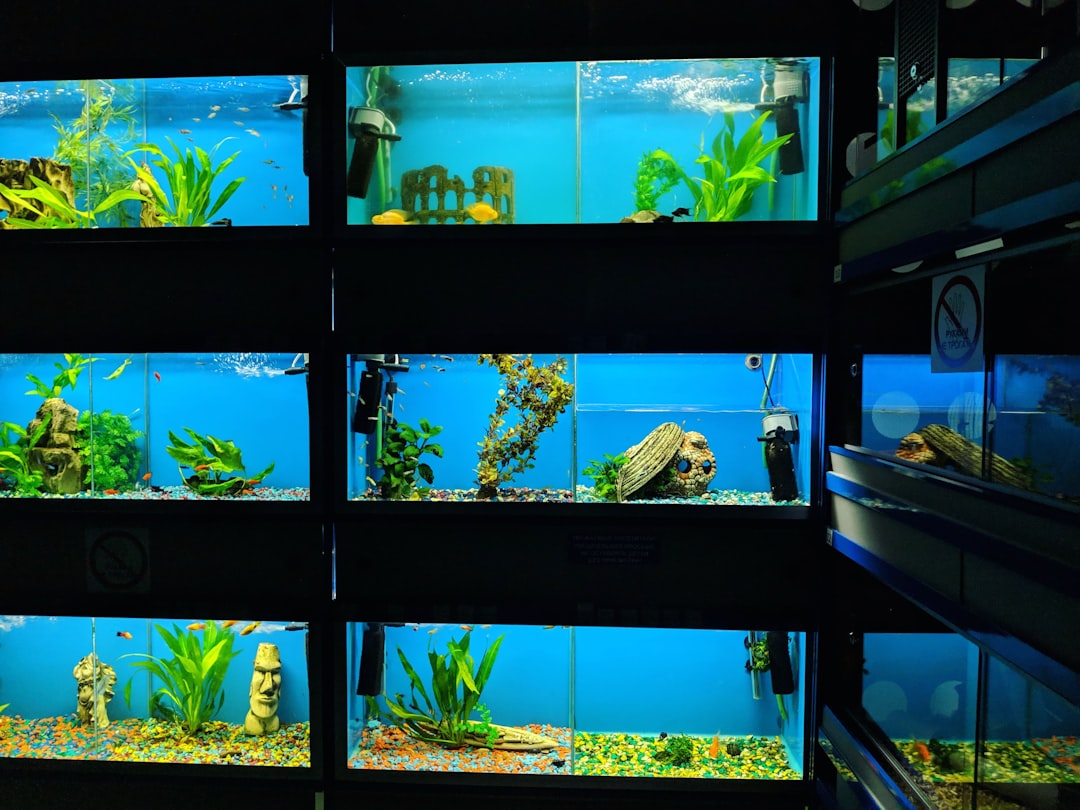
Selecting the best GH test kit aquarium hobbyists can trust is especially important in Singapore, where our naturally soft tap water means GH levels need careful monitoring for species that require harder conditions. At Gensou Aquascaping, 5 Everton Park, we test GH routinely on every freshwater project we manage and rely on accurate kits to keep our clients’ livestock healthy.
What Is GH and Why Does It Matter?
General hardness (GH) measures the concentration of dissolved calcium and magnesium ions in aquarium water, expressed in degrees of German hardness (dGH) or parts per million (ppm). One dGH equals approximately 17.9 ppm. GH directly affects fish health, shrimp moulting, plant nutrient uptake and overall biological processes. Livebearers, African cichlids and many snail species require moderate to high GH for strong shells, bones and scales. Soft-water species like neon tetras and Caridina shrimp need lower GH. Knowing your exact GH allows you to dose remineralisers or adjust water sources with confidence.
Liquid Drop Test Kits: The Gold Standard
Liquid titration kits remain the most accurate and widely used method for home GH testing. You fill a test tube with a measured amount of aquarium water, add drops of reagent one at a time and count the number of drops until the water changes colour. Each drop corresponds to 1 dGH. This method provides resolution to the nearest 1 dGH, which is sufficient for most freshwater applications. Liquid kits are affordable, reliable and require no batteries or calibration.
Top GH Test Kits Compared
The API GH and KH Test Kit is the most popular option in Singapore. It includes separate bottles for GH and KH testing, each containing enough reagent for approximately 75 tests. The colour change from orange to green is distinct and easy to read. Priced at SGD 12 to SGD 18, it offers excellent value and is stocked at virtually every aquarium shop on the island.
The Sera GH Test Kit is a German-made alternative with a reputation for precision. It uses a similar titration method with a colour change from red to green. The reagent bottle provides around 60 tests and costs SGD 10 to SGD 15. Some hobbyists prefer Sera for its slightly more pronounced colour transition, which makes the endpoint easier to identify under artificial lighting.
The JBL GH Test Set is another European option favoured by experienced aquascapers. It includes a comparator block that helps distinguish subtle colour changes, which is useful if you test under warm-toned LED lighting. Priced at SGD 12 to SGD 16, it delivers professional-grade accuracy at a hobbyist price.
The Salifert Freshwater GH Test Kit, while better known for marine testing products, offers a reliable freshwater GH test with clear instructions and a sharp colour change. At SGD 14 to SGD 20, it is slightly pricier but trusted by serious hobbyists who demand consistency.
Test Strips: Quick but Less Precise
GH test strips offer instant readings by dipping a strip into the water and comparing the colour pad to a chart. They are fast and convenient for a rough check, but accuracy is limited. Most strips resolve to ranges such as 0 to 4 dGH, 4 to 8 dGH and 8 to 12 dGH rather than giving an exact number. For shrimp keepers or anyone dosing remineralisers to a specific target, this level of imprecision is inadequate. Use strips for quick spot checks and rely on a liquid kit for definitive results.
Digital TDS Meters as a Proxy
Some hobbyists use a TDS (total dissolved solids) meter as a quick indicator of water hardness. While TDS and GH are correlated, they are not the same thing. TDS measures all dissolved solids, including sodium, potassium, nitrate and other compounds that do not contribute to GH. In a remineralised RO setup where you control exactly what goes into the water, TDS can serve as a useful proxy. In a tank running on tap water, TDS readings can be misleading. A TDS meter costs SGD 10 to SGD 15 and is a useful supplementary tool but should not replace a dedicated GH test kit.
How to Test GH Accurately
Follow these steps for the most reliable results with a liquid kit:
- Rinse the test tube with the water you are about to test to avoid contamination from previous samples.
- Fill the tube to the marked line with aquarium water. Most kits specify 5 ml.
- Hold the reagent bottle vertically and add drops one at a time, swirling gently after each drop.
- Count each drop carefully. The total number of drops to achieve the colour change equals your GH in dGH.
- Record the result and compare it with your target range for your specific species.
Test at the same time each week for consistency, ideally before a water change so you capture the tank’s baseline.
Ideal GH Ranges for Common Species
Understanding target ranges helps you interpret your test results:
- Neocaridina shrimp (cherry shrimp): 4 to 8 dGH.
- Caridina shrimp (CRS, CBS): 3 to 6 dGH.
- Tetras and rasboras: 2 to 10 dGH.
- Livebearers (guppies, mollies, platies): 8 to 15 dGH.
- African Rift Lake cichlids: 12 to 20 dGH.
Singapore tap water sits at 1 to 4 dGH, so most hobbyists keeping livebearers or cichlids will need to raise GH with crushed coral, remineralisers or mineral supplements.
Where to Buy and Final Recommendations
All the kits mentioned in this guide are available at aquarium shops across Singapore, including those at Clementi, Serangoon North and East Coast. They are also stocked on Shopee, Lazada and Carousell from local sellers. For most hobbyists, the API GH and KH Test Kit offers the best combination of accuracy, ease of use and value. Serious shrimp breeders may prefer the Sera or JBL kits for their slightly sharper colour transitions. Whichever kit you choose, test regularly and log your results. If you need help interpreting your readings or adjusting your water chemistry, the team at Gensou Aquascaping is always available to assist.
Related Reading



