
How to Attach Christmas Moss to Wood and Rock
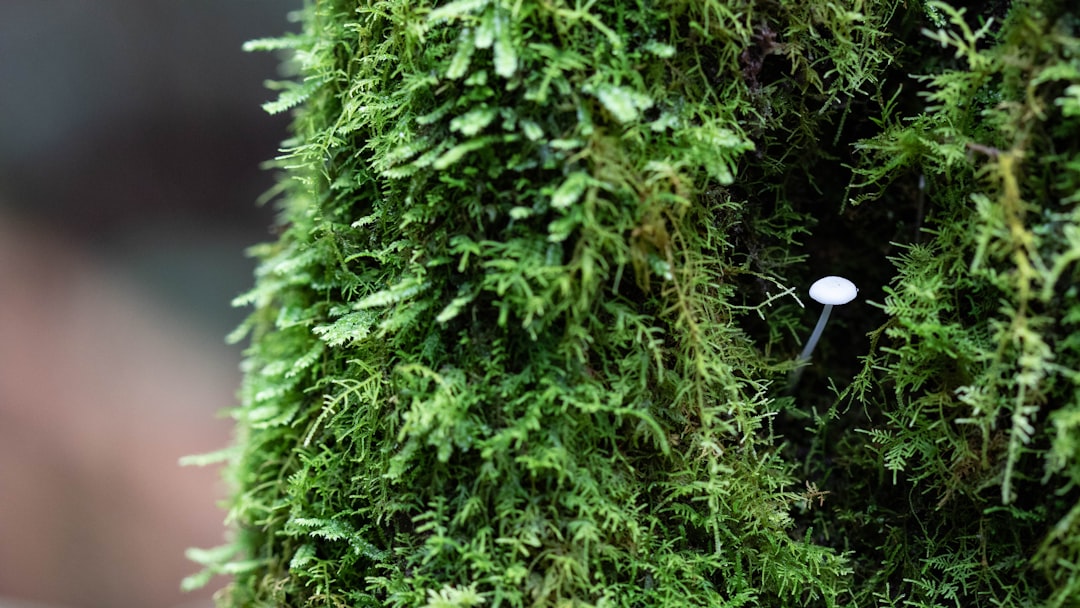
This christmas moss attachment guide walks you through the best methods for securing Vesicularia montagnei to driftwood and rock in your aquarium. At Gensou Aquascaping, located at 5 Everton Park, Singapore, we use Christmas moss extensively in our aquascapes and have refined these attachment techniques through years of hands-on experience.
Why Attach Christmas Moss
Christmas moss gets its common name from its triangular frond structure that resembles the branches of a Christmas tree when viewed from the side. Unlike many stem plants, mosses do not root into the substrate. Instead, they attach themselves to hard surfaces using tiny rhizoids over time. However, these rhizoids develop slowly, so the moss needs to be physically secured to hardscape until it grips on its own. Properly attached Christmas moss grows into lush, layered mats that add depth and naturalism to any aquascape. It also provides shelter for shrimp and fry, and surfaces for biofilm growth that feeds small invertebrates.
Preparing the Moss
Before attaching Christmas moss, preparation is essential. If the moss comes in a tissue culture cup, rinse it thoroughly under running water to remove the nutrient gel. For loose portions, inspect the moss carefully and remove any dead, brown material, debris or hitchhiker organisms like pest snails or algae. Gently pull the moss apart into thin, flat portions roughly 2 to 3 centimetres thick. Thinner layers attach more effectively and receive better light penetration, encouraging even growth. Overly thick clumps tend to brown and decay at the centre where light cannot reach.
Method One: Cotton Thread
Cotton thread is the most traditional and widely used attachment method. Lay thin portions of Christmas moss over the surface of the driftwood or rock, then wrap cotton thread around the piece in a criss-cross pattern to hold the moss in place. Space the wraps approximately 1 centimetre apart for secure coverage. Use dark-coloured thread that blends with the hardscape. Cotton thread biodegrades naturally within four to eight weeks, by which time the moss should have attached itself via rhizoids. This method works best on irregularly shaped driftwood where thread can grip into crevices and bark texture.
Method Two: Fishing Line
For a more permanent hold, use thin monofilament fishing line (2 to 4 pound test). The technique is identical to cotton thread: lay the moss flat against the surface and wrap the line around it securely. Unlike cotton, fishing line does not degrade, so it remains invisible once the moss grows over it. This is particularly useful on smooth rocks where moss takes longer to attach naturally. The downside is that if you ever need to remove the moss, the fishing line must be carefully cut away. Use clear monofilament for the least visible result.
Method Three: Cyanoacrylate Gel Glue
Aquarium-safe cyanoacrylate super glue in gel form offers the fastest attachment method. Apply small dots of gel glue directly to the hardscape surface, then press portions of Christmas moss firmly onto the glue. Hold for 10 to 15 seconds until the glue sets. The gel formula is critical; liquid super glue runs off surfaces and is difficult to control. Cyanoacrylate cures instantly upon contact with water and is non-toxic once set. This method works exceptionally well on smooth stones and flat driftwood surfaces where thread or line would slip. However, use glue sparingly, as excessive application can create white patches that take time to be overgrown.
Method Four: Stainless Steel Mesh
For covering large, flat surfaces like rocks or flat driftwood, stainless steel mesh provides excellent results. Cut a piece of food-grade stainless steel mesh slightly larger than the surface you wish to cover. Lay a thin, even layer of Christmas moss on the surface, place the mesh over it and secure the edges with fishing line, zip ties or small stainless steel pins. The mesh holds the moss flat and evenly distributed, promoting uniform growth. Over the following weeks, the moss grows through the mesh and conceals it entirely. This technique is popular in Singapore among aquascapers creating moss walls or covering large stone features.
Care After Attachment
Once attached, Christmas moss requires moderate light of 30 to 60 micromoles of PAR and benefits from CO2 injection, though it grows adequately without it. Maintain water temperatures between 22 and 28 degrees Celsius. In Singapore, where temperatures can push higher during warmer months, a cooling fan helps keep the moss healthy. Trim the moss regularly once it establishes, cutting back overgrowth to maintain the desired shape and prevent the lower layers from dying off due to light deprivation. Use sharp scissors and remove all trimmings from the tank to prevent loose fragments from attaching in unwanted locations.
Troubleshooting Common Problems
Browning at the base of the moss indicates insufficient light reaching the lower layers. Thin out the moss and trim it shorter. Detachment usually means the initial securing was too loose or the surface was too smooth for natural rhizoid grip; reattach using a combination of methods. Algae growth, particularly hair algae or black beard algae on the moss, is best addressed by improving CO2 levels and nutrient balance rather than manual removal, which damages the moss. Spot-treat persistent algae with diluted hydrogen peroxide applied via syringe during a water change.
Final Tips from Gensou Aquascaping
Patience is the key to beautiful Christmas moss attachments. Allow four to six weeks for the moss to fully grip the hardscape and begin producing new growth in its characteristic triangular pattern. Avoid repositioning or adjusting the moss during this period. For the best results in Singapore’s climate, combine attachment with stable water parameters and consistent maintenance. Visit Gensou Aquascaping at 5 Everton Park for hands-on advice and quality Christmas moss sourced from reliable growers. A well-attached moss feature transforms an aquascape, adding texture and natural beauty that improves with age.
Related Reading
- How to Attach Flame Moss: Upward Growth on Wood and Rock
- Mini Christmas Moss Care Guide: Finer Texture for Detail Work
- Fissidens Moss Care Guide: Phoenix Moss for Aquascaping Detail
- Flame Moss Care Guide: Upward Growth for Unique Aquascapes
- How to Create a Flame Moss Carpet: Vertical Growth on Flat Surfaces



