
Christmas Moss Care Guide: Triangular Fronds for Aquascaping
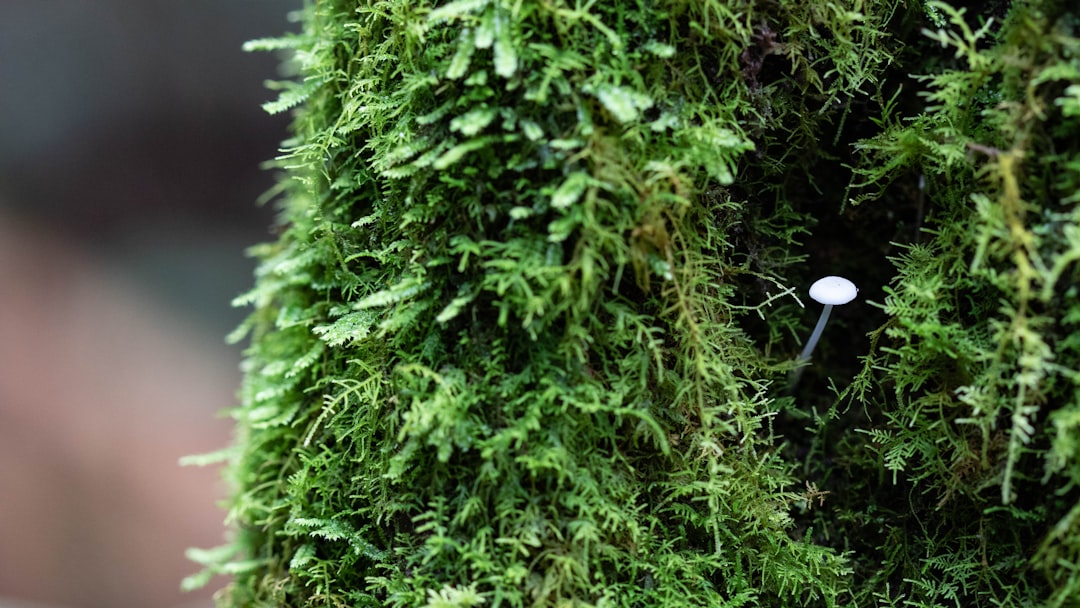
Table of Contents
- What Is Christmas Moss?
- The Distinctive Triangular Branching Pattern
- Methods for Attaching Christmas Moss
- Light and CO2 Requirements
- Trimming and Maintenance
- Aquascaping Uses
- Christmas Moss vs Java Moss
- Singapore-Specific Tips
- Frequently Asked Questions
What Is Christmas Moss?
Christmas moss (Vesicularia montagnei) is an aquatic moss prized by aquascapers for its highly structured, triangular branching pattern. Native to tropical Asia, including parts of Southeast Asia, it is named for its resemblance to a miniature Christmas tree: each frond produces lateral branches that grow progressively shorter toward the tip, creating a distinct triangular or conical silhouette. This guide sits inside our broader Planted Tank Complete Hub reference.
Among the many mosses available to aquascapers, Christmas moss occupies a middle ground between the wild, unruly growth of Java moss and the demanding precision of rarer species like mini Pellia. It offers more visual structure than Java moss while remaining reasonably easy to grow, making it a favourite for hobbyists who want their moss to look intentional rather than chaotic.
The Distinctive Triangular Branching Pattern
The defining characteristic of Christmas moss is its layered, Christmas-tree-like frond structure. Each main stem produces side branches in an alternating pattern, with the lowest branches being the longest and each successive branch growing slightly shorter. The overall effect, when viewed from the side, is a series of overlapping triangles.
This structured growth pattern sets Christmas moss apart from Java moss, which grows in a more random, tangled manner. The result is a neater, more orderly appearance that works particularly well in carefully designed aquascapes where every element is placed with intention.
The colour ranges from medium green to bright green depending on light levels and nutrient availability. Under moderate to high light with good nutrition, Christmas moss produces vibrant, healthy-looking fronds that photograph beautifully, which is one reason it appears so frequently in competition aquascapes.
Methods for Attaching Christmas Moss
Like all aquatic mosses, Christmas moss does not root into substrate. Instead, it attaches itself to hard surfaces through tiny rhizoids. You need to secure the moss to your chosen surface initially, and over time it grips on its own.
Cotton Thread
The classic method. Wrap thin cotton thread around the moss and its anchor (rock, driftwood, mesh). The thread holds the moss in place while it naturally attaches. Over several weeks, the cotton biodegrades and disappears, leaving the moss securely attached. Use dark-coloured thread to make it less visible during the attachment period.
Fishing Line
Monofilament fishing line works identically to cotton thread but does not biodegrade. This is a disadvantage aesthetically (the line remains visible if the moss does not grow over it) but an advantage for long-term security, especially in high-flow areas where the moss might detach before cotton thread has served its purpose.
Super Glue (Cyanoacrylate)
Gel-type super glue is a fast, effective method for attaching moss to hardscape. Apply small dots of gel super glue to the rock or wood, press the moss onto the glue, and hold for 10 to 15 seconds. The glue cures instantly upon contact with water and is aquarium-safe once cured. This method is ideal for precise placement and works well on vertical or overhead surfaces where thread would be impractical.
Stainless Steel Mesh
For moss walls and carpets, sandwich Christmas moss between two layers of stainless steel mesh, securing the edges with fishing line or cable ties. Attach the mesh flat against the back glass or a piece of hardscape. The moss grows through the mesh openings, eventually hiding the hardware behind a lush green wall.
Light and CO2 Requirements
Christmas moss is adaptable but responds noticeably to improved conditions.
| Condition | Growth | Appearance |
|---|---|---|
| Low light, no CO2 | Slow | Darker green, looser structure, less defined triangular pattern |
| Medium light, no CO2 | Moderate | Good colour, decent structure, the triangular pattern becomes visible |
| Medium-high light + CO2 | Moderate-fast | Bright green, tight structure, highly defined triangular fronds |
The triangular branching pattern, which is the whole point of choosing Christmas moss over Java moss, develops best under medium to high light with CO2 injection. Under low light, the moss still grows but loses much of its distinctive structure, becoming more similar to generic moss in appearance.
CO2 is not essential for survival but makes a significant difference to growth rate and form. If you are investing in Christmas moss specifically for its structured appearance, CO2 injection is strongly recommended.
Trimming and Maintenance
Christmas moss grows more slowly than Java moss, which means less frequent trimming but also longer establishment times. Expect to wait four to eight weeks for a newly attached piece of Christmas moss to show significant new growth.
How to Trim
- Use sharp scissors to cut the moss back to two to three centimetres from the attachment surface
- Trim from above, cutting horizontally to maintain an even surface
- Remove all trimmings from the tank immediately, as loose moss fragments will attach to other surfaces and grow where you do not want them
- Trim every four to six weeks, or more frequently in high-light, high-CO2 setups
The key to maintaining Christmas moss’s structured appearance is regular, even trimming. If left to grow unchecked, the outer layers shade the inner growth, which then dies and detaches, causing the entire moss cushion to fall apart. By keeping the moss trimmed to a consistent thickness, you allow light to penetrate to the base, keeping the entire structure healthy and attached.
Aquascaping Uses
Christmas moss is one of the most versatile plants in aquascaping, limited only by your creativity. Here are the most common applications.
Moss Trees
Perhaps the most iconic use. Attach Christmas moss to the branching tips of a piece of driftwood to create a miniature tree. The triangular frond structure mimics the shape of conifer branches, making the illusion remarkably convincing. This technique is a staple of Nature Aquarium and diorama-style layouts.
Moss Walls
Using the stainless steel mesh method, Christmas moss can be grown as a living wall on the back glass of the tank. This creates a striking green backdrop that softens the artificial look of a painted or opaque background. Allow six to eight weeks for the moss to fully cover the mesh.
Moss Carpets
Attach Christmas moss to a flat piece of mesh or slate and place it on the substrate to create a moss carpet. This works well in low-tech tanks where traditional carpet plants would struggle. The result is a lush, textured ground cover that suits natural, forest-floor-style aquascapes.
Hardscape Accents
Small patches of Christmas moss attached to rock joints, crevices, and driftwood bases add a sense of age and naturalism to any hardscape arrangement. This is one of the simplest yet most effective ways to make a new aquascape look as though it has been established for years.
Christmas Moss vs Java Moss
Java moss (Taxiphyllum barbieri) is the most widely available aquatic moss and the one most beginners encounter first. It is an excellent plant, but Christmas moss offers distinct advantages for aquascaping. You can read our detailed Java moss guide for more on that species.
| Factor | Christmas Moss | Java Moss |
|---|---|---|
| Growth pattern | Structured, triangular fronds | Random, tangled |
| Growth rate | Slow to moderate | Fast |
| Neatness | Orderly when trimmed | Can look messy without frequent grooming |
| Light demand | Low to medium-high | Very low to medium |
| CO2 benefit | Significant improvement | Modest improvement |
| Availability | Common in specialist shops | Ubiquitous |
| Price | Moderately higher | Cheap |
| Best for | Structured aquascaping | General use, breeding tanks |
The choice depends on your goals. For a carefully designed aquascape where the moss is a featured element, Christmas moss is worth the slight additional cost and slower growth. For utility purposes (fry cover, biofilm surface, filling gaps), Java moss is more practical and forgiving.
Singapore-Specific Tips
Christmas moss grows well in Singapore’s tropical conditions. It tolerates the warm ambient temperatures of 28 to 32 degrees Celsius, though it grows somewhat slower in warmer water compared to a cooled tank at 24 to 26 degrees. This is not necessarily a disadvantage, as slower growth means less trimming.
PUB-treated tap water must be dechlorinated as usual. Singapore’s soft, slightly acidic tap water suits mosses well. Christmas moss is not fussy about water hardness or pH within the normal range you would encounter in a typical Singapore setup.
One challenge in Singapore is algae growth on moss surfaces, particularly in tanks near windows or in non-air-conditioned rooms where warm water promotes algae. If you notice algae growing on your Christmas moss, reduce the photoperiod, ensure CO2 levels are adequate (if running CO2), and add algae grazers. Amano shrimp and small Neocaridina shrimp are effective at picking algae from moss without damaging the moss itself.
For HDB and condo hobbyists with limited space, Christmas moss is efficient because it grows on existing hardscape rather than requiring additional substrate real estate. A single piece of driftwood with Christmas moss attached can serve as both the centrepiece of a nano tank and a functional surface for shrimp grazing.
Frequently Asked Questions
How long does Christmas moss take to attach to wood or rock?
Christmas moss typically attaches naturally within three to four weeks if the surface is textured and the moss is held firmly in place during this period. Smooth surfaces like river stones may take longer. Using super glue provides instant attachment, while cotton thread and fishing line hold the moss in place until natural rhizoid attachment occurs.
Why is my Christmas moss turning brown?
Browning usually indicates that inner layers are dying from lack of light. This happens when the moss cushion grows too thick and the outer layers shade the base. Trim the moss back to expose the inner growth to light. If the entire moss, including the tips, is browning, check for water quality issues (high ammonia or nitrite) or excessive heat (above 30 degrees for prolonged periods).
Can I grow Christmas moss as a carpet without mesh?
You can, but the results are less reliable. Without mesh, Christmas moss placed on the substrate tends to shift with water flow and never fully anchors itself to a flat surface the way it attaches to textured hardscape. Small pieces may float away during water changes. Mesh provides a secure anchor point and keeps the moss in a flat, carpet-like orientation.
Is Christmas moss safe for shrimp?
Christmas moss is excellent for shrimp tanks. The dense frond structure provides shelter for adult shrimp and hiding spots for shrimplets, while the moss surface develops biofilm that shrimp graze on continuously. It is one of the most commonly used plants in both Neocaridina and Caridina breeding setups across Singapore.
Get Christmas Moss for Your Aquascape
Christmas moss adds structure, texture and naturalism to any aquarium layout. Whether you are building a moss tree, a living wall, or simply accenting your hardscape, this versatile moss delivers a more refined look than its Java moss cousin. Visit Gensou at 5 Everton Park, Singapore for healthy Christmas moss portions and expert advice on attachment techniques and placement. With over 20 years of aquascaping experience, our team can help you incorporate moss into your layout for maximum visual impact. Read our Java moss guide for a comparison, or explore our flame moss care guide for another distinctive moss option.
Related Reading



