
How to Aquascape a Quarantine Tank: Minimal but Comfortable
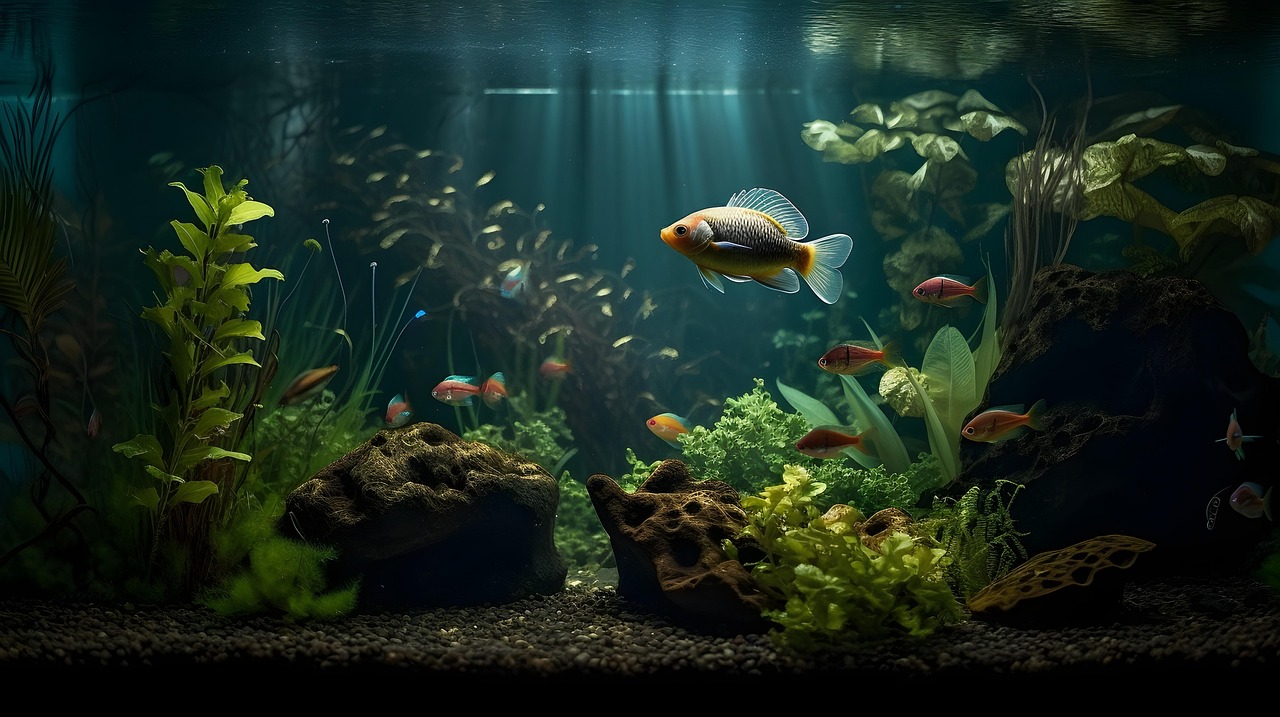
A quarantine tank does not have to be a depressing bare box. This aquascape quarantine tank guide shows you how to create a minimal setup that keeps sick or new fish comfortable while remaining easy to medicate and maintain. At Gensou Aquascaping, located at 5 Everton Park in Singapore, we maintain a dedicated quarantine system and know that stressed fish recover faster in a thoughtfully arranged environment.
Why Every Hobbyist Needs a Quarantine Tank
A quarantine tank serves two critical purposes: isolating new fish for two to four weeks before they enter your display tank, and providing a treatment space for sick fish without medicating the entire main system. Introducing fish directly into an established aquascape risks parasites, bacterial infections and viruses spreading to your healthy stock. In Singapore, where fish are often imported from farms across Southeast Asia, quarantine is especially important as livestock may carry pathogens adapted to different water conditions. The cost of a basic quarantine setup is far less than the potential loss of an entire tank’s livestock.
Tank Size and Placement
A 20 to 40-litre tank suits most quarantine purposes for small to medium fish. Larger fish or groups may need 60 litres or more. Choose a simple rimless or rimmed glass tank; this is not the place for an expensive display-grade aquarium. In Singapore, basic tanks in this size range cost SGD 15 to SGD 50 from shops along Sims Avenue or online platforms. Place the tank in a quiet location away from heavy foot traffic, as stressed and recovering fish need calm surroundings. A shelf in a utility room, under a desk or on a sturdy side table works well.
Keeping the Bottom Bare but Not Bleak
A bare bottom is the standard recommendation for quarantine tanks because it makes cleaning easy and allows you to monitor waste output and spot signs of disease in droppings. However, many fish find bare glass stressful, especially species accustomed to dark substrates. A thin layer of fine sand, no more than half a centimetre, provides a natural feel without significantly complicating maintenance. Alternatively, a dark aquarium mat or background film on the bottom panel reduces reflections that disorient fish. If you use sand, choose inert silica sand that will not alter water chemistry or interact with medications.
Plants That Survive Medication
Most aquarium medications, particularly copper-based treatments and antibiotics, damage or kill live plants. For this reason, many hobbyists avoid plants entirely in quarantine. However, if your quarantine routine does not always involve medication, a few hardy plants improve the fish’s sense of security. Floating plants like Amazon frogbit and water lettuce provide shade and cover without being rooted in the substrate. They can be removed quickly before dosing medication. Java moss attached to a small stone offers hiding spots and can be discarded cheaply if medication exposure ruins it. Pothos cuttings with roots dangling into the water are an excellent option, as the plant sits above the waterline and is unaffected by most medications while absorbing nitrate from the water.
Hardscape and Hiding Spots
Stressed fish need somewhere to hide. PVC pipe sections, ceramic tubes and terracotta pots provide shelter and are easy to sterilise between uses. For a more natural look, a single piece of driftwood or a smooth stone offers a resting spot and some visual interest. Avoid porous materials like lava rock that absorb medication and release it unpredictably in future cycles. Keep decorations minimal so you can catch fish easily when needed and maintain clear sight lines for daily health inspections. Two or three items are sufficient for a 30-litre quarantine tank.
Filtration Without Activated Carbon
A sponge filter is the ideal quarantine filter. It provides biological and mechanical filtration with gentle flow, poses no risk to weakened fish and is easy to seed with beneficial bacteria by running it in your main tank between quarantine uses. Crucially, sponge filters do not contain activated carbon, which would strip medication from the water. If you use a hang-on-back or internal filter, remove any carbon media before dosing treatments. Keep a spare sponge filter colonising in your main tank’s sump or canister at all times so it is ready to go when quarantine is needed. A basic sponge filter and air pump together cost under SGD 30 in Singapore.
Water Quality and Temperature
Match the quarantine tank’s temperature and pH to your display tank to minimise stress during transfer. In Singapore, ambient room temperature usually keeps the water between 27 and 30 degrees, which suits most tropical species without a heater. If you need to raise the temperature for treating white spot, a small adjustable heater at around SGD 15 to SGD 25 does the job. Perform daily water changes of 20 to 30 per cent during medication cycles to keep water quality stable and dilute waste. Test ammonia and nitrite every other day, as the smaller volume and potential bacterial disruption from medication can cause spikes.
Making Quarantine Less of a Chore
The biggest barrier to consistent quarantine is the inconvenience of maintaining an ugly, uninspiring tank. By adding a few simple touches, a floating plant canopy, a piece of driftwood and a clean background, your quarantine setup becomes something you do not mind looking at. Store the tank dry between uses if space is limited, keeping the sponge filter colonising in your main system and the hardscape on a shelf. When a new fish arrives or a health issue arises, you can set up a functional and comfortable quarantine environment in under ten minutes. Visit Gensou Aquascaping at 5 Everton Park for quarantine tank setup advice and fish health consultations.
Related Reading



