
How to Attach Flame Moss: Upward Growth on Wood and Rock
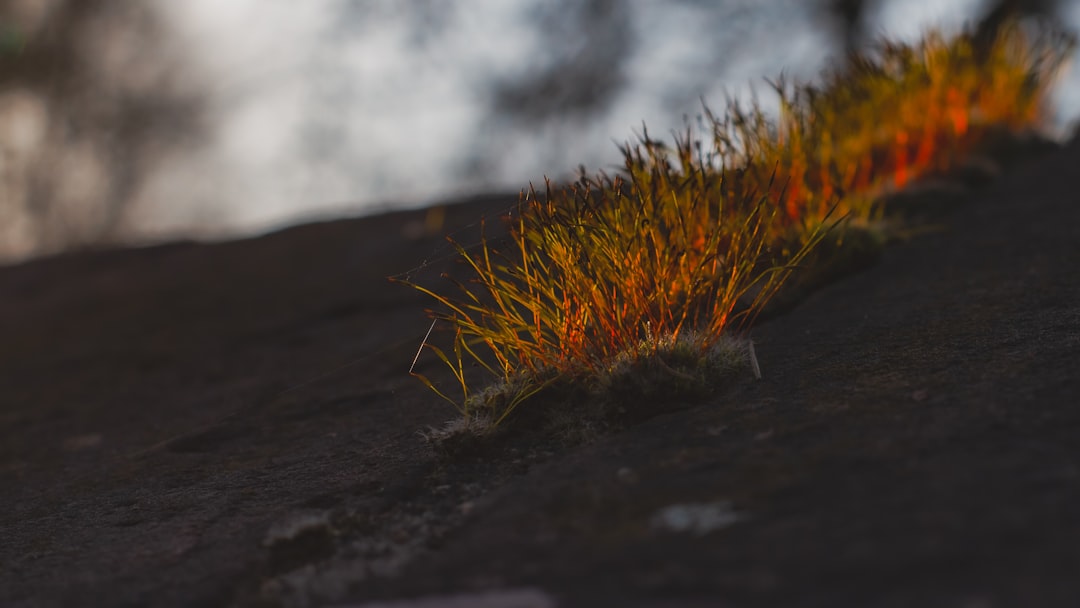
Flame Moss (Taxiphyllum sp. ‘Flame’) is one of the few aquarium mosses that grows upward rather than creeping horizontally, producing a distinctive flickering effect that resembles tiny green flames. Getting it to attach properly to hardscape is the first challenge — and the one that determines whether your moss thrives or floats away piece by piece. This flame moss attachment guide from Gensou Aquascaping at 5 Everton Park, Singapore, covers the proven methods to secure this unique moss to wood and rock.
Why Flame Moss Needs Proper Attachment
Unlike Java Moss, which grips almost any surface within weeks, Flame Moss attaches slowly and somewhat reluctantly. Its rhizoids (root-like structures) take four to eight weeks to establish a firm hold on hardscape. During this period, any moss that is not securely fastened will detach and drift, clogging filters and creating a mess. Investing a few extra minutes in proper attachment saves weeks of frustration.
Preparing Your Hardscape
Clean driftwood and rocks before attaching moss. Boil driftwood for 30 minutes to remove tannins and debris, then let it cool completely. Scrub rocks with a stiff brush under running water — no soap or chemicals. Rough, porous surfaces like lava rock, dragon stone and textured driftwood offer the best grip for rhizoid attachment.
Smooth surfaces such as seiryu stone are more challenging. Score the surface lightly with coarse sandpaper to create micro-grooves where rhizoids can anchor.
Method One: Cotton Thread
Cotton thread remains the most popular attachment method and works reliably with Flame Moss. Spread a thin, even layer of moss over the desired area — avoid piling it too thick, as the inner portions will die from lack of light. Wrap the thread snugly around the moss and hardscape in a criss-cross pattern, spacing wraps about 5–8 mm apart.
Cotton thread biodegrades in water over four to six weeks — by which time the moss should be attached independently. Use dark green or brown thread that blends with the hardscape. Avoid nylon fishing line, which never degrades and can cut into growing moss over time.
Method Two: Super Glue (Cyanoacrylate)
Gel-type super glue is fast and effective, especially for attaching small portions of moss to specific spots on driftwood. Apply a thin line of gel to the dry hardscape, press a small clump of moss firmly into the glue, and hold for 10–15 seconds. Cyanoacrylate is aquarium-safe once cured — it polymerises on contact with moisture and becomes inert within seconds.
Work outside the tank on dry hardscape for the cleanest results. The key is using small amounts: too much glue creates a white residue that takes weeks to fade. Gel formula (not liquid) gives you the working time to position the moss precisely. Brands available at most hardware stores in Singapore for under $3 work identically to specialty “aquascaping glue” sold at a premium.
Method Three: Stainless Steel Mesh
For covering larger flat surfaces — driftwood planks, slate pieces or background panels — stainless steel mesh provides excellent results. Sandwich a layer of Flame Moss between the hardscape surface and a piece of fine stainless steel mesh (304 grade), securing the mesh edges with super glue or small cable ties. The moss grows through the mesh openings, eventually concealing it entirely.
This method is particularly effective on vertical surfaces where thread and glue struggle with gravity. Ensure the mesh is genuinely stainless steel (grade 304 or 316) — lower-quality mesh rusts and leaches harmful metals.
Placement Tips for Best Effect
Flame Moss grows upward, so placement on horizontal or gently sloping surfaces produces the most dramatic flame effect. Position clusters on top of driftwood branches, on rock ledges, or at the base of hardscape where the upward growth draws the eye naturally. Vertical surfaces work but reduce the visual impact, as fronds tend to grow outward at an angle.
Moderate lighting and gentle water flow encourage the tightest, most vertical growth. In CO2-injected tanks, growth accelerates noticeably — expect visible development within three weeks.
Post-Attachment Care
Avoid disturbing newly attached moss for at least four weeks. Resist the temptation to adjust or reposition — every touch risks breaking fragile rhizoid connections. Keep the tank environment stable: temperature of 22–28 °C, pH of 6.0–7.5, and moderate lighting. Singapore’s ambient warmth suits Flame Moss well, though extreme heat above 30 °C can slow growth.
Once established, trim with sharp scissors by cutting the tips to encourage denser lateral growth. Removed trimmings can be reattached elsewhere using any of the methods above — Flame Moss propagates readily from fragments.
Keeping It Clean
Algae on Flame Moss is the bane of many aquascapers. Thread algae and hair algae weave into the fronds and are nearly impossible to remove manually without pulling the moss off. Prevention is critical: maintain stable CO2 levels, dose nutrients consistently, and keep a clean-up crew of Amano Shrimp (Caridina multidentata) — five or six per 60 litres is a reliable stocking level. For advice on moss aquascaping and hardscape preparation in Singapore, the Gensou Aquascaping team is always glad to help.
Related Reading
- How to Attach Christmas Moss to Wood and Rock
- How to Create a Flame Moss Carpet: Vertical Growth on Flat Surfaces
- Christmas Moss Care Guide: Triangular Fronds for Aquascaping
- Fissidens Moss Care Guide: Phoenix Moss for Aquascaping Detail
- How to Attach Moss to Driftwood: Glue, Thread and Mesh Methods



