
Gill Flukes in Aquarium Fish: Symptoms and Treatment
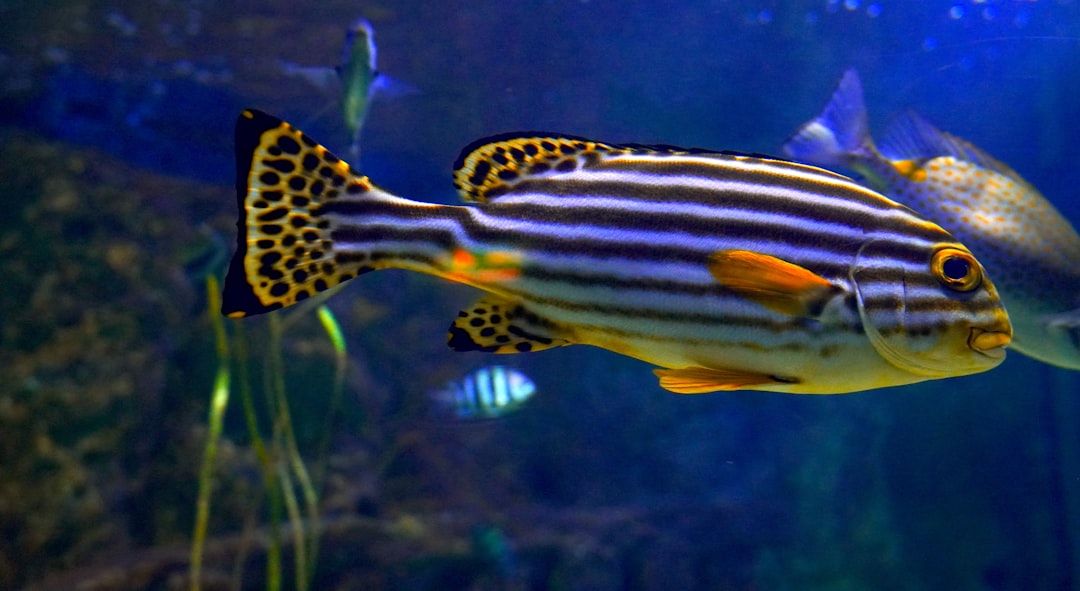
Few parasites are as quietly devastating as gill flukes, microscopic flatworms that latch onto delicate gill tissue and slowly suffocate your fish from the inside. Early gill flukes aquarium fish treatment can mean the difference between a full recovery and losing an entire stock. At Gensou Aquascaping in Singapore, we have dealt with fluke outbreaks across community tanks, breeding setups, and ponds over more than 20 years, and the lesson is always the same: act fast, dose correctly, and prevent re-infection.
What Are Gill Flukes?
Gill flukes belong to the genus Dactylogyrus, a group of monogenean trematodes roughly 0.3-1.0 mm in length. They attach to the gill filaments using tiny hooks, feeding on mucus and blood. Unlike Gyrodactylus skin flukes, Dactylogyrus species are egg-layers, which affects treatment timing because you need to target newly hatched larvae as well as adults.
A single adult fluke can produce hundreds of eggs that sink to the substrate and hatch within 24-72 hours at Singapore’s typical 28-30 °C water temperature. That rapid lifecycle means a mild infection can explode into a serious infestation within a week if untreated.
Recognising the Symptoms
Infected fish often gasp at the surface or hover near filter outlets where oxygen is highest. You may notice rapid opercular movement — the gill covers flapping noticeably faster than normal. Other telltale signs include flashing (rubbing against hardscape), clamped fins, loss of appetite, and a thin film of excess mucus visible on the gills when you gently lift the operculum.
In severe cases, gills appear pale or mottled rather than their usual healthy red. Secondary bacterial infections can set in quickly, turning the gills brownish or producing a foul smell. If multiple fish display these signs simultaneously, flukes should be high on your list of suspects.
Confirming the Diagnosis
A gill scrape examined under a basic microscope at 40-100x magnification is the gold standard. You will see translucent, worm-like organisms with visible eye spots and the characteristic opisthaptor (the hook-bearing attachment disc at the rear). If you lack a microscope, a jeweller’s loupe at 10x can sometimes reveal adult flukes on a fresh gill biopsy. Many hobbyists in Singapore skip this step and treat based on symptoms alone, which is reasonable if the clinical signs are clear, but a scrape removes all guesswork.
Effective Medications
Praziquantel is the most targeted and fish-safe treatment for gill flukes. Dose at 2-5 mg per litre, depending on the product concentration. In Singapore, praziquantel-based treatments are available at aquarium shops along Serangoon North Avenue 1 and online via Shopee or Lazada, typically priced between $12 and $25 for enough to treat 200-500 litres.
Because Dactylogyrus eggs are resistant to medication, a second dose is essential. Repeat the treatment after 5-7 days to catch larvae that hatched after the first round. Some hobbyists prefer a triple-dose schedule at days 1, 7, and 14 for stubborn infestations. Formalin-malachite green combinations also work but are harsher on sensitive species and plants, so reserve them for fish-only setups or quarantine tanks.
Treatment Steps
Start by performing a 30-40 % water change with dechlorinated water — PUB tap water treated with a good conditioner works fine. Remove activated carbon from your filter, as it will absorb the medication. Increase surface agitation or add an air stone, because gill-compromised fish need every bit of extra dissolved oxygen you can provide.
Dose praziquantel according to the product label and keep lights dimmed to reduce fish stress. Maintain normal feeding but remove uneaten food promptly. After 24 hours, do a 25 % water change, then redose on day 7. Monitor ammonia and nitrite levels throughout, since the die-off of flukes can cause a minor biofilter hiccup in smaller tanks.
Preventing Re-Infection
Quarantine every new fish for at least two weeks before adding it to your display tank — this single habit prevents the vast majority of fluke introductions. A simple 40-litre quarantine tub with a sponge filter costs under $50 in Singapore and pays for itself many times over. Prophylactic praziquantel treatment during quarantine is standard practice among experienced breeders.
Avoid overcrowding, maintain stable water parameters, and keep stress low. Stressed, immunocompromised fish are far more vulnerable to heavy parasite loads. Regular gravel vacuuming also helps by removing fluke eggs from the substrate before they hatch.
Species Sensitivity Notes
Scaleless fish such as loaches and certain catfish can be more sensitive to formalin-based treatments, so praziquantel remains the safer choice. Shrimp and snails tolerate praziquantel well at standard doses, making it suitable for community tanks. However, planaria-killing products that contain fenbendazole should not be confused with fluke treatments — they target different organisms and may not address gill flukes effectively.
When to Seek Professional Help
If a treated fish shows no improvement after two full treatment cycles, or if you notice gill tissue erosion and secondary fungal growth, consider consulting an aquatic veterinarian. In Singapore, a few vet clinics handle ornamental fish cases. Persistent gill flukes aquarium fish treatment failures sometimes indicate mixed infections — flukes combined with bacterial gill disease — which require a combined medication approach. Catching flukes early keeps treatment simple, affordable, and overwhelmingly successful.
Related Reading



