
How to Fix Green Dust Algae: The Film That Coats Everything
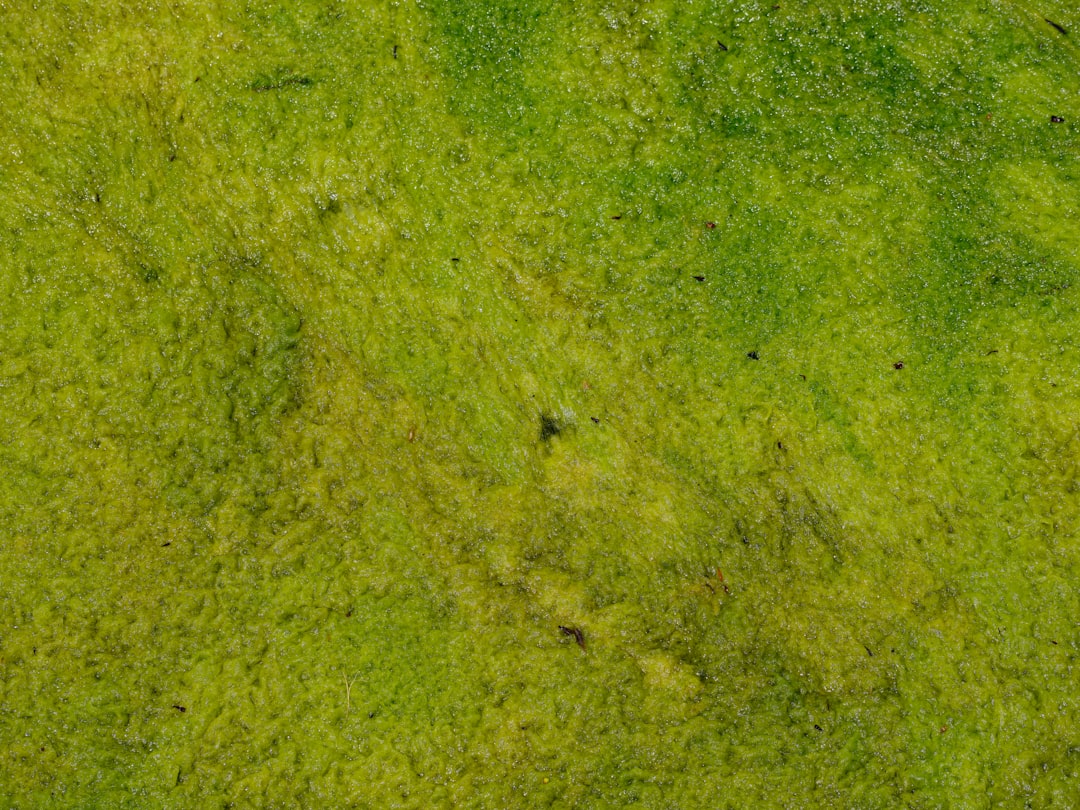
You wake up one morning to find your aquarium glass coated in a fine green film that was not there the day before. Wiping it off only buys you a few hours of clarity before it returns. Welcome to Green Dust Algae — one of the most frustrating and misunderstood algae types in the planted tank hobby. This guide from Gensou Aquascaping at 5 Everton Park, Singapore, explains how to fix green dust algae in your aquarium using both the patient approach and the active guidelines that get your glass sparkling again. This guide sits inside our broader Planted Tank Complete Hub reference.
What Is Green Dust Algae?
Green Dust Algae (GDA) is a biofilm of motile zoospores — microscopic algae cells that settle on glass, hardscape and occasionally slow-growing plant leaves. Unlike Green Spot Algae, which forms hard dots that require a razor blade to remove, GDA is a soft, powdery film that wipes off easily with a finger. The catch: it reappears within hours because wiping releases zoospores back into the water column, where they resettle everywhere.
GDA is most common in newly set up tanks, tanks with recent parameter changes, or tanks that have just completed a major rescape. It tends to peak and then fade on its own — but that natural cycle can take four to six weeks, which is an eternity when you cannot see your fish.
The Wait-It-Out Method
The most proven strategy for GDA is, counterintuitively, to do nothing. Allow the algae to complete its life cycle undisturbed. Do not wipe the glass. Do not perform extra water changes specifically to remove it. Continue your regular maintenance, CO2 injection and fertilisation as normal, but leave the film alone.
Over three to four weeks, the zoospores complete their reproductive cycle. The film thickens, turns deeper green, then detaches from the glass in sheets. At this point, perform a thorough glass cleaning and a large 50 % water change to remove free-floating zoospores. Most hobbyists find the GDA does not return after this single resolved cycle.
Why Wiping Makes It Worse
Every time you scrape GDA off the glass, you release millions of zoospores into the water column. These settle on fresh surfaces within hours, perpetuating the cycle indefinitely. Think of it as mowing dandelions that have gone to seed — you spread the problem rather than solving it. Patience, uncomfortable as it is, breaks the cycle far more effectively than daily cleaning.
Active Intervention Methods
If four weeks of green glass is genuinely unbearable — and in a display tank or shopfront aquarium, that is understandable — there are active strategies that can accelerate resolution. A UV steriliser rated for your tank volume kills free-floating zoospores as they pass through, preventing resettlement after each natural detachment event. Run it continuously for two to three weeks alongside the wait-it-out approach for faster results.
Reducing the photoperiod to 5–6 hours temporarily limits the light energy GDA needs to reproduce. Combine this with a brief three-day blackout (tank fully covered, no light at all) after the initial wait-it-out period ends. Plants tolerate a short blackout far better than algae does.
Nutrient Balance Check
GDA outbreaks often correlate with excess light relative to CO2 and nutrient availability. If your lighting has recently been upgraded or your photoperiod extended, dial it back. Ensure CO2 is stable at 25–30 ppm throughout the entire light period — drops in the afternoon, when lights are still on but CO2 has been turned off early, create ideal conditions for GDA.
Check phosphate levels. Some hobbyists report that maintaining phosphate at 1–2 ppm reduces GDA recurrence, though the evidence is anecdotal. What is well established is that overall nutrient stability — no sudden spikes or crashes — discourages most algae types including GDA.
Biological Control
Nerite Snails are the most effective biological control for GDA — their rasping radula scrapes the biofilm off glass and hardscape efficiently. Three to four Nerites in a 100-litre tank make a noticeable difference. Amano Shrimp contribute modestly by grazing GDA off plant leaves. In Singapore, Nerite Snails are readily available for $2–$4 each at most aquarium shops.
Prevention After Resolution
Once GDA has cleared, maintain the conditions that resolved it. Keep lighting consistent — use a timer, never manual switching. Run CO2 for the full photoperiod plus one hour before lights on. Perform regular weekly water changes of 25–30 % and avoid major parameter swings from sudden rescape work or substrate disturbance.
If you are setting up a new tank, expect a mild GDA phase during the first two months as the system matures. It is normal and self-limiting in a well-managed tank.
Patience Is the Strategy
Green Dust Algae tests your resolve more than your skill. The biology is straightforward — let the cycle complete, clean up once, and move on. Resist the urge to wage daily war on the glass, and you will come out the other side with a cleaner tank and a valuable lesson in aquarium patience. For ongoing algae management advice, the team at Gensou Aquascaping brings over 20 years of planted tank experience to every consultation.
Related Reading



