
How to Create a Java Moss Carpet: Mesh Method Step by Step
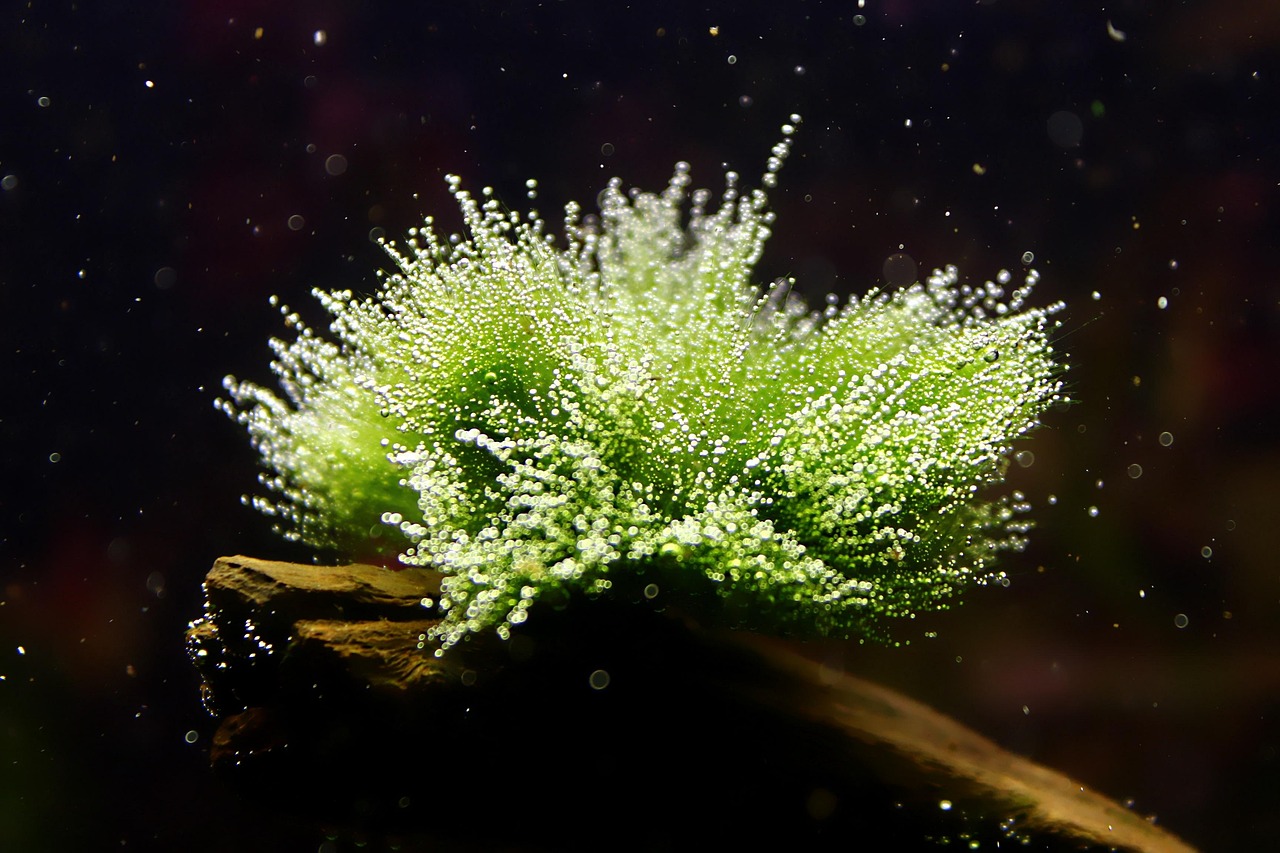
A lush, green carpet of java moss across the tank floor creates a natural meadow effect that rivals any foreground plant, often at a fraction of the cost and effort. This java moss carpet guide from Gensou Aquascaping at 5 Everton Park, Singapore, walks you through the stainless steel mesh method, which remains the most reliable way to achieve a flat, even moss carpet. Whether you are building a shrimp-breeding setup, a low-tech planted tank or a lush aquascape, the technique is straightforward once you understand the materials and process.
Materials You Need
Gather your supplies before starting. You need a portion of Taxiphyllum barbieri (java moss) roughly enough to cover your intended carpet area when spread thinly, two sheets of stainless steel mesh (also called grid mesh or craft mesh, available on Shopee for around $3-$5 per sheet), cotton thread or fishing line, scissors and a spray bottle filled with tank water. The mesh gauge should be fine enough that moss fronds poke through but coarse enough to allow water circulation underneath. Mesh with 3-5 mm openings works well. Never use galvanised or copper-containing mesh, which is toxic to aquatic life.
Preparing the Moss
Start by rinsing the java moss thoroughly under dechlorinated water to remove any debris, snails or unwanted hitchhikers. Spread the moss on a damp towel and use scissors to chop it into roughly 1-2 cm fragments. Smaller pieces establish faster because each fragment can attach independently. Do not mince it into a paste; you want recognisable bits of moss, not green mush. Keep the chopped moss damp with your spray bottle throughout the preparation process. Dry moss recovers poorly even though java moss is generally resilient.
Assembling the Mesh Sandwich
Cut two identical pieces of stainless steel mesh to the dimensions of your desired carpet area. If the carpet is larger than a single sheet, create multiple panels that sit side by side. Lay the first mesh sheet flat on your work surface. Distribute the chopped moss evenly across the mesh in a thin, single layer. Less is more at this stage: a sparse, even distribution fills in faster than thick clumps, which can trap debris and rot underneath. Place the second mesh sheet on top, creating a sandwich. Secure the edges and a few interior points by threading cotton thread or fishing line through both layers and tying off. The mesh layers should press the moss gently flat without crushing it.
Placing the Carpet
Lower the assembled mesh sandwich into your tank and position it on the substrate. The weight of stainless steel mesh usually keeps it in place, but you can anchor the edges with small pebbles or hardscape pieces if needed. Ensure the mesh sits flat against the substrate with no air pockets trapped beneath it. If using multiple panels, butt them edge to edge with no overlap. Within one to two weeks, moss fronds begin growing through the upper mesh layer and spreading laterally. Over four to six weeks, the mesh disappears entirely beneath a continuous green carpet.
Lighting and Growth Conditions
Java moss grows in almost any light, but moderate lighting of 30-50 PAR at substrate level encourages the densest, most attractive carpet. Very low light produces a sparse, leggy carpet that takes months to fill. Very high light without CO2 risks algae growing on the moss faster than the moss itself can spread. CO2 injection is not required but accelerates establishment significantly. In Singapore’s warm climate, java moss grows year-round without seasonal slowdowns. Temperature between 22 °C and 28 °C is ideal. No special fertilisation is needed; java moss absorbs nutrients directly from the water column, and even a lightly stocked tank provides enough through fish waste.
Maintenance and Trimming
Once established, a java moss carpet needs periodic trimming to stay flat and attractive. Use sharp scissors to trim the surface to a uniform height of 1-2 cm every two to three weeks. Without trimming, the carpet grows upward in mounds, traps debris and develops dead patches underneath where light cannot penetrate. After trimming, use a gravel vacuum or turkey baster to remove loose moss fragments before they drift and colonise areas you did not intend. A well-maintained moss carpet can last years, though annual replacement of older sections keeps the carpet looking its freshest.
Troubleshooting Common Issues
Brown or yellowing moss beneath the upper layer indicates light starvation from overgrowth. Trim more aggressively and more frequently. Algae growing on the moss, particularly hair algae, usually means excess light relative to nutrients and CO2. Reduce the photoperiod, add Caridina multidentata (Amano shrimp) which are superb moss-cleaning grazers, or introduce CO2 to help the moss outcompete the algae. Detritus accumulating in the carpet is normal in a functioning tank; a gentle vacuum during water changes keeps it manageable. If sections die off entirely, cut them out, replace the mesh panel and reseed with fresh moss. The total cost for a complete java moss carpet in a 60 cm tank runs under $15 in Singapore, making it one of the most budget-friendly aquascaping techniques available.
Related Reading



