
Loreto Dwarf Tetra Care Guide: Tiny Amazon Gem
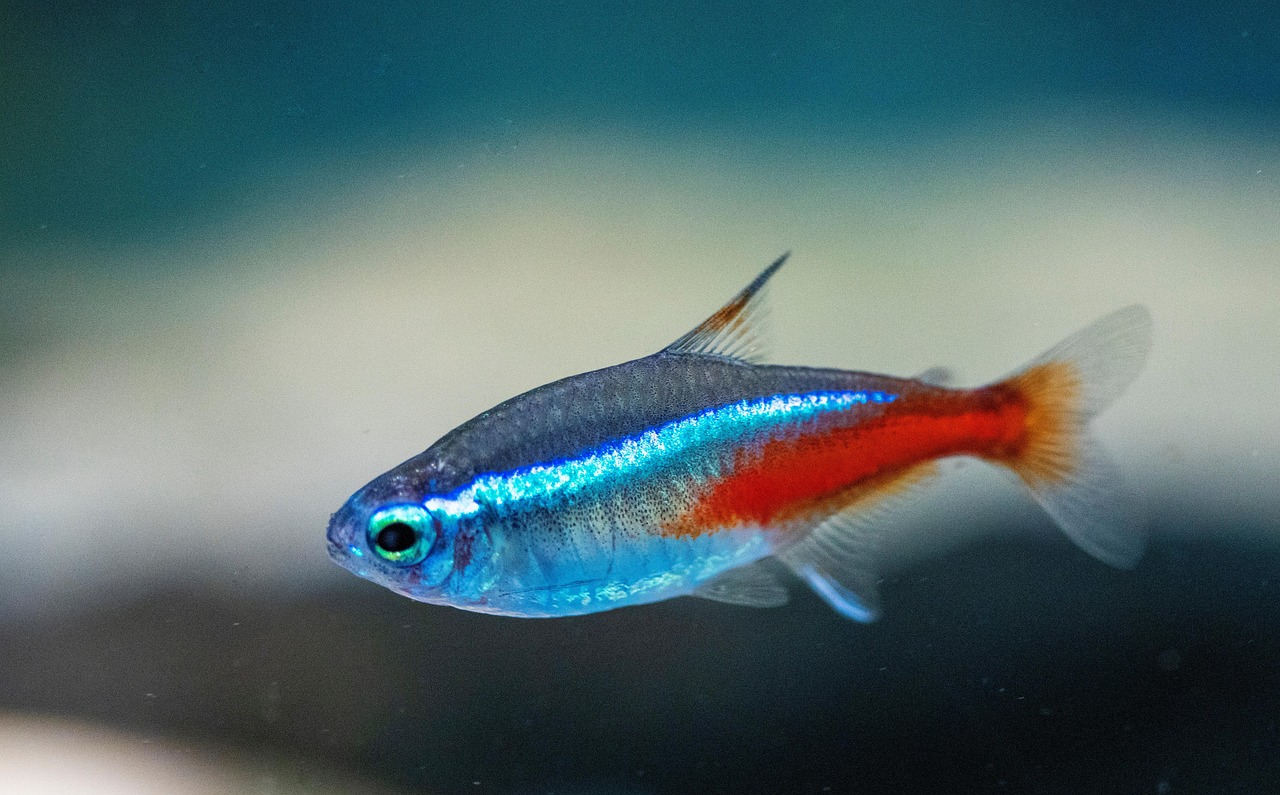
The loreto dwarf tetra, Nannostomus mortenthaleri, is a pencilfish that punches well above its weight in visual impact. Vivid red and black horizontal stripes on a body barely 3 cm long make it a standout nano species. This loreto dwarf tetra care guide from Gensou Aquascaping at 5 Everton Park, Singapore, covers habitat, feeding and care essentials. Once you understand their preferences, these tiny Amazonian gems reward you with striking colour and fascinating social displays. This guide sits inside our broader Tropical Fish Species Master Index reference.
Origin and Description
Nannostomus mortenthaleri comes from slow-moving blackwater streams in the Loreto region of Peru. Males display three bold crimson stripes separated by dark black bands, while females are slightly duller. They reach a maximum of 2.5-3 cm and have the typical pencilfish habit of hovering at a slight angle. First described in 2000, they remain one of the more sought-after pencilfish in the hobby.
Tank Setup
A 30-litre tank is sufficient for a group of eight to ten. Furnish it with driftwood branches, leaf litter and dense plantings of Cryptocoryne or Java fern. Dim lighting or floating plants like Salvinia bring out their best colour, as bright overhead light washes them out. Use a dark substrate such as ADA Amazonia or fine black sand to enhance contrast. A gentle sponge filter suits them perfectly since they dislike strong current.
Water Parameters
Aim for pH 5.0-6.5, GH below 6, and a temperature of 24-28 °C. Singapore’s soft, slightly acidic tap water is actually close to ideal after dechlorination. Add Indian almond leaves or alder cones to tint the water and release tannins, which mimic their blackwater home. Temperature-wise, ambient room conditions in Singapore often sit at 28-30 °C, which is the upper end of their comfort range. A small fan can drop the water by 2-3 °C if needed.
Feeding
Loreto dwarf tetras have tiny mouths, so food particle size is critical. Crush quality micro pellets or flakes finely, and supplement with live or frozen baby brine shrimp, micro worms and daphnia. They feed best from mid-water and will rarely pick food off the substrate. Feed small amounts twice daily. Varied protein sources intensify their red colouration noticeably within a few weeks.
Behaviour and Social Dynamics
Males spar constantly in low-intensity lateral displays, flaring their stripes at rivals without causing real harm. Keep at least six, ideally ten or more, to spread these interactions across the group. A solo male becomes withdrawn, while too few fish results in one dominant male bullying the rest. Females are subtler in colour and more peaceful. The sparring displays are one of the main attractions of keeping this species and are best observed in a well-planted tank with multiple sight lines.
Compatible Tank Mates
Pair them with other small, peaceful species that share similar water preferences. Corydoras pygmaeus, Boraras brigittae, small Apistogramma species and otocinclus all work well. Avoid anything large or fast enough to outcompete them for food. Shrimp compatibility is generally good; Neocaridina davidi coexist peacefully, though newborn shrimplets may occasionally be picked off.
Breeding
Breeding in captivity is possible but not straightforward. Males court females with intensified colour displays. Eggs are scattered among fine-leaved plants or moss and are not guarded. Remove adults after spawning to prevent egg predation. Fry hatch in roughly 48 hours and become free-swimming after three days. They require infusoria or very fine powdered food initially. Raising fry demands patience, but success is achievable in a dedicated breeding tank of 15-20 litres with gentle filtration.
Availability and Cost in Singapore
Loreto dwarf tetras appear periodically at specialist shops and on Carousell, typically priced at $5-8 each. Buy a group of ten when available, as supply can be inconsistent. Quarantine for two weeks and observe for signs of velvet or internal parasites, which sometimes accompany wild-caught imports. Gensou Aquascaping, with over 20 years of experience, can help you design a blackwater nano layout that brings out the best in this species and aligns with this loreto dwarf tetra care guide.
Related Reading



