
How to Set Up a Biotope Aquarium for Beginners
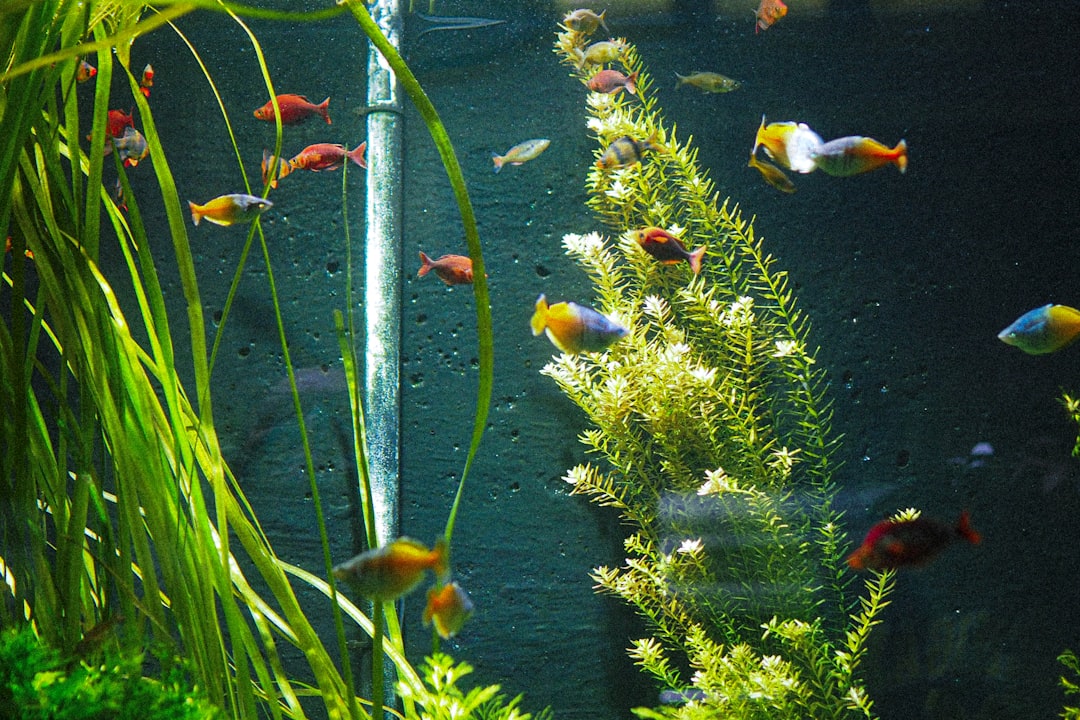
A biotope aquarium recreates a specific natural habitat — a particular river bend, lake shore, or forest stream — using only the fish, plants, and materials found in that location. It is fishkeeping at its most intentional, and beginners often find it simpler than a mixed community because the parameters and species list are already defined by nature. This biotope aquarium setup beginners guide from Gensou Aquascaping, based at 5 Everton Park, Singapore, will help you plan your first biotope with confidence. This guide sits inside our broader Aquascaping Styles Design Hub reference.
Choosing Your Biotope Region
Start by picking a habitat that inspires you. Southeast Asian blackwater streams, South American clearwater tributaries, and Lake Tanganyika rocky shores are three popular options with widely available fish and materials. Consider what species excite you most — if you love tetras, an Amazon or Rio Negro biotope is a natural fit. If cichlids fascinate you, look at African lake systems. Your choice of region determines every other decision, so spend time researching before buying anything.
Research the Natural Habitat
Once you have chosen a region, dig into its water chemistry, substrate type, typical plant life, and seasonal conditions. The Rio Negro, for example, features extremely soft, acidic water (pH 4.5-5.5, GH below 1), a sandy bottom covered in leaf litter, and very few rooted plants. Lake Malawi, by contrast, is hard and alkaline (pH 7.8-8.6, GH 6-10) with rocky substrates and virtually no plants. Singapore’s tap water is soft and slightly acidic, making South American and Southeast Asian biotopes easier to replicate without extensive modification.
Selecting the Right Tank Size
A 60-80 litre tank is ideal for a first biotope. It provides enough volume for stable water parameters while remaining manageable on a standard desk or cabinet. For HDB flats and condos in Singapore, check that your chosen location can support the weight — a filled 80-litre tank weighs roughly 100 kg including stand and equipment. Rectangular tanks work best for biotopes because they offer a wide footprint for arranging substrate and hardscape naturally.
Substrate and Hardscape
Match your substrate to the habitat. River biotopes typically call for fine sand or smooth gravel in earthy tones. A blackwater setup benefits from a layer of dried leaves — Indian almond leaves (ketapang) are readily available at Singapore aquarium shops for $2-$5 per pack — scattered over dark sand. Rocky biotopes need inert stones; seiryu stone works for Asian streams, while limestone or ocean rock suits African rift lake setups. Collect driftwood for forest-stream biotopes, or purchase spider wood and mopani from local suppliers.
Choosing Biotope-Appropriate Livestock
This is where discipline matters. Only stock species that coexist in your chosen habitat. For an Amazon blackwater biotope, pair cardinal tetras with Corydoras catfish and Apistogramma dwarf cichlids — all share the same water column in nature. A Southeast Asian stream might feature Boraras rasboras, chocolate gouramis, and kuhli loaches. Research the specific collection locality if possible, as species from different tributaries of the same river system may never actually meet in the wild.
Plants and Decor
Not every biotope includes plants. African rift lake biotopes are typically bare rock and sand. Blackwater habitats have minimal vegetation — perhaps some floating plants and marginal growth. Asian stream biotopes, however, can be lushly planted with Cryptocoryne species, mosses, and Hygrophila. Use only plants native to your chosen region. If your biotope is naturally plant-free, resist the urge to add greenery — the authenticity of a bare, rocky, or leaf-littered tank has its own striking beauty.
Water Parameters and Conditioning
Adjust your water to match the target biotope before adding fish. For soft, acidic setups, Singapore’s tap water needs minimal adjustment — a small amount of peat filtration or Indian almond leaf extract lowers pH gently. For hard, alkaline biotopes like Lake Malawi, add crushed coral to your filter or use a remineralising salt blend. Test pH, GH, and KH weekly during the cycling period and ensure stability before introducing livestock. Stability matters more than hitting an exact number.
Getting Started and Growing
Cycle the tank fully before adding fish — allow four to six weeks with an ammonia source. Introduce livestock gradually, starting with the hardiest species. Document your setup with photos and water test results; biotope hobbyists worldwide share their work on forums and social media, and the community is welcoming to beginners. Once your first biotope is established, the temptation to start a second is almost irresistible. Gensou Aquascaping can help you source specific materials and livestock for biotope projects throughout Singapore.
Related Reading



