How to Set Up a CO2 System for Beginners: Complete Walkthrough
Adding CO2 to a planted aquarium transforms plant growth from slow and underwhelming to dense, lush, and competitive with algae. But for beginners, a pressurised CO2 system looks intimidating: regulators, solenoids, diffusers, drop checkers — it is a lot of components for a first-time setup. The good news is that once you understand what each part does, setting up a CO2 system for your aquarium is a logical, straightforward process. This guide from Gensou Aquascaping at 5 Everton Park, Singapore covers every component, the assembly sequence, and how to tune the system correctly once it is running.
Understanding What CO2 Does in a Planted Tank
Plants use carbon dioxide in photosynthesis to build tissue and grow. In a heavily planted aquarium, fish respiration alone does not produce enough CO2 to support fast, healthy plant growth — dissolved CO2 in an uninjected tank often sits below 5 ppm. For active plant growth, the target is 20 to 30 ppm. Achieving this consistently with a pressurised system gives your plants a significant advantage over algae, which cannot outcompete plants for nutrients when the plants are growing vigorously.
The Components of a Pressurised CO2 System
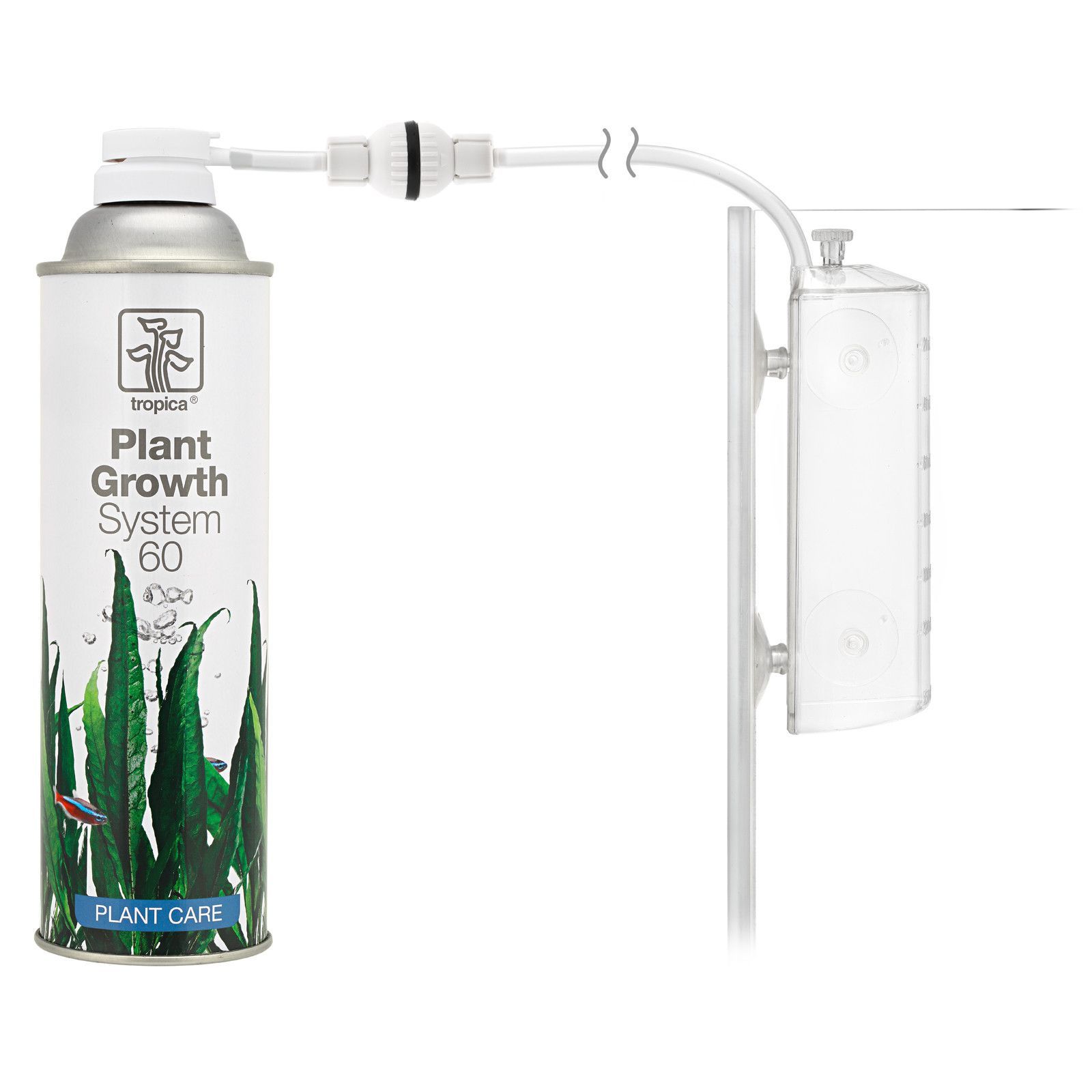
A complete system has five core components. The CO2 cylinder stores the gas under high pressure — 1 kg aluminium cylinders are the most practical starting size for tanks up to 200 litres, and can be refilled at welding supply shops in Singapore for approximately $15 to $20. The regulator reduces the high cylinder pressure to a controlled working pressure and includes a gauge showing how much CO2 remains. A solenoid valve — usually integrated into quality regulators — allows the CO2 to be turned on and off by a timer, so gas is not wasted at night when plants are not photosynthesising. A bubble counter lets you count and adjust the CO2 injection rate in bubbles per second. Finally, a diffuser breaks the CO2 into fine micro-bubbles that dissolve efficiently into the water column.
Assembly Step by Step
Begin with the cylinder on its side or upright — check the manufacturer’s specification; most aluminium cylinders operate in either orientation. Attach the regulator to the cylinder valve using the thread adapter provided; hand-tighten first, then use a spanner for a quarter-turn more. Do not overtighten. Connect the airline tubing from the regulator outlet to the bubble counter inlet, then from the bubble counter outlet to the diffuser. The diffuser sits inside the aquarium, positioned near the filter intake to distribute CO2-rich water throughout the tank via the filter’s flow. The solenoid connects to a plug timer — set it to switch on one hour before the aquarium lights come on and off one hour before the lights go out.
Setting the Bubble Rate
Open the cylinder valve slowly, then adjust the working pressure on the regulator to approximately 1 to 1.5 bar. Begin with a bubble rate of 1 bubble per second for tanks under 100 litres, or 2 to 3 bubbles per second for larger tanks. Do not try to dial in the perfect rate on day one — wait 24 hours, check your drop checker, and adjust. Underinjecting CO2 is safer than overinjecting; too much CO2 drops the pH sharply and can suffocate fish overnight if the solenoid timer fails to switch off.
Using a Drop Checker
A drop checker is a small glass vessel filled with a CO2-sensitive indicator solution (4 dKH reference water plus bromo blue indicator) that hangs inside the aquarium. The colour tells you the approximate dissolved CO2 level: blue indicates under 15 ppm, green indicates the target range of 20 to 30 ppm, and yellow indicates above 30 ppm — too high for most tanks. Check the colour after the CO2 has been running for two to three hours with the lights on. Adjust the bubble rate up or down accordingly and recheck the following day. The drop checker lags reality by about an hour, so use it as a guide rather than an instant readout.
Signs of Too Much CO2
Fish gasping at the surface, clustering near the filter outlet for oxygenated water, or appearing lethargic shortly after the CO2 turns on in the morning are all signs of CO2 overdose. If you see this, immediately increase surface agitation by tilting a filter outlet upward, reduce the bubble rate, and check the solenoid timer is switching off correctly overnight. CO2 overdose is more common in tanks with minimal surface movement — surface agitation is your safety valve and should never be eliminated entirely in a CO2-injected tank.
Ongoing Maintenance
A pressurised CO2 system requires minimal ongoing maintenance. Replace the cylinder when the gauge reads nearly empty — a cylinder running low causes the working pressure to drop and the bubble rate to slow, which you will notice as plant growth slowing and algae reappearing. Clean the diffuser monthly by soaking it in diluted bleach solution (then rinsing thoroughly) to clear the micro-pores of calcium deposits. Check all airline connections annually for micro-cracks. With proper care, a quality CO2 regulator lasts five to ten years without issues. Gensou Aquascaping can advise on CO2 equipment suited to your tank size — visit us at 5 Everton Park or browse our planted aquarium setups for inspiration.
Related Reading