
How to Aquascape a Snail-Only Tank: Shells, Algae and Beauty
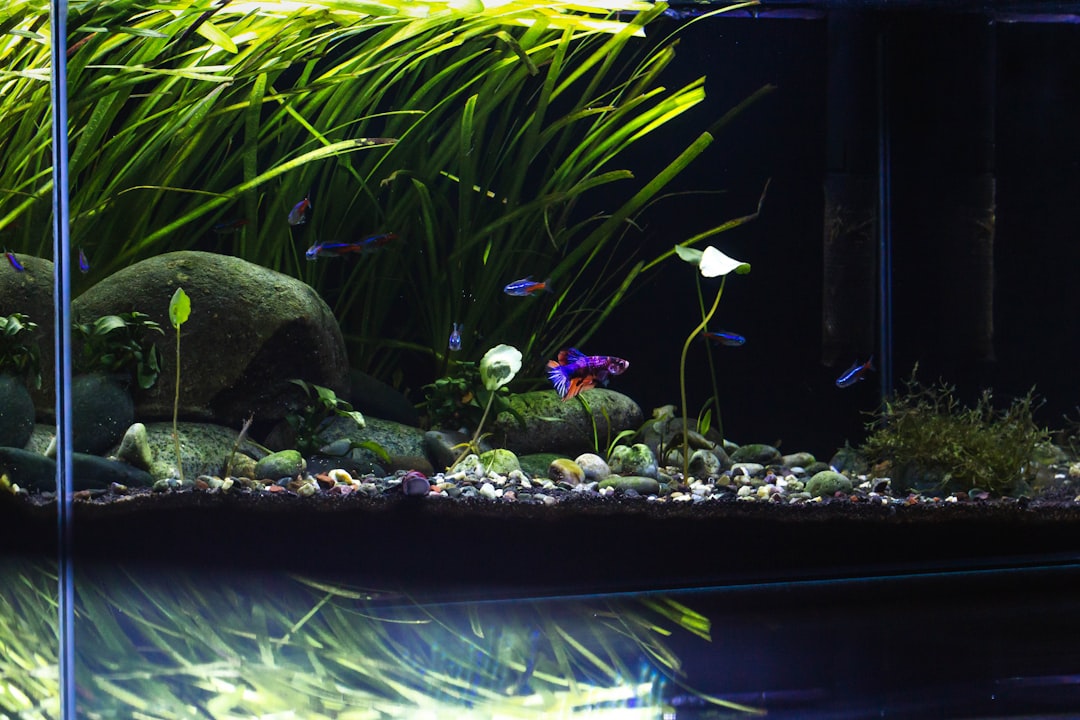
Snails are often cast as supporting characters in the aquarium hobby — algae janitors tucked into the background of a fish-focused tank. But a dedicated snail-only setup lets these fascinating gastropods take centre stage, and aquascaping for them requires a different set of priorities than a typical planted layout. This aquascape snail-only tank guide covers everything from substrate to plant choices that keep your shelled residents healthy and your tank visually striking. Gensou Aquascaping in Singapore has designed several gastropod-focused displays, and they consistently surprise visitors with how engaging a snail tank can be.
Choosing Your Snail Species
Nerite snails (Neritina spp.) are the most popular choice for a display tank — their patterned shells add genuine visual interest, and they will not breed in fresh water. Mystery snails (Pomacea bridgesii) grow larger, come in gold, blue, ivory, and purple morphs, and have entertaining feeding behaviours. Ramshorn snails breed prolifically but their flat, jewel-toned shells look beautiful en masse. For something unusual, rabbit snails (Tylomelania spp.) from Sulawesi bring elongated shells and a slow, deliberate grace. Mix species carefully — some compete for the same food sources.
Substrate for Shell Health
Snails need calcium for shell growth, so acidic aquasoil is a poor choice as a primary substrate. Fine inert sand or rounded gravel in the 1-3 mm range works well, allowing snails to glide comfortably without damaging their foot. Add crushed coral to the filter or mix a thin layer into the substrate to buffer pH above 7.0 and maintain GH of at least 8 — soft, acidic water slowly erodes shells over months. Singapore’s naturally soft tap water (GH 2-4) needs this supplementation without exception.
Hardscape That Serves Double Duty
Limestone and seiryu stone raise GH and KH naturally while providing grazing surfaces that develop biofilm and green algae — a primary food source. Arrange stones at various angles to create slopes and overhangs where snails explore and congregate. Driftwood is fine to include but keep it moderate; heavy tannin leaching lowers pH, which works against the alkaline conditions snails prefer. Lava rock, with its rough, porous surface, is another excellent grazing substrate.
Plant Selection
Snails graze on algae and biofilm, not healthy plant tissue — with a few exceptions. Mystery snails may nibble soft-leaved plants if underfed, so choose hardy species. Anubias barteri and Java fern (Microsorum pteropus) have tough leaves snails rarely damage. Vallisneria grows quickly enough to outpace any minor grazing. Avoid delicate stems like Rotala in a tank with large mystery snails. Mosses attached to hardscape provide both visual texture and additional grazing surface.
Encouraging Algae Growth
Here is a concept that goes against every instinct of a typical aquarist: in a snail tank, some algae is a feature, not a flaw. Run your light for nine to ten hours daily at moderate intensity to encourage a thin green film on stones and glass. This biofilm-and-algae layer is the most nutritious natural food source for nerites and ramshorns. Supplement with blanched vegetables — courgette, spinach, cucumber — two to three times a week, and calcium-rich foods like cuttlebone left to dissolve slowly on the substrate.
Filtration and Water Quality
Snails produce a surprising amount of waste relative to their size, especially mystery snails. A sponge filter is ideal — it provides biological filtration without creating intake suction that traps baby ramshorns, and the sponge surface itself becomes a grazing spot. For larger tanks, a small canister with a pre-filter sponge works well. Perform 20-25% water changes weekly, and always dechlorinate thoroughly — chloramine in Singapore tap water is particularly harmful to gastropods.
Layout Philosophy
An aquascape for a snail-only tank should prioritise surface area over empty swimming space. Snails explore every surface you give them, so create a landscape rich in textured horizontal and vertical planes: stacked stones, driftwood branches, plant leaves at multiple heights. Leave the front glass clear for viewing, but let the sides and back develop a natural patina. The result is a living, slowly evolving display that rewards close observation — quite unlike a fish tank, and all the more interesting for it.
Related Reading



