
How to Fix Thread Algae in Your Aquarium
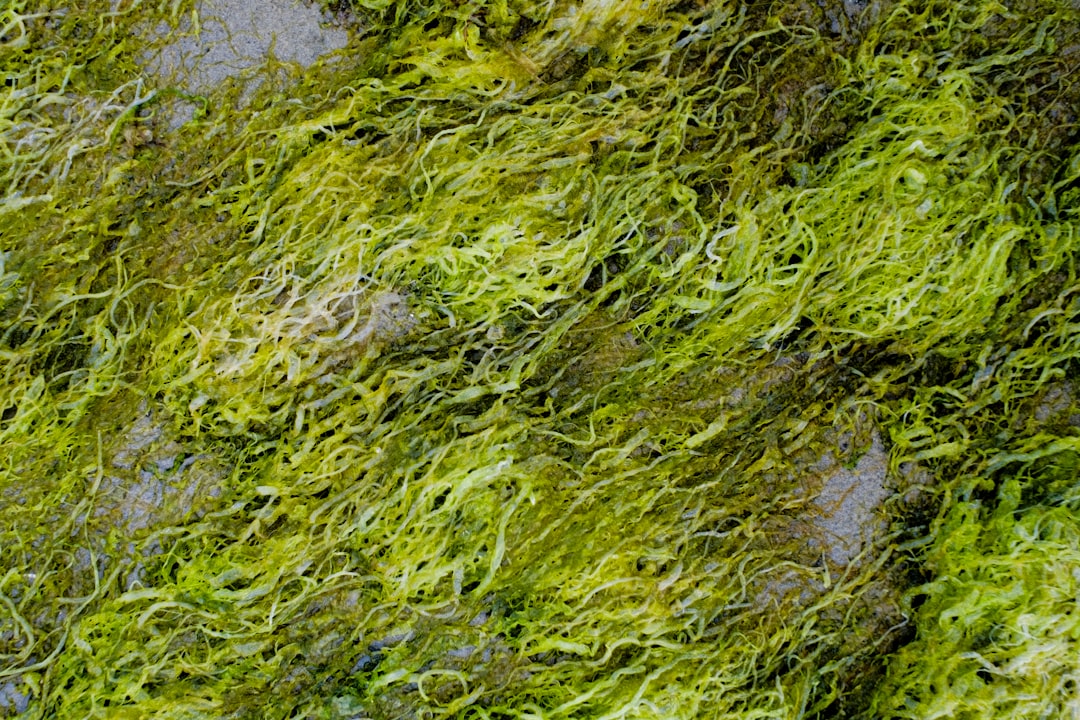
Long, wispy green strands winding through your plants and hardscape signal a thread algae invasion, one of the most common nuisances in planted aquariums. This fix thread algae aquarium guide from Gensou Aquascaping at 5 Everton Park, Singapore, identifies the causes, provides immediate removal techniques, and outlines the long-term adjustments that stop thread algae from coming back. The good news is that thread algae is highly treatable once you understand what is fuelling it.
Identifying Thread Algae
Thread algae, sometimes called hair algae or filamentous algae, forms long, soft green strands that can reach 5-10 cm or more. It attaches to plant leaves, moss, hardscape edges, and filter outlets. Unlike black beard algae, which is short and tufted, thread algae has a distinctly silky, flowing appearance. It is most commonly caused by species from the genera Oedogonium and Spirogyra. A simple test: if you can wind the strands around a toothbrush or chopstick, it is almost certainly thread algae.
Root Causes
Thread algae thrives when dissolved CO2 is insufficient relative to the light intensity and nutrient load. In planted tanks, this typically means the lighting is too strong or runs too long for the available CO2. Inconsistent CO2 injection, where levels fluctuate throughout the day, is a particularly common trigger. Elevated ammonia from overstocking, overfeeding, or a maturing filter can also feed the bloom. Singapore’s warm water temperatures of 28-30 degrees C accelerate algae growth rates, making imbalances more punishing than in cooler climates.
Immediate Manual Removal
Start by removing as much thread algae as possible by hand. A toothbrush twisted gently through the strands picks up large volumes quickly. For algae tangled in mosses and fine-leaved plants, use long tweezers to pull individual strands free. Perform this during a water change so dislodged fragments are siphoned out rather than redistributed. Manual removal alone will not solve the problem, but it reduces the algal biomass and buys time for other interventions to take effect.
Adjusting CO2 and Light
If you run CO2 injection, verify that your drop checker shows a consistent green (approximately 30 ppm dissolved CO2) throughout the photoperiod. Fluctuations that cause the checker to shift between green and blue indicate unstable levels. Start CO2 injection two hours before lights-on so concentration is stable when photosynthesis begins. Reduce the photoperiod to 6 hours temporarily while combating the outbreak, gradually increasing back to 7-8 hours once the algae is controlled. In non-CO2 tanks, reduce light intensity by raising the fixture or dimming the LEDs.
Algae-Eating Crew
Certain species devour thread algae with impressive efficiency. Amano shrimp (Caridina multidentata) are the gold standard, consuming soft filamentous algae aggressively. A squad of 10 Amano shrimp in a 200-litre tank makes a visible difference within days. Siamese algae eaters (Crossocheilus oblongus) also graze on thread algae, though they become less diligent as they grow. Florida flagfish and mollies eat thread algae too, but their compatibility with planted tanks varies. Nerite snails and otocinclus are less effective against filamentous types.
Chemical and Spot Treatments
Liquid carbon products containing glutaraldehyde (marketed as Excel, Easy Carbo, or similar) can be applied directly to affected areas with a pipette during water changes. Turn off the filter for 10-15 minutes to allow the concentrated solution to sit on the algae. Treated strands turn white and die within 24-48 hours. Hydrogen peroxide at 1.5 ml per 4 litres of tank water, dosed carefully with the filter off, is another effective spot treatment. Both methods should be used sparingly and not as permanent solutions.
Long-Term Prevention
Once the outbreak is cleared, maintain consistent CO2 levels, a disciplined photoperiod, and regular 30-40 percent weekly water changes to export excess nutrients. Avoid overfeeding; feed only what your fish consume in two minutes. Keep a maintenance crew of Amano shrimp as a permanent standing army against regrowth. Test nitrate weekly and keep it between 10 and 20 ppm, high enough for plant uptake but not so high that algae gains an advantage.
Persistence Wins
Thread algae rarely disappears overnight, but a disciplined combination of manual removal, parameter correction, and biological control resolves most outbreaks within two to four weeks. This fix thread algae aquarium guide equips you with every tool you need. For a detailed tank assessment and personalised advice, visit the Gensou Aquascaping studio at 5 Everton Park.
Related Reading



