
How to Fix Algae Growth on Your Filter Intake
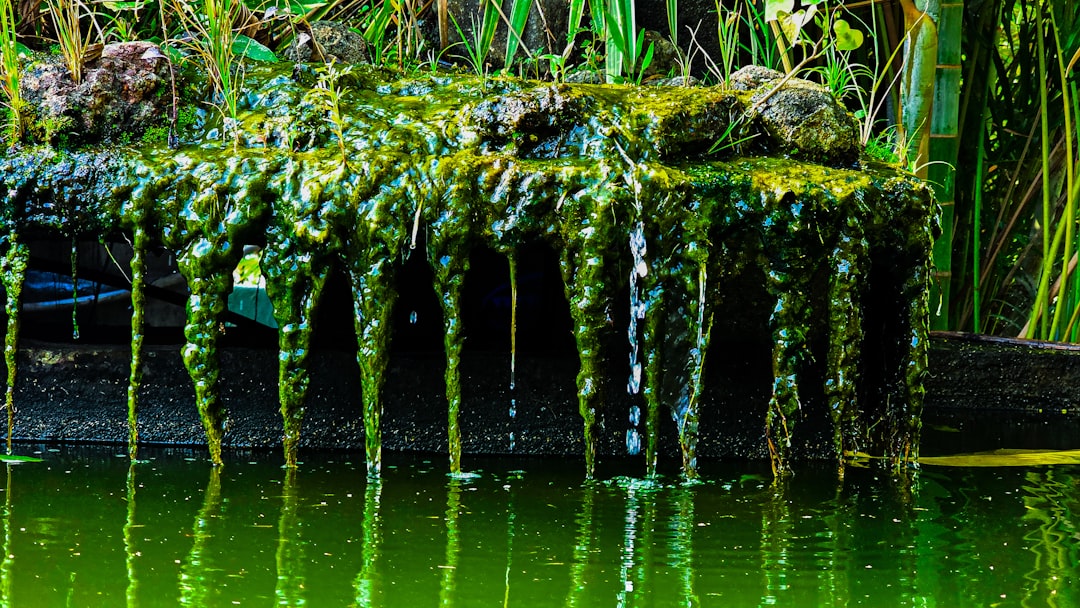
Algae clogging your filter intake is more than a cosmetic annoyance — it restricts water flow, reduces filtration efficiency, and can quietly compromise your entire tank’s health. This fix algae filter intake aquarium guide from Gensou Aquascaping at 5 Everton Park, Singapore, explains why algae gravitates toward intake strainers, how to clean them effectively, and what long-term changes prevent the problem from recurring. Whether you run a canister, hang-on-back, or sump system, the principles are the same.
Why Algae Loves Filter Intakes
The filter intake is a convergence point for everything the water column carries — dissolved nutrients, suspended organic particles, and microscopic algae spores. As water is drawn through the strainer, these elements concentrate on and around the intake surface. The constant nutrient flow creates an ideal microenvironment for algae colonisation. Green algae, brown diatoms, and black beard algae (BBA) are the most common types found on intakes. BBA in particular thrives in areas of moderate, consistent water flow — exactly the conditions an intake provides.
Impact on Filtration
A partially clogged intake reduces flow rate significantly. Most canister filters lose 20-30% of their rated flow when the intake strainer is heavily fouled. Reduced flow means less mechanical filtration, lower oxygen delivery to biological media, and diminished circulation throughout the tank — all of which worsen algae problems in a self-reinforcing cycle. If you notice your filter outflow weakening or your spray bar producing less surface agitation than usual, check the intake before assuming the impeller or media is the problem.
Cleaning the Intake
Remove the intake strainer from the tank and scrub it under running tap water with a stiff bottle brush or old toothbrush. For stubborn BBA or green spot algae, soak the strainer in a diluted bleach solution (one part household bleach to 19 parts water) for 15-20 minutes, then rinse thoroughly and soak in dechlorinated water for another 10 minutes before reinstalling. Alternatively, soak in undiluted white vinegar for 30 minutes — vinegar dissolves calcium-bound algae effectively and is safer than bleach if you are cautious about chemical residue.
Choosing the Right Intake Guard
Stainless steel intake guards are easier to clean and resist algae attachment better than plastic strainers. Their smooth surface gives algae fewer anchor points compared to the textured plastic that comes standard with most canister filters. Lily pipe-style glass intakes look elegant but require more frequent cleaning as glass surfaces are prone to green algae films. If algae recurrence is chronic, switching from a fine-mesh strainer to a coarser guard reduces surface area available for colonisation while still protecting small fish and shrimp from being drawn in.
Addressing Root Causes
Algae on the intake is a symptom, not the disease. Excess dissolved nutrients — particularly phosphate and organic carbon — fuel algae growth everywhere in the tank, including on equipment. Test your water and aim for nitrate 10-25 ppm and phosphate 0.5-2 ppm. If phosphate consistently reads above 2 ppm, reduce feeding frequency or add phosphate-absorbing media to your filter. Lighting duration matters too — tanks running more than 10 hours of light daily experience more algae across all surfaces. Reduce your photoperiod to 7-8 hours as a first corrective step.
Biological Allies
Certain tank inhabitants actively graze on intake algae. Otocinclus catfish, Amano shrimp (Caridina multidentata), and Nerite snails all frequent filter intakes as grazing sites. A small squad of five to six Amano shrimp in a 100-litre tank can keep an intake visibly cleaner between manual cleanings. Bristlenose plecos also rasp algae from equipment surfaces but may be too large for nano setups. These biological controls supplement — but do not replace — proper nutrient management and regular maintenance.
Maintenance Schedule
Incorporate intake cleaning into your regular tank maintenance routine. A quick scrub every two weeks during water changes prevents algae from building up to the point where it affects flow. If you run a canister filter, disconnect and rinse the intake tube interior at the same time — algae grows inside the tube as well, particularly in the first 10-15 cm near the strainer. A long, flexible pipe brush designed for aquarium tubing makes this job quick and thorough. Consistency is key; five minutes of prevention every fortnight saves you from dealing with a heavily fouled, flow-restricted system.
When Algae Keeps Returning
Persistent intake algae despite regular cleaning points to an underlying imbalance. Reassess your fertilisation regime, CO2 levels (if injecting), and lighting intensity. In Singapore’s warm conditions, higher water temperatures of 28-30°C accelerate algae metabolism, making nutrient control and maintenance frequency more critical than in cooler climates. Consider whether your filter is oversized — a filter drawing more water than the tank needs creates unnecessarily strong intake currents that concentrate nutrients faster. Right-sizing your equipment and maintaining balanced water chemistry will keep your intake clean and your filtration running at peak efficiency, making this fix algae filter intake issue a thing of the past.
Related Reading



