
How to Aquascape for Vampire Shrimp: Flow and Feeding Zones
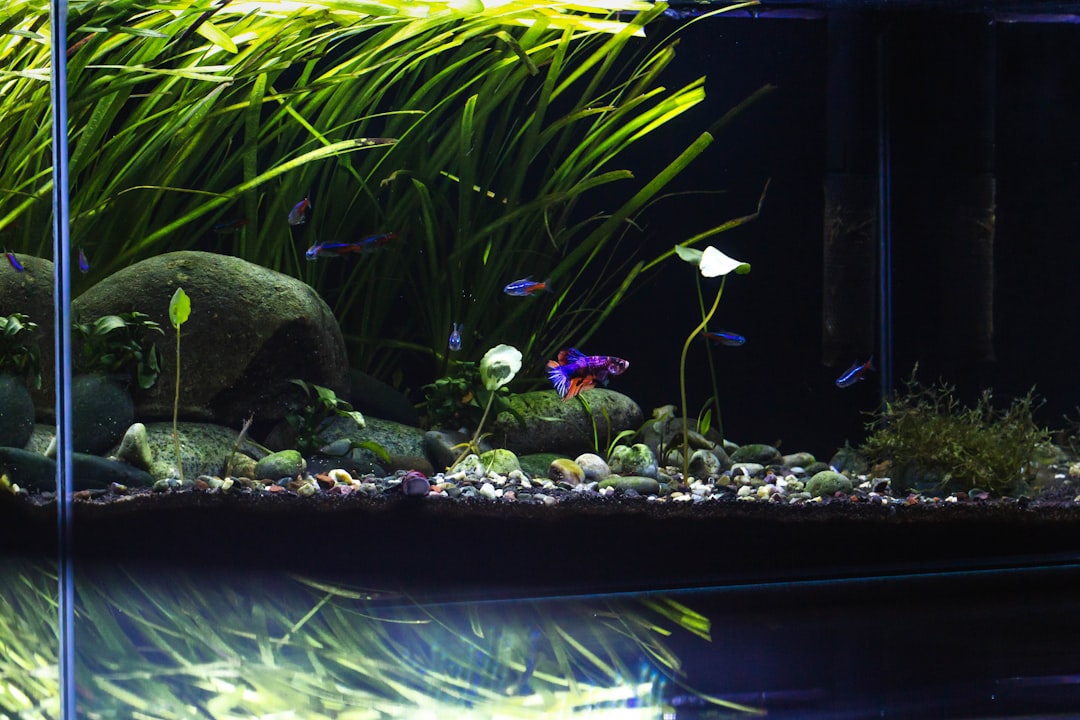
Vampire shrimp (Atya gabonensis) are not vampires and barely look like typical shrimp — they are chunky, fan-handed filter feeders that perch in current and sieve microscopic food from the water column. Building an aquascape for a vampire shrimp tank means designing around flow patterns, feeding perches, and hiding spots rather than the usual aesthetic priorities. At Gensou Aquascaping in Singapore, we have designed layouts specifically for these fascinating West African giants across our 20-plus years in the hobby.
Understanding Vampire Shrimp Behaviour
Unlike cherry shrimp or Amano shrimp that graze surfaces, vampire shrimp extend their feathery chelipeds — modified fan-like claws — into the current to catch suspended particles. They position themselves on the highest point in the flow path, often spending hours motionless with fans outstretched. At night, they may descend to the substrate to scavenge. Your aquascape needs to provide elevated perching sites directly in the current’s strongest path.
Tank Size and Flow Design
A minimum of 90 litres suits a pair of vampire shrimp, which grow to 12-15 cm. Flow is the most critical design element. Use a powerhead or wavemaker positioned at one end to create a strong unidirectional current across the tank. Aim for a flow rate of at least 10 times the tank volume per hour in the main channel. Position the filter outlet and powerhead so they converge on the same area — this creates a concentrated feeding lane where your shrimp will station themselves.
Creating Feeding Perches
Stack flat stones — slate, river rock, or lava rock — into plateaus 10-15 cm above the substrate, directly in the flow path. Leave the tops smooth and slightly concave so the shrimp can grip securely. Driftwood branches angled horizontally also work as perches. The key is height: vampire shrimp instinctively climb to catch the strongest current. Without elevated perches, they huddle behind the filter intake looking miserable and underfed.
Hiding Spots and Caves
Vampire shrimp are shy during daylight hours, especially after moulting when they are soft and vulnerable. Create caves using stacked rocks with gaps wide enough for a 15 cm shrimp to enter — roughly 5-6 cm clearance. PVC pipe sections (50 mm diameter) tucked behind hardscape work as functional hides that you can camouflage with moss. Provide at least one cave per shrimp, positioned in the quieter zone of the tank away from the main current.
Substrate and Plant Choices
Fine sand works best because vampire shrimp occasionally sift the substrate with their fans when current-feeding is insufficient. Coarse gravel traps food particles too deep for them to access. Plants should be sturdy enough to handle strong flow: Anubias barteri tied to rocks, Java fern on driftwood, and Bolbitis heudelotii — a West African native that adds biotope authenticity. Avoid delicate stem plants in the flow channel, as they get battered and shed debris.
Feeding Strategy in the Aquascape
Vampire shrimp eat phytoplankton, powdered spirulina, and fine particulate food. Crush algae wafers into dust and release the powder upstream of the feeding perch — the current carries it past the shrimp’s outstretched fans. Liquid fry food and green water (phytoplankton cultures) also work well. Feed small amounts two to three times daily rather than one large dose, which overwhelms filtration. In Singapore, spirulina powder is readily available at health food shops for about $8 per 100 g.
Tankmates That Work
Peaceful community fish that tolerate strong flow make good companions. Hillstream loaches, Corydoras, and small barbs like cherry barbs coexist well. Avoid aggressive cichlids or large predatory fish — vampire shrimp are defenceless and become expensive snacks. Other fan-feeding species like bamboo shrimp (Atyopsis moluccensis) can share the tank, but provide enough perching sites for everyone, as competition for prime flow spots does occur.
Maintenance Considerations
Strong flow means debris concentrates in dead zones behind rocks and in corners. Vacuum these areas weekly. Keep the feeding perches clear of algae — a thick biofilm coating makes it harder for shrimp to grip. Your vampire shrimp tank aquascape should be reviewed every few months: as shrimp grow, they need larger caves and wider perches. Rearranging a few stones takes minutes and keeps your setup matched to their size.
Related Reading



