How to Aquascape a Cherry Shrimp Display Tank
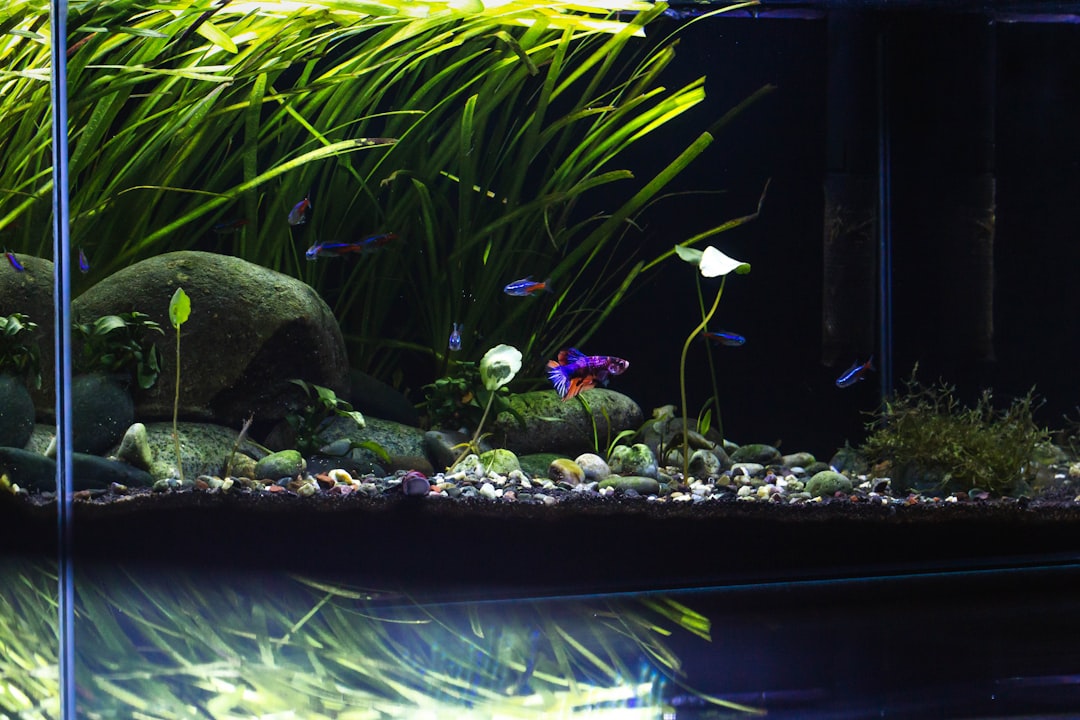
Cherry shrimp (Neocaridina davidi) are the gateway species for countless shrimp keepers, and a well-aquascaped display tank turns a simple colony into a living jewel box. Building an aquascape for a cherry shrimp display means prioritising grazing surfaces, hiding spots for moulting, and gentle water movement over dramatic rock formations. This guide from Gensou Aquascaping at 5 Everton Park, Singapore covers everything from substrate to stocking to keep your colony flourishing.
Why Cherry Shrimp Deserve a Purpose-Built Scape
Most hobbyists start with cherry shrimp in an existing community tank, where they survive but rarely shine. A dedicated display lets you optimise every parameter for breeding success and colour intensity. Without fish predators, shrimplets survive in the open, and your population grows exponentially. The aquascape itself becomes a stage: dark substrates make red shrimp pop, mosses provide endless grazing, and open foreground areas let you observe feeding behaviour up close.
Tank Size and Setup
A 30-45 cm nano tank (20-40 litres) is perfect for a starter colony of 15-20 shrimp. Larger tanks of 60 cm and above support bigger colonies with greater parameter stability. Rimless glass with clear silicone gives the cleanest look. Use a sponge filter or a small hang-on-back with an intake sponge to prevent shrimplets from being sucked in. Position the filter to create gentle circulation rather than a strong current; cherry shrimp are not strong swimmers and prefer calm water.
Substrate for Colour and Plant Growth
Dark substrates make red cherry shrimp appear more vivid. ADA Amazonia, Tropica Aquarium Soil, or black sand all work well. Active soils buffer pH slightly acidic (6.2-6.8), which cherry shrimp tolerate happily, and they fuel plant growth from the roots. If you prefer inert black sand, add root tabs for any rooted plants. Layer the substrate 3-4 cm deep, sloping gently from front to back. Avoid very fine powder substrates that compact and create anaerobic pockets.
Moss: The Heart of a Shrimp Scape
Moss is non-negotiable in a cherry shrimp display. Java moss (Taxiphyllum barbieri), Christmas moss (Vesicularia montagnei), and flame moss (Taxiphyllum sp. ‘Flame’) all provide dense microhabitats where biofilm, the shrimp’s primary food source, accumulates. Attach moss to small stones or driftwood pieces using cotton thread or super glue gel. Spread it across multiple spots rather than concentrating in one clump; this distributes the colony and creates visual interest across the full tank. Trim moss every four to six weeks to prevent the interior from dying off due to light starvation.
Additional Plants for a Shrimp-Safe Scape
Anubias nana petite attached to wood provides dark green contrast against bright red shrimp. Bucephalandra species add texture and subtle iridescence. A few stems of Rotala rotundifolia in the background provide height and help absorb nitrate. Marimo moss balls sit on the substrate and become grazing stations where shrimp cluster in photogenic groups. Floating plants like Salvinia or Riccia diffuse light and give baby shrimp surface-level refuge. None of these plants require CO2 injection, keeping the setup simple and shrimp-safe.
Hardscape That Serves the Shrimp
Cholla wood is a shrimp favourite. Its tubular, porous structure creates tunnels that shrimp love to hide and moult inside, and it develops biofilm rapidly as it waterloggs. Dragon stone with its pitted surface offers additional grazing texture. Avoid sharp-edged rocks that freshly moulted shrimp, soft and vulnerable, could injure themselves on. A layout of one or two small cholla pieces, a cluster of rounded stone, and scattered moss-covered pebbles creates a natural, inviting environment without overcomplicating the design.
Water Parameters and Maintenance
Cherry shrimp thrive at pH 6.5-7.5, GH 6-10, KH 2-5, and temperatures of 22-28 degrees C. Singapore’s tap water (GH 2-4) is a bit soft, so remineralise with a product like SaltyShrimp GH/KH+ to reach GH 6-8. Weekly water changes of 15-20 percent keep nitrate below 20 ppm. Change water slowly, drip-style if possible, to avoid shocking sensitive shrimp. Test TDS regularly; a stable reading between 150 and 250 ppm indicates consistent mineral content. Avoid copper-based medications or fertilisers, as copper is lethal to shrimp even in trace amounts.
Feeding and Colony Growth
In a well-planted tank with established biofilm, cherry shrimp need very little supplemental food. Feed a small pinch of quality shrimp pellets or blanched vegetables (spinach, zucchini) two to three times per week. Remove uneaten food within two hours to prevent water quality issues. A healthy colony in a 40-litre display can grow from 20 to over 100 shrimp within four to five months. Gensou Aquascaping recommends starting with a mix of grades: even lower-grade cherry shrimp breed prolifically, and selective culling over generations concentrates colour into stunning fire-red or painted-fire lines.
Related Reading