
Aquarium Fish Compatibility Chart: Printable Quick Reference
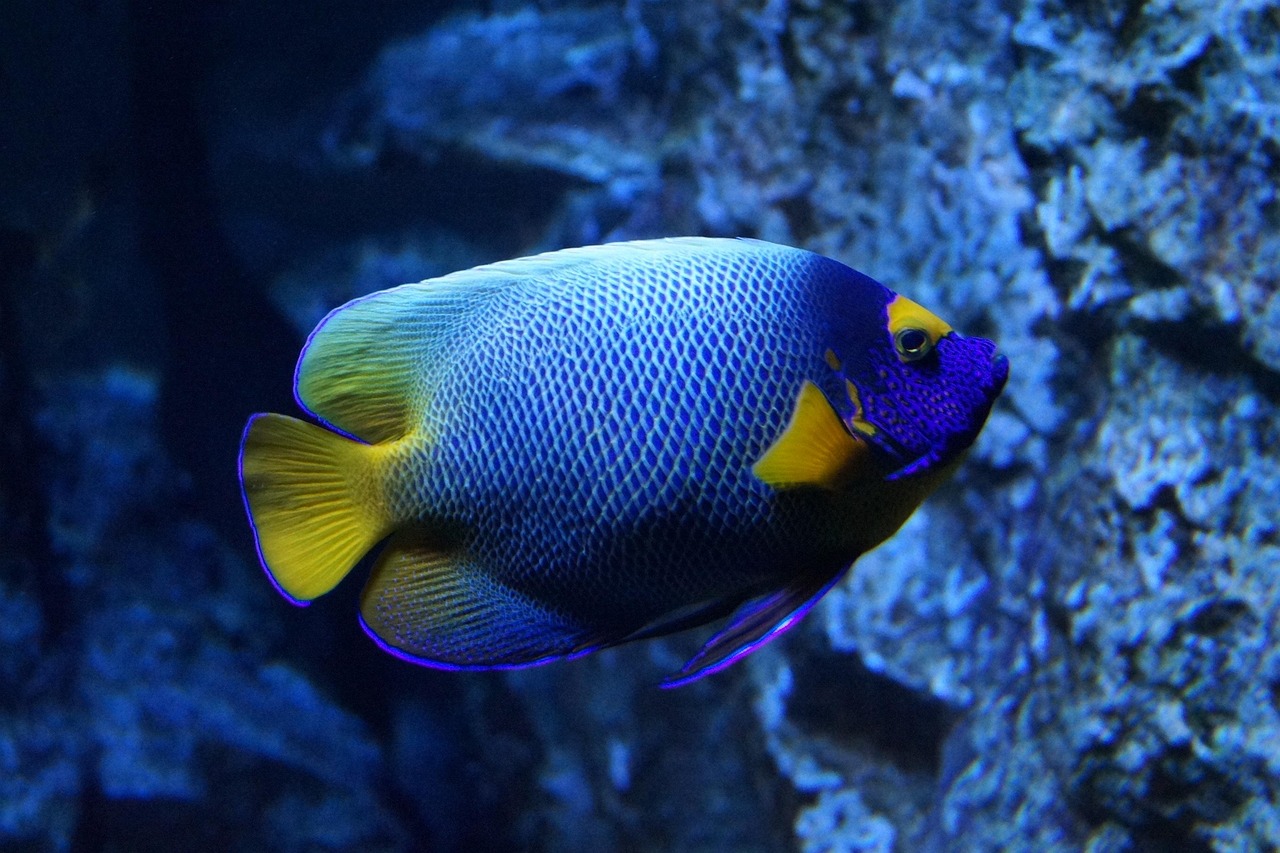
Stocking a community tank without checking compatibility is a recipe for aggression, stress, and losses. A fish compatibility chart printable guide gives you a quick visual reference before buying — something Gensou Aquascaping at 5 Everton Park, Singapore, hands to every customer planning a new setup. Understanding which species coexist peacefully and which will turn your tank into a war zone saves money, heartache, and fish lives.
How Compatibility Charts Work
A standard compatibility chart uses a grid format with species along both axes. Each intersection is marked as compatible, conditionally compatible, or incompatible. Conditional pairings depend on tank size, ratio of males to females, or the availability of hiding spots. No chart replaces observation — individual fish have personalities — but it provides a reliable starting point.
Print the chart and keep it in your fishkeeping notebook or pin it near your tank. Laminating it prevents water damage. When you spot an interesting fish at a local shop in Serangoon North or Clementi, a quick glance at the chart tells you whether it will work with your existing stock.
Peaceful Community Fish
The safest community combinations revolve around small, non-territorial species. Cardinal tetras, harlequin rasboras, Corydoras catfish, and otocinclus form a classic compatible group. All prefer soft, slightly acidic water — a natural match for Singapore’s PUB tap water. Add Amano shrimp and nerite snails for a cleanup crew that coexists with all of these species.
Livebearers like guppies, platies, and endlers are also peaceful, but they prefer slightly harder, more alkaline water (pH 7.0-8.0). Mixing them with soft-water tetras is possible but not ideal — one group will always be slightly outside its preferred range. Choose one water chemistry profile and stock accordingly.
Conditionally Compatible Pairings
Some combinations work only under specific conditions. Angelfish and neon tetras coexist when the angelfish are small, but mature angels often eat neons — their mouths grow large enough to swallow a 2 cm tetra whole. Dwarf gouramis and bettas are both labyrinth fish with overlapping territorial instincts; they may coexist in a heavily planted 120-litre tank but will fight in anything smaller.
Rams (Mikrogeophagus ramirezi) and Apistogramma species work in tanks of 80 litres or more with distinct territories defined by hardscape. In a 40-litre tank, the dominant pair will harass the subordinate pair relentlessly. Tank size is the single biggest factor in making conditional pairings succeed.
Incompatible Combinations to Avoid
Never house African cichlids with South American community fish. Mbuna from Lake Malawi are aggressive, territorial, and require hard, alkaline water — the opposite of what tetras and rasboras need. Oscars with anything they can fit in their mouths is a predictable disaster. Red-tail catfish (Phractocephalus hemioliopterus) grow to over 100 cm and eat tankmates up to half their size.
Fin-nipping species like tiger barbs should not be kept with slow-moving, long-finned fish such as bettas, fancy guppies, or angelfish. If you want tiger barbs, keep them in a species-only group of at least eight — a large group disperses aggression internally rather than directing it at tankmates.
Temperature and Water Parameter Overlap
Compatibility is not just behavioural — it is also environmental. White cloud mountain minnows prefer 16-22°C and will suffer in Singapore’s unheated tanks at 28-30°C. Discus need 28-32°C and ultra-soft water, which stresses most livebearers. Your fish compatibility chart printable guide should include a temperature and pH column for each species so you can cross-check environmental needs at a glance.
Stocking Density Matters
Even compatible fish become stressed and aggressive in overcrowded tanks. A conservative guideline is 1 cm of adult fish per 2 litres of actual water volume (after subtracting substrate and hardscape). For a 100-litre planted tank, that means roughly 40-50 cm of total adult fish length — perhaps 15 cardinal tetras (3 cm each) and six Corydoras (5 cm each).
Overstocking accelerates waste accumulation, strains filtration, and reduces dissolved oxygen. In Singapore’s warm water, oxygen saturation is already lower than in temperate climates, so conservative stocking is even more important. Surface agitation from your filter outlet helps — point it to break the water surface gently.
Building Your Own Chart
Start with the species you already own and add potential new additions one column at a time. Cross-reference each pairing using reliable databases like SeriouslyFish or PlanetCatfish. Local hobbyist groups on Facebook and forums are also valuable — Singapore aquarists have real-world experience with combinations that work in our specific water conditions. A personalised chart tailored to your tank is more useful than any generic version.
Related Reading



