
Aquarium for Yoga Studios: Flowing Water for Flowing Movement
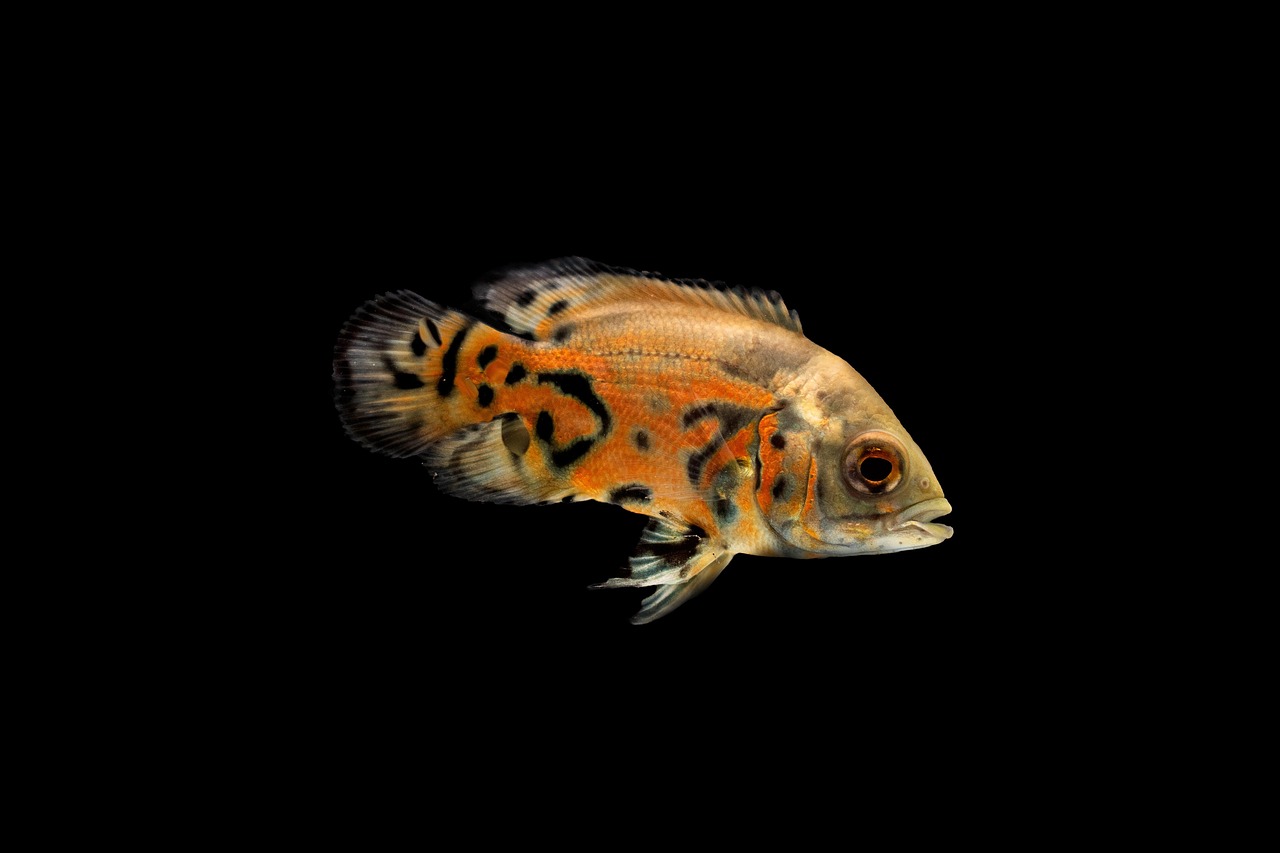
Water and yoga share a deep connection — both embody flow, stillness, and continuous change. An aquarium yoga studio guide setup creates a living focal point that enhances meditation, deepens savasana, and gives your studio a distinctive identity in Singapore’s competitive wellness market. Gensou Aquascaping at 5 Everton Park, Singapore, has designed aquatic installations for wellness spaces where the visual rhythm of fish and plants mirrors the rhythm of breath.
Placement for Maximum Mindfulness Impact
Position the aquarium where practitioners can see it during resting poses — ideally along the front wall at floor level or slightly elevated, visible from a lying or seated position. A long, low tank (120-150 cm wide, 30-40 cm tall) works better than a tall, narrow one. The horizontal orientation mirrors the panoramic field of vision during savasana and creates a sense of expansive calm.
Avoid placing the tank directly behind the instructor, where it becomes a distraction during active sequences. A side wall or reception area position lets students engage with the tank before and after class without competing for attention during practice. In compact Singapore studio spaces — often 40-80 square metres — a built-in wall installation preserves precious floor area.
Aquascape Design: Simplicity Over Complexity
Less is more. A minimalist iwagumi layout with three to five carefully placed stones, a low carpet of Eleocharis parvula or Hemianthus callitrichoides, and open swimming space conveys the tranquillity that a yoga environment demands. Avoid cluttered tanks packed with multicoloured plastic decorations — they create visual noise that undermines the calm you are trying to cultivate.
A blackwater or tannin-stained setup offers an alternative aesthetic — warm amber tones, floating botanicals, and subdued lighting create a meditative atmosphere reminiscent of a forest stream. Indian almond leaves and driftwood release tannins naturally, tinting the water golden brown. The soft, diffused light through tannin water has an almost candlelit quality.
Fish Selection: Slow, Graceful, Silent
Choose species that move slowly and predictably. Rummy-nose tetras (Hemigrammus rhodostomus) school in tight, synchronised formations — almost hypnotic to watch. Pearl gouramis (Trichopodus leeri) drift through plants with deliberate, unhurried grace. A small group of Corydoras adds gentle bottom activity without frenetic energy.
Avoid hyperactive species like danios or barbs that dart and chase constantly. Fast movement raises alertness — the opposite of what a yoga space needs. A single betta in a beautifully scaped nano tank is another excellent option: they move contemplatively, pausing to flare and display, then gliding forward with flowing finnage.
Silent Operation Is Essential
A yoga studio demands near-silence. Any equipment hum, bubble noise, or water splash will be noticed and will annoy both instructors and students. Use a canister filter (Eheim Classic or Oase BioMaster) that runs below audible levels. Eliminate air pumps entirely — they are incompatible with a meditative environment. Ensure the filter outlet is submerged to prevent splashing sounds.
Inline heaters and CO2 diffusers keep equipment out of sight and out of mind. In Singapore, heaters are often unnecessary, simplifying the setup. If CO2 is used for demanding carpet plants, a solenoid on a timer prevents audible gas flow during class hours. Every piece of equipment should be evaluated on noise output before purchase.
Lighting for Mood and Wellness
Programmable LED lighting allows you to match the tank’s ambience to the class schedule. Bright, full-spectrum light during energetic morning Vinyasa sessions transitions to warm, dimmed tones for evening Yin or restorative classes. A gradual 30-minute sunrise ramp as the studio opens creates a welcoming atmosphere for early arrivals.
Blue moonlight mode during meditation sessions provides enough visibility to appreciate the tank without illuminating the room. Many modern aquarium LEDs — the Twinstar or Chihiros series, widely available in Singapore — offer app-controlled colour temperature and intensity, making daily adjustments effortless.
Maintenance Without Disrupting Classes
Schedule maintenance during non-class hours — early mornings or late evenings. A fortnightly service visit covers water changes, glass cleaning, plant trimming, and equipment checks. Auto top-off systems handle evaporation between visits. Budget $120-$250 per month for professional maintenance in Singapore, depending on tank size.
An aquarium yoga studio guide installation succeeds when students barely notice the tank consciously but feel its calming presence throughout their practice. Like good background music, it shapes the environment without demanding attention. That balance — between presence and subtlety — is what distinguishes a well-designed wellness aquarium from a pet shop display.
Business Benefits for Studio Owners
Beyond atmosphere, an aquarium differentiates your studio on social media. Instagram-worthy tanks generate organic content as students photograph them. The investment — typically $2,000-$5,000 for a complete installation — compares favourably to other interior upgrades. Studios near Gensou Aquascaping have reported that the aquarium becomes a talking point in reviews, reinforcing the premium positioning that justifies higher class prices in Singapore’s saturated yoga market.
Related Reading
- Aquarium for Yoga Studios in Singapore: Flow and Focus
- Aquarium for a Music Studio: Visual Calm for Creative Flow
- Aquarium for Music Studios in Singapore: Rhythm and Reflection
- Aquarium for Nail Art Studios in Singapore: Polish and Poise
- Aquarium for Photography Studios in Singapore: Backdrops and Light



