
Best Electronic Auto Top-Off Systems for Aquariums
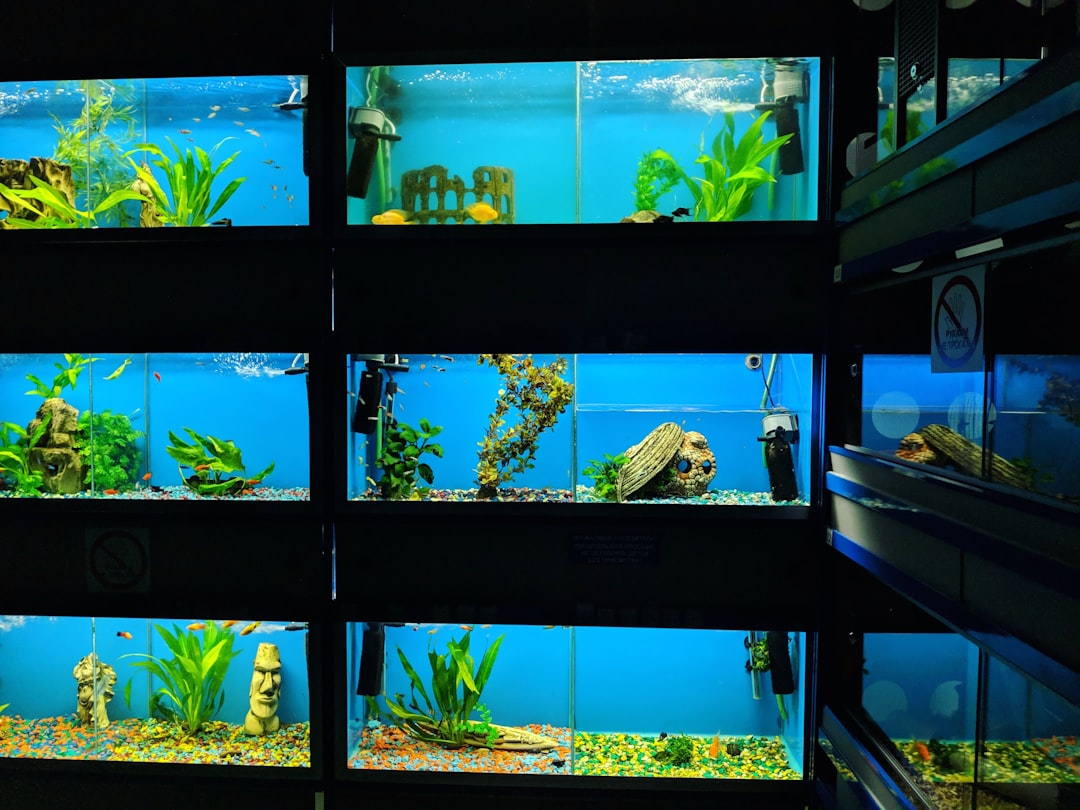
When precision matters — in reef tanks, shrimp breeding setups, or heavily stocked systems — an electronic auto top-off system delivers water level control that mechanical float valves cannot match. Finding the best electronic auto top off aquarium unit means balancing sensor accuracy, pump reliability, and fail-safe features. Gensou Aquascaping at 5 Everton Park, Singapore, has tested most major brands across freshwater and marine installations, and the differences between models are significant.
How Electronic ATO Systems Work
An electronic ATO uses a sensor — typically optical or conductivity-based — mounted at your desired water level. When the water drops below the sensor, a controller activates a small pump that draws fresh water from a reservoir into the tank or sump. Once the water reaches the sensor again, the pump stops. Most quality units include a secondary safety sensor and a maximum runtime timer to prevent overfilling if the primary sensor fails.
This active pumping approach means your reservoir can sit below, beside, or above the tank — no gravity feed required. That flexibility is a major advantage over float valves, especially in setups where cabinet space is limited or the sump is enclosed.
Top Electronic ATO Units for Singapore Hobbyists
The Tunze Osmolator 3155 is the gold standard. It combines an optical sensor with a conductivity backup sensor and includes a 10-minute safety timer. The included pump handles up to 2 metres of head height. Priced around $180-$220 in Singapore, it is premium but virtually bulletproof. Professional aquarists and reef keepers trust it for good reason.
The AutoAqua Smart ATO Micro offers excellent value at $80-$120. A single optical sensor with a built-in pump and adjustable safety timer makes it ideal for nano to medium tanks. Its compact size fits neatly in small sumps. The XP Aqua Duetto provides dual optical sensors and a separate pump for $100-$150, giving redundancy at a mid-range price. All three are available through local reef shops or Shopee.
Optical Versus Conductivity Sensors
Optical sensors use an infrared LED and receiver inside a prism. When water contacts the prism, it changes the light refraction, triggering the sensor. They are highly accurate and unaffected by water chemistry. The downside: salt creep, algae growth, or snail slime on the prism can cause false readings. Regular cleaning — a quick wipe with a cotton bud every two weeks — prevents this.
Conductivity sensors detect the presence of water by measuring electrical conductance between two probes. They are less prone to fouling but can be confused by mineral buildup or splashing. In Singapore’s soft freshwater, conductivity sensors work well. In marine tanks with higher salinity, they are reliable but need occasional descaling with vinegar.
Safety Features That Matter
The most critical safety feature is a maximum pump runtime limiter. If the sensor fails and reports low water indefinitely, the pump will run until the reservoir empties — potentially flooding your sump or crashing salinity in a marine tank. A runtime limiter (typically adjustable from 1-10 minutes) stops the pump after a set period and triggers an alarm. Never buy an electronic ATO without this feature.
A secondary backup sensor positioned 5-10 mm above the primary sensor provides an additional safety layer. If the primary fails and water rises above the target level, the backup sensor overrides the system and shuts off the pump. Dual-sensor units like the Tunze Osmolator and XP Aqua Duetto include this by default.
Reservoir Sizing and Water Preparation
Size your reservoir to last at least one week between refills. A 120-litre marine tank in an air-conditioned Singapore apartment may lose 3-5 litres daily through evaporation — so a 25-40 litre reservoir is practical. For freshwater tanks, dechlorinated tap water works as top-off. For marine and sensitive shrimp tanks, use RO/DI water exclusively to prevent TDS creep.
Mark the reservoir with a minimum fill line and check it weekly. An empty reservoir means the ATO pump runs dry, which can damage diaphragm pumps and leaves your tank without top-off protection. Some advanced setups add a low-level float switch in the reservoir that disables the ATO pump when water runs out.
Installation Tips
Mount the sensor in your sump’s return pump chamber, where the water level fluctuates the most and reflects actual system volume. Avoid mounting it in the overflow chamber or near the drain input, where turbulence and bubbles cause erratic readings. Secure the sensor firmly — a sensor that shifts position by even a few millimetres changes your water level set point.
Route the pump tubing neatly and secure it with clips to prevent kinking. A kinked tube restricts flow, causing the pump to run longer and potentially overheat. Keep the reservoir covered to prevent dust, insects, and evaporation from degrading your prepared water. The best electronic auto top off aquarium system is only as reliable as its installation — take the time to do it properly from the start.
Related Reading



