
Best Hang-On-Back Refugium Baskets for Aquariums
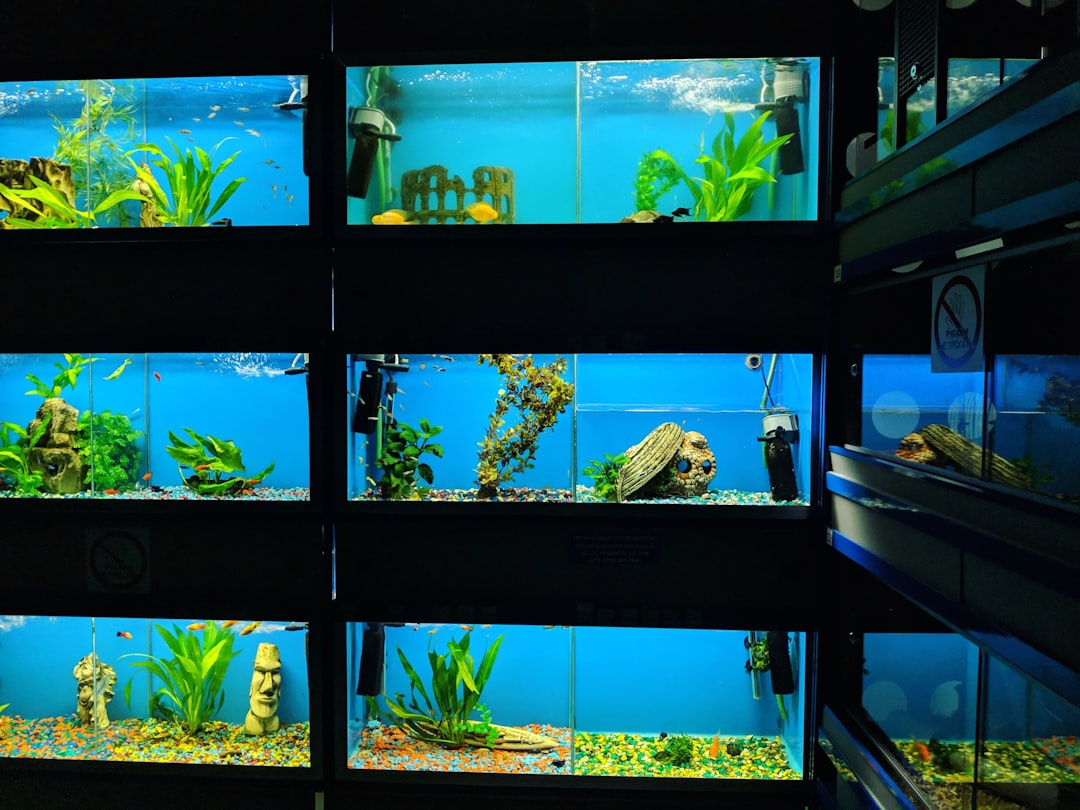
Not every aquarium has space for a sump, but every tank can benefit from a refugium. Hang-on-back refugium baskets clip onto your tank rim and provide a dedicated compartment for growing macroalgae, plants, or housing filter media — all without drilling or plumbing. Choosing the best HOB refugium basket aquarium accessory depends on your tank size, goals, and the species you want to cultivate. Gensou Aquascaping at 5 Everton Park, Singapore, recommends these units for hobbyists seeking natural nutrient export in compact setups.
What a HOB Refugium Does
A refugium is a protected growing space that sits outside the main display. In a hang-on-back format, water flows from the tank into the basket — either by gravity overflow or a small pump — passes through a growing medium where plants or macroalgae absorb nitrate and phosphate, and returns to the tank cleaner. The result is reduced algae pressure in your display, more stable water chemistry, and a secondary habitat for beneficial microfauna like copepods and amphipods.
For nano and medium tanks (20-120 litres), a HOB refugium is often more practical than a sump. It requires no cabinet space, no drilling, and installs in minutes. The trade-off is limited volume — most HOB refugiums hold 1-3 litres, so they supplement rather than replace proper filtration.
Top HOB Refugium Baskets
The CPR AquaFuge2 is one of the original hang-on refugiums and remains a solid choice for marine tanks. Available in small (for tanks up to 75 litres) and large (up to 200 litres) sizes, it includes an integrated pump and a built-in light clip. Prices in Singapore range from $80-$140 on Shopee or through specialist marine shops. Its acrylic construction is durable and clear, allowing light to reach macroalgae from multiple angles.
The Innovative Marine Nuvo Fusion refugium basket is a more compact, sump-chamber-style option designed for all-in-one tanks. For freshwater hobbyists, the Dennerle Nano Marinus ReefLight refugium basket and similar generic acrylic HOB baskets ($15-$30 on Lazada) work well for growing pothos roots, lucky bamboo, or emersed aquatic plants that absorb nutrients directly from the water column.
What to Grow in Your HOB Refugium
Marine hobbyists typically grow Chaetomorpha (chaeto) — a fast-growing, non-invasive macroalga that absorbs nitrate and phosphate aggressively. It requires moderate light (a small 6500K LED clip light is sufficient) and can be harvested weekly, physically removing nutrients from the system. Caulerpa species also work but can go sexual and release nutrients back into the water if stressed.
Freshwater refugiums benefit from fast-growing plants like pothos (Epipremnum aureum) with roots dangling in the water, or emersed growth of Hydrocotyle tripartita and Bacopa caroliniana. These plants grow faster with their leaves in Singapore’s humid air and roots in nutrient-rich tank water, stripping nitrate efficiently. The refugium also becomes a nursery for shrimp fry and small organisms that seed the main tank’s food web.
Flow Rate and Circulation
Too much flow washes organisms out of the refugium before they can colonise. Too little allows detritus to accumulate and go anaerobic. Aim for a gentle turnover of 5-10 times the refugium volume per hour. For a 2-litre HOB basket, that means 10-20 litres per hour — a small adjustable pump or the bleed from your main filter output provides this easily.
Some HOB refugiums include adjustable intake nozzles or flow baffles. Use these to slow the flow enough that macroalgae stays in place and copepods can establish populations. If using a powerhead to feed the refugium, choose a DC pump with fine flow control — the Jebao DCP series starts around $40 and offers precise adjustment.
Lighting Your HOB Refugium
Macroalgae and emersed plants need dedicated lighting. A 6500-7000K LED clip light ($15-$30 from local shops) provides the right spectrum for plant growth. Run it on a reverse photoperiod — lights on in the refugium when the display lights are off. This stabilises pH overnight, as the refugium plants consume CO2 during the display tank’s dark period, preventing the pH drop that occurs when all photosynthesis stops.
For the best HOB refugium basket aquarium results, keep the light running 10-12 hours on its reverse schedule. Monitor macroalgae density — if growth slows despite adequate light and nutrients, thin the mass to allow water flow through the remaining algae rather than around a packed clump.
Maintenance and Harvesting
Harvest fast-growing macroalgae or trim plant roots weekly to fortnightly. Each handful of chaeto or bunch of pothos roots you remove permanently exports the nitrogen and phosphorus those organisms absorbed. This is true nutrient export — unlike a filter that merely traps waste for later removal, a refugium converts dissolved nutrients into plant biomass that you physically discard.
Rinse the refugium basket monthly to remove accumulated detritus. Check the intake screen for blockages and clean the pump impeller if flow has diminished. A well-maintained HOB refugium adds meaningful biological filtration and nutrient control to any tank — a simple upgrade with outsized benefits, and one Gensou Aquascaping frequently recommends for clients who want cleaner water without the complexity of a full sump system.
Related Reading



