
Aquarium for Daycare Centres: Safe, Fun and Educational
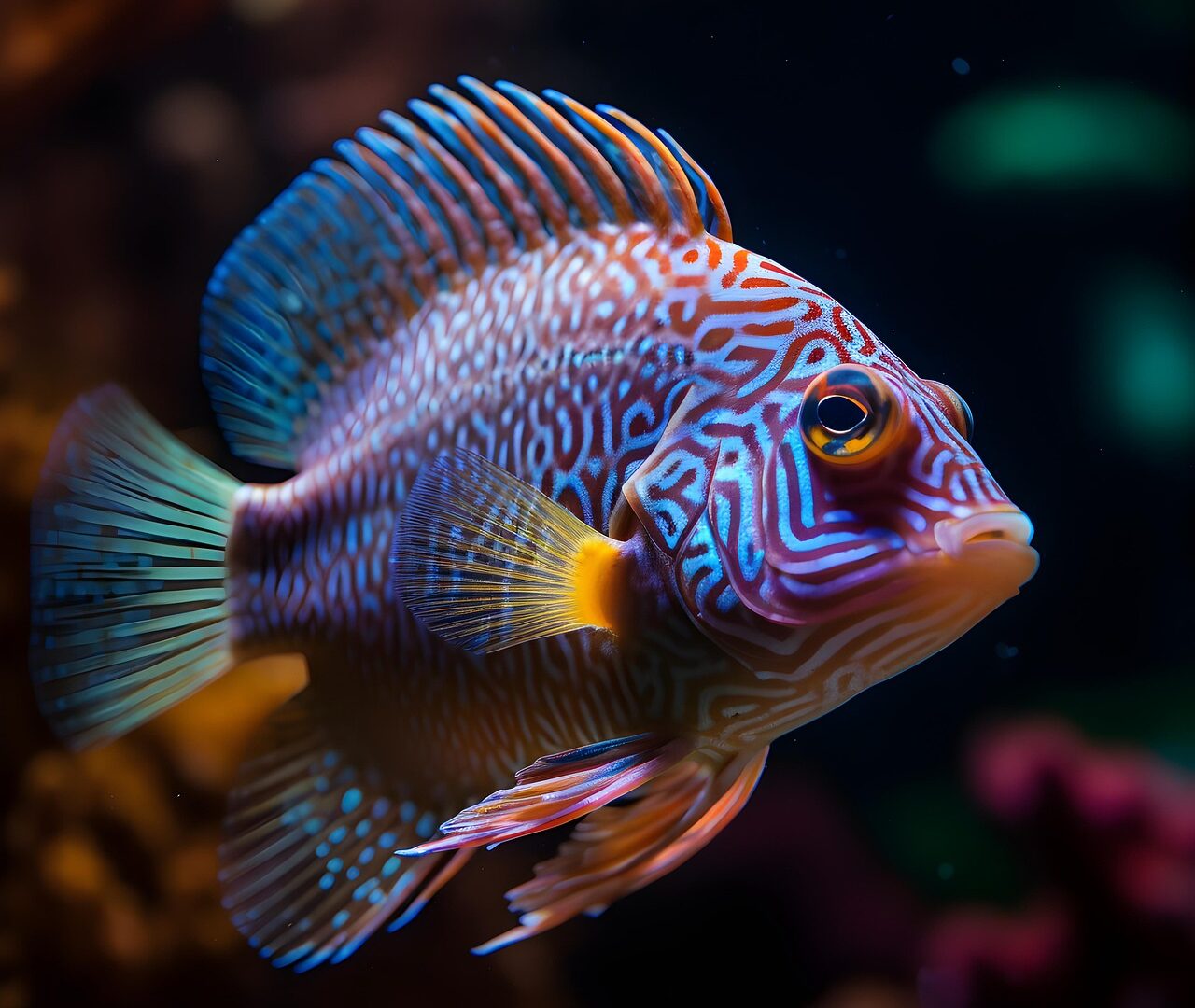
Children are captivated by fish. A well-placed aquarium in a daycare centre offers daily learning opportunities, sensory stimulation and a calming anchor during busy days. This aquarium daycare centre guide from Gensou Aquascaping at 5 Everton Park, Singapore, covers childproof tank design, species selection and how to turn the aquarium into an educational tool — all while keeping maintenance manageable for staff who already have their hands full.
Safety First: Childproofing the Tank
Young children will touch, tap, lean on and attempt to climb anything at their level. Mount the tank on a sturdy, wall-anchored cabinet that cannot tip. Use a fully sealed lid — no open-top rimless designs in a daycare setting. Ensure all electrical cables are concealed within cable raceways and sockets are positioned behind the cabinet, unreachable by small hands. Rounded cabinet corners eliminate a common head-bump hazard. In Singapore, ECDA-licensed centres must meet specific safety standards, so ensure the installation complies with your centre’s regulatory requirements.
Tank Size and Placement
A 90-120 litre tank is ideal — large enough to house colourful fish visible from across the room, yet compact enough for a classroom corner. Position it at children’s standing eye level (centre of the tank at approximately 70-80 cm from the floor) so they can watch without being lifted. Place it away from high-traffic pathways where running children might collide with the stand. A quiet reading corner or circle-time area works perfectly, combining the calming effect with structured observation time.
Species Children Love
Bright, active and visible fish hold young attention spans. Guppies offer dazzling colour variety and breed readily, giving children a front-row seat to the circle of life. Platies and swordtails are hardy, colourful and large enough (5-7 cm) for small eyes to track easily. A pair of honey gouramis adds gentle surface activity. Cherry shrimp fascinate children endlessly — their constant grazing and occasional darting movements prompt excited pointing and questions. Avoid delicate or aggressive species entirely.
Building an Educational Programme Around the Tank
Assign fish-related tasks to different age groups. Older children (5-6 years) can help measure food with a tiny spoon under supervision — teaching responsibility and numeracy. Weekly “fish observation” sessions where children draw what they see develop fine motor skills and scientific observation. Create a simple chart tracking fish behaviour: “Are the guppies near the top or bottom today?” Even basic water change demonstrations teach cause and effect. The aquarium becomes a living classroom that reinforces Singapore’s MOE kindergarten curriculum themes of discovery and nature.
Low-Maintenance Setup for Busy Staff
Daycare staff have enough responsibilities without complex tank maintenance. Use hardy, low-tech plants — Java fern, Anubias barteri and Cryptocoryne wendtii — that thrive without CO2 or high-intensity lighting. An auto-feeder ensures consistent daily meals even during school holidays. A canister filter with a three-month media replacement cycle minimises hands-on servicing. Choose a dark substrate that hides detritus between water changes, keeping the tank looking clean even during the busiest weeks.
Hygiene and Allergy Concerns
Ensure children wash hands after any tank interaction, even if they only touched the glass exterior. Fish tank water contains bacteria that are harmless to fish but can cause mild gastric upset if ingested by toddlers. Keep a hand sanitiser station near the tank. For children with shellfish allergies, fish food can occasionally trigger a reaction — store food in a sealed container in a staff-only area. Use a fitted lid to prevent small objects (toys, crayons, snack items) from being dropped into the water by curious toddlers.
Costs and Professional Maintenance
A complete daycare-ready setup — tank, childproof cabinet, filter, lighting, plants and livestock — runs $600-1,200 in Singapore. Monthly professional maintenance from Gensou Aquascaping, including water changes, glass cleaning, plant trimming and health checks, costs $100-200 depending on tank size. For centres that prefer to manage in-house, a 15-minute weekly routine of topping up water, wiping glass and checking equipment is all it takes. An aquarium daycare centre is a modest investment that pays dividends in enriched learning experiences and a calmer classroom environment.
Related Reading



