
How to Aquascape for Paradise Fish: Hardy Plant Choices
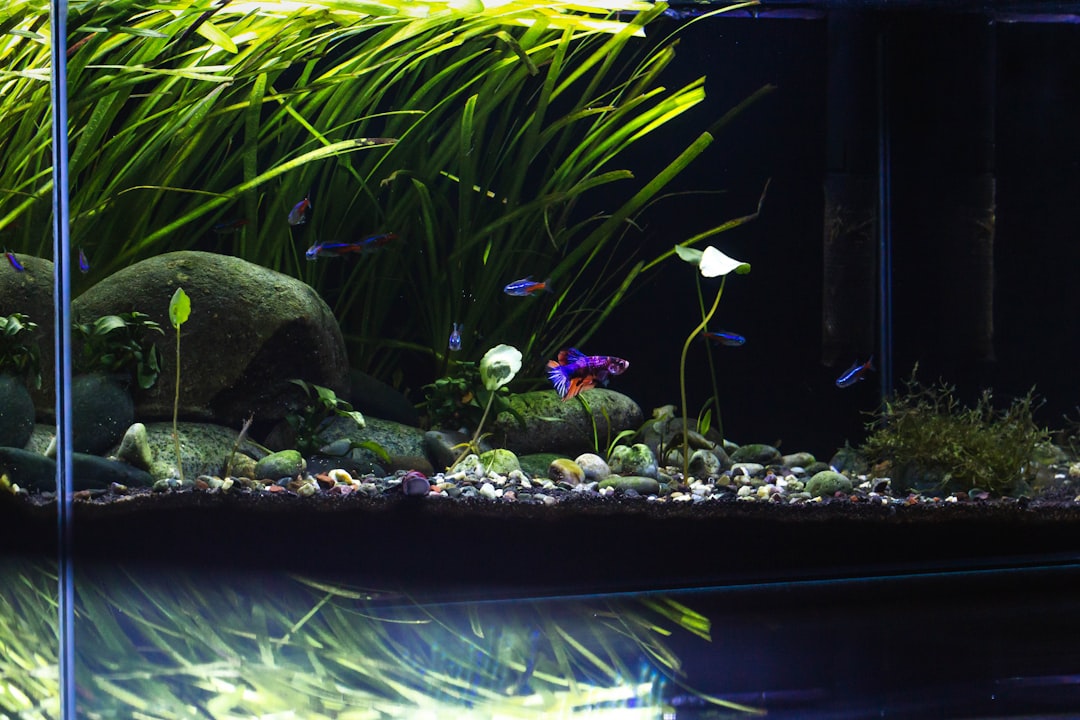
Paradise fish (Macropodus opercularis) are among the oldest ornamental fish in the hobby, yet their aquascaping needs are often overlooked. These bold, territorial labyrinth breathers need line-of-sight breaks, surface access for bubble nests, and plants tough enough to survive their occasional rough handling. This aquascape paradise fish tank guide from Gensou Aquascaping at 5 Everton Park, Singapore helps you build a layout that keeps your fish calm, colourful and thriving.
Understanding Paradise Fish Behaviour
Males are territorial and will chase tankmates relentlessly in an open tank. Dense planting and hardscape barriers interrupt sight lines, reducing aggression to manageable levels. Paradise fish are also surface breathers that build bubble nests among floating plants. They tolerate a wide temperature range (16-28 degrees C), making them comfortable in Singapore’s ambient conditions without any heating or cooling. Their hardiness extends to water chemistry; pH 6.0-8.0 and GH 2-20 are all acceptable, which means PUB tap water works straight from the dechlorinator.
Tank Size and Shape
A single male with two or three females does well in a 60 cm tank (roughly 60 litres). For a community including dither fish, step up to 90 cm or longer. Depth is less critical than footprint, since paradise fish spend most of their time in the upper half of the water column. A standard 60 x 30 x 36 cm or 90 x 45 x 45 cm tank provides plenty of horizontal territory for planting zones and open swimming areas.
Creating Sight Breaks With Hardscape
Position two or three clusters of tall driftwood or stacked stone to divide the tank into semi-separate zones. Spider wood branches reaching toward the surface work exceptionally well, as they create natural barriers without blocking water flow. Each zone gives a subordinate fish somewhere to retreat where the dominant male cannot see it. Avoid a single massive centrepiece that forces fish to swim around it predictably; multiple smaller barriers create more escape routes.
Hardy Plant Choices That Survive Paradise Fish
Paradise fish occasionally nip at soft-leaved plants, so choose tough species. Anubias barteri and Anubias nana are nearly indestructible and can be attached to wood or stone. Java fern (Microsorum pteropus) tolerates low light and rough treatment. Cryptocoryne wendtii and Cryptocoryne beckettii fill the midground with minimal care and bounce back quickly from any damage. For background height, Vallisneria spiralis grows fast enough to replace any torn leaves within days. All of these thrive without CO2 in Singapore’s soft, warm tap water.
Surface Cover for Bubble Nests
Floating plants are essential. Salvinia minima, Limnobium laevigatum (Amazon frogbit), or even Pistia stratiotes (water lettuce) provide the calm surface zone that males use to anchor bubble nests. Keep floaters to about half the surface area so light still reaches submerged plants. A floating plant corral made from airline tubing bent into a ring confines them to one area, leaving the rest of the surface open for gas exchange and feeding. Males will reliably choose the sheltered corner under the floaters for nest building.
Substrate and Fertilisation
An inert sand or fine gravel substrate works well for a low-tech paradise fish tank. Layer it 3-5 cm deep and add root tabs beneath crypts and vallisneria every two months. If you prefer aquasoil for a more planted look, any standard brand handles the job. Liquid fertiliser dosed once or twice a week at half the recommended rate prevents deficiency without encouraging algae in a low-CO2 setup. Keep things simple; this is a layout designed for fish behaviour, not a high-tech plant showcase.
Tankmates and Stocking
Paradise fish coexist with fast, mid-water schooling species that do not resemble other labyrinth fish. White cloud mountain minnows, harlequin rasboras, and zebra danios all move quickly enough to avoid harassment. Avoid slow-moving, long-finned fish like guppies or bettas; they will be attacked. Corydoras catfish make peaceful bottom dwellers that stay out of the paradise fish’s preferred zone. Snails like nerite or mystery snails are generally ignored and help with algae control.
Bringing It All Together
The ideal paradise fish aquascape balances dense planted zones with open swimming lanes and a partially covered surface. Think of it as a room with furniture rather than an empty hall. Each cluster of plants and wood defines a territory, reduces stress, and encourages natural behaviour including courtship displays and nest building. Gensou Aquascaping has designed paradise fish setups for hobbyists who want a low-maintenance, visually engaging tank that showcases one of the hobby’s most historically significant species.
Related Reading



