Aquascaping With Vallisneria Spiralis Only: Tall Grass Curtain
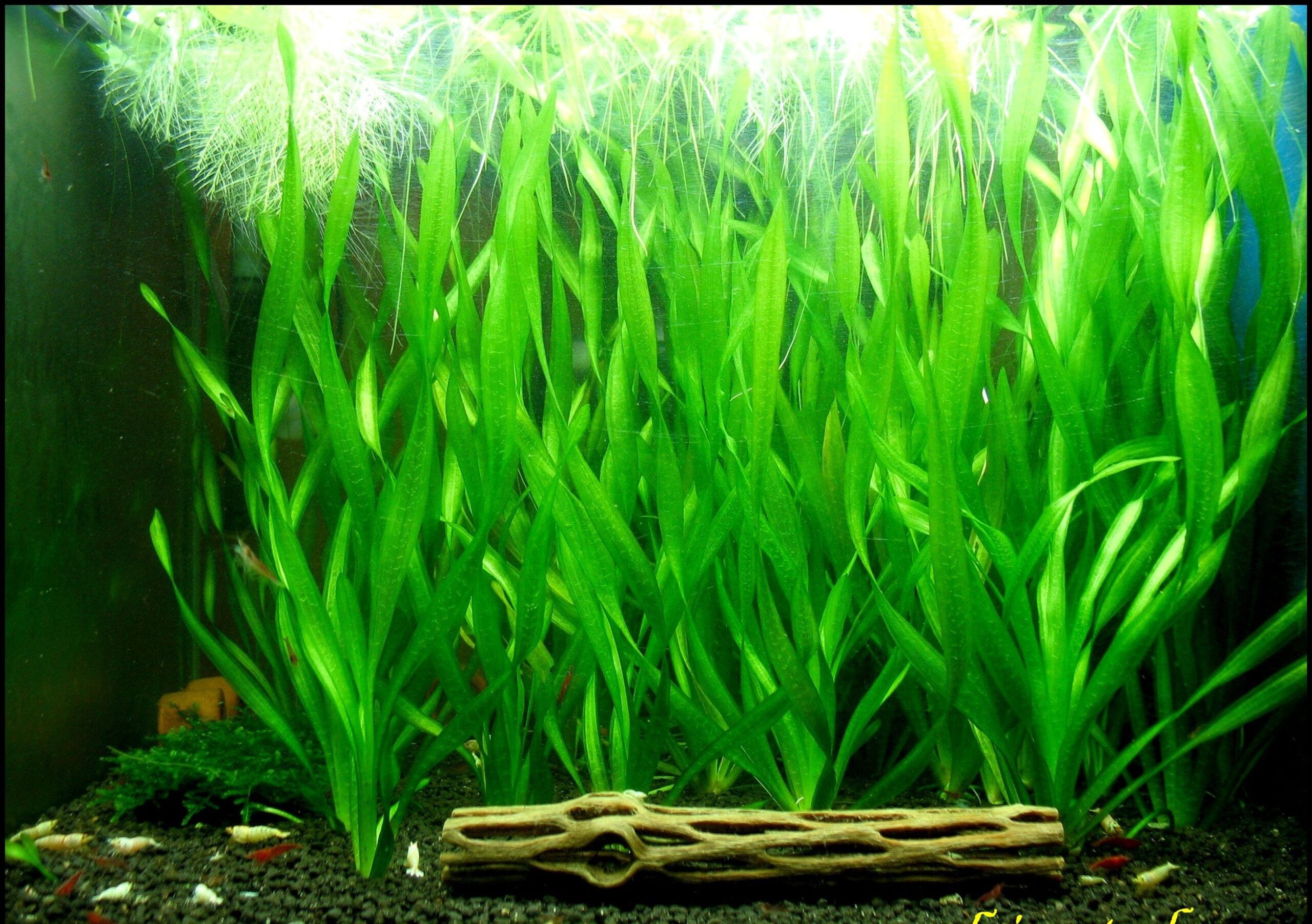
Few aquascaping approaches are as visually commanding or as forgiving to maintain as a tank built entirely around Vallisneria spiralis. The long, ribbon-like leaves move constantly with water flow, creating a living curtain that transforms the background of any aquarium into something that looks genuinely underwater rather than simply filled with water. Aquascaping with Vallisneria spiralis only strips the concept back to its essentials — one plant, well-grown, doing what it does naturally. At Gensou Aquascaping at Everton Park, Singapore, single-species planted tanks are among the most striking displays we build for clients who want impact without complexity.
Why Vallisneria Works as a Monoculture
Vallisneria spiralis spreads readily through runners, fills background space densely over time, and tolerates a very wide range of water conditions — including the moderately hard, slightly alkaline tap water that emerges from Singapore’s PUB system. Unlike most aquatic plants, it actually prefers moderate hardness and a pH of 6.5–8.0, making it unusual in the planted tank world where soft, acidic water is generally favoured.
Its neutral requirements mean no expensive RO water, no CO2 injection is strictly necessary, and no precise trace element dosing regime is required. This makes it an accessible choice for hobbyists who want a genuinely beautiful plant tank without the infrastructure cost of a high-tech setup.
Tank Shape and Proportions
Tall tanks suit Vallisneria perfectly — the leaves of V. spiralis reach 40–80 cm in length, and in shorter tanks they simply fold at the surface and become a tangled mess. A tank of at least 40 cm depth is the practical minimum. Standard 60 cm tall aquariums and the increasingly popular 45 cm cube tanks with a 60 cm depth work well, letting the leaves reach their natural extension without cramping.
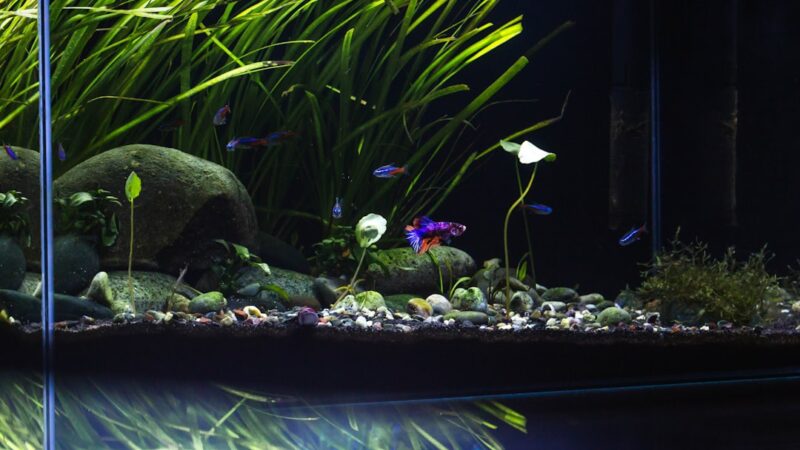
The plant works best as a background element — planted in a dense block across the rear two-thirds of the tank, with open substrate foreground allowing fish and the flow of the leaves to be the visual centrepiece. A simple bed of fine sand or a thin layer of dark substrate provides contrast.
Planting and Initial Setup
Purchase bare-root or potted V. spiralis from aquarium shops — it is among the least expensive aquatic plants available, typically $2–$5 per bunch, and widely stocked. Plant in groups of three to five stems spaced 3–5 cm apart, with the crown (the junction of roots and leaves) just at or slightly above substrate level. Burying the crown causes rot; planting too shallowly means the plant uproots easily.
A nutrient-rich substrate is beneficial but not essential — Vallisneria is a root feeder and benefits from root tabs placed every 15 cm throughout the planting zone. In Singapore’s ambient heat at 28–30°C, growth is rapid compared to temperate climates: expect new runner plants within four to six weeks of planting, and a full background coverage within three to four months.
Flow Direction and the Curtain Effect
The signature aesthetic of a Vallisneria-only tank is the leaf movement. Position your filter return or a powerhead so that flow moves horizontally across the planted background — the leaves should undulate in a gentle, consistent wave. Turbulent multi-directional flow creates a chaotic tangle of leaves that looks messy rather than dramatic. Aim for gentle laminar flow at low velocity: enough to move the leaves continuously without thrashing them.
For maximum visual effect, allow the leaves to reach the surface and lie flat, then gently drape over in the current. This layered effect — tall leaves from the back flowing forward — creates the impression of a vast underwater meadow in even a modest 90-litre tank.
Lighting Requirements
Vallisneria is not demanding on light. A standard LED fixture providing around 20–30 µmol/m²/s PAR at substrate level is adequate for healthy growth. Stronger light simply accelerates growth and runner production without improving leaf quality. If algae appears on the leaves, reduce the photoperiod to eight hours rather than reducing intensity — Vallisneria is susceptible to certain algae types under high-nutrient, low-flow conditions.
Maintenance and Long-Term Management
Established Vallisneria spreads aggressively. Thin the colony every four to six weeks by pulling excess runner plants and replanting where density is low. Leaves that yellow or develop brown tips should be trimmed at the base — do not cut midway down the leaf, as cut ends die back and look untidy. With regular thinning and occasional root-tab fertilisation, a Vallisneria monoculture is one of the lowest-effort planted tank styles available, requiring far less intervention than a complex multi-species layout.
Pair it with a school of slender-bodied fish that complement the vertical aesthetic — Melanotaenia rainbowfish, hatchetfish, or rummy-nose tetras — and the result is a tank that looks effortlessly natural and requires a fraction of the maintenance of a high-tech planted aquascape.
Related Reading