Best Bulkhead Fittings for Aquarium Plumbing
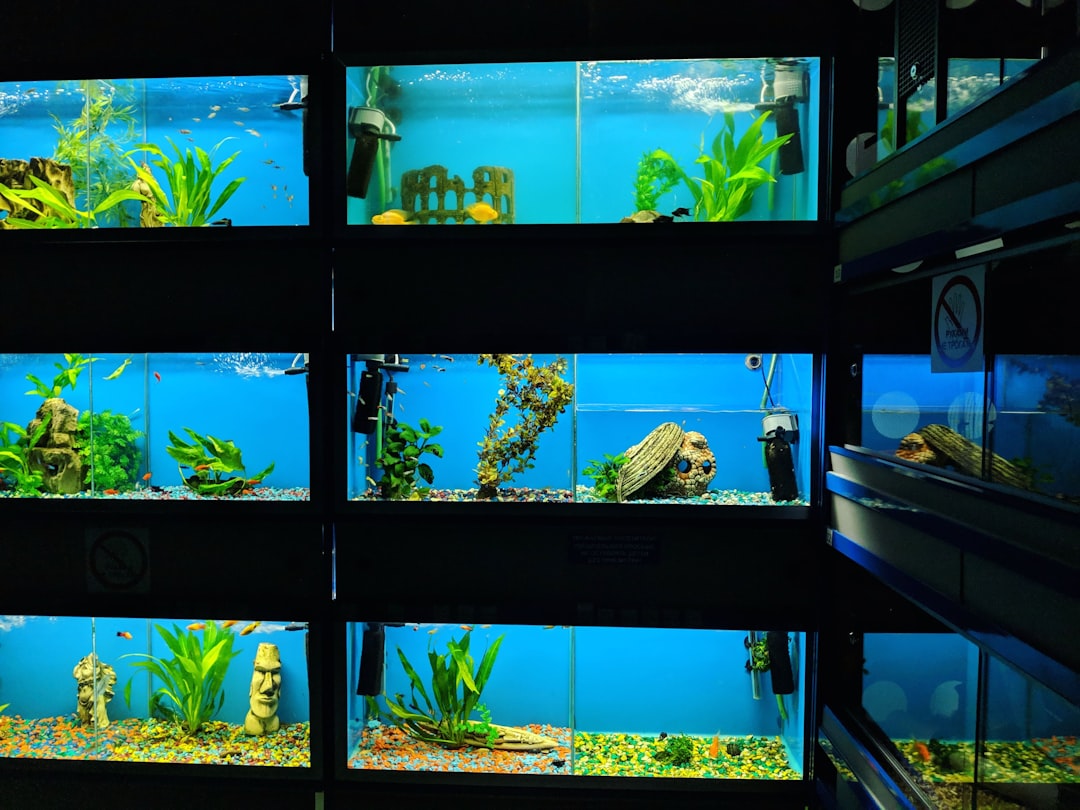
Every sump-based aquarium system depends on a single, unglamorous component to keep water flowing safely from tank to sump and back: the bulkhead fitting. Pick the wrong material or size, and you are one loose gasket away from a flooded cabinet. Finding the best bulkhead fitting for your aquarium means matching bore diameter, thread type, and gasket quality to your specific plumbing layout. Gensou Aquascaping in Singapore has plumbed dozens of custom sump systems, and these are the fittings we trust.
Anatomy of a Bulkhead Fitting
A bulkhead consists of two threaded halves that sandwich the glass panel with a rubber gasket in between. The inside half sits flush with the tank wall, while the outside half tightens from the rear. Proper compression of the gasket creates a watertight seal without over-stressing the glass. Most aquarium bulkheads use slip (socket) connections on one or both ends for easy plumbing with PVC pipe and solvent cement.
Choosing the Right Size
For tanks under 200 litres, a 20 mm (3/4-inch equivalent) bulkhead handles typical overflow rates comfortably. Tanks between 200 and 500 litres usually need a 25 mm fitting, while large setups above 500 litres benefit from 32 mm or even dual 25 mm bulkheads to avoid flow restriction. Always size your bulkhead for the drain — the return line can be one step smaller since the pump controls flow rate.
Material Matters: PVC vs ABS vs Glass
PVC bulkheads dominate the hobby because they are cheap, chemically inert, and widely available. ABS fittings look similar but are slightly more impact-resistant, which helps during installation. Glass bulkheads exist for high-end rimless displays where aesthetics matter — they are nearly invisible but cost five to ten times more and crack if over-tightened. For most hobbyists, schedule-40 PVC is the practical choice.
Top Picks for Singapore Hobbyists
The Ista Bulkhead Fitting in 20 mm and 25 mm is a reliable staple, stocked at most local fish shops for $6-10. The included EPDM gasket seals well against standard aquarium glass. For larger builds, Lifegard Aquatics bulkheads available on Lazada offer thicker flanges and double-gasket options that provide extra peace of mind on 12 mm glass panels. Budget-conscious hobbyists sometimes source generic PVC bulkheads from hardware shops like Horme or Selffix — just verify the gasket is aquarium-safe and not a generic industrial rubber that may leach plasticisers.
Installation Tips
Hand-tighten the nut until the gasket compresses evenly, then give it a quarter-turn with a strap wrench. Over-tightening is the most common cause of cracked glass around overflow holes. Apply a thin bead of aquarium-safe silicone around the gasket as insurance, then let it cure for 24 hours before filling the tank. Test the seal with the sump running for a full day before adding livestock.
Preventing Leaks Over Time
EPDM gaskets can degrade after three to five years, especially in Singapore’s warm, humid conditions. Inspect your bulkhead seals annually during major maintenance. If you spot any chalky white residue or feel the nut has loosened, drain the tank below the fitting, replace the gasket, and re-tighten. Keeping a spare gasket set in your maintenance kit saves a frantic late-night trip to the hardware store.
Reducing Noise From Drain Bulkheads
A bare overflow drain creates a gurgling vortex that can be surprisingly loud in an HDB bedroom. Fitting a Durso standpipe or a Herbie-style dual drain inside the overflow box eliminates most noise. The bulkhead itself contributes to sound transmission if it vibrates against the glass — a thin foam washer behind the outer nut dampens this effectively without compromising the seal.
Related Reading