Aquascaping With Cabomba Only: Feathery Green Towers
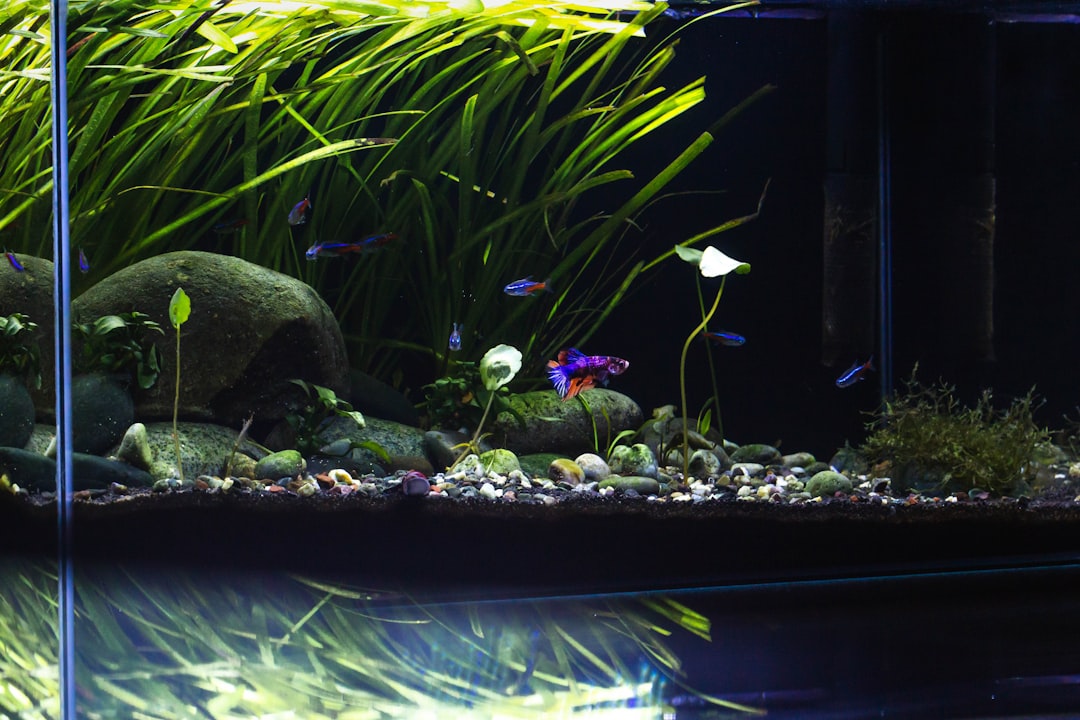
Few aquatic plants create vertical drama quite like Cabomba — its fine, fan-shaped whorls stack upward like emerald towers, swaying gently in the current. An aquascape using Cabomba only embraces that single-species impact, filling the tank with dense feathery columns that filter light beautifully. This guide from Gensou Aquascaping in Singapore walks you through making a mono-species Cabomba tank work, from planting technique to long-term maintenance.
Why a Single-Species Approach
Mono-species aquascapes strip away visual noise and let one plant’s form speak for itself. With Cabomba caroliniana or Cabomba furcata, you get a forest of feathery stems that creates a sense of depth and movement no mixed planting can replicate. The uniform texture is meditative — especially when a school of small tetras weaves through the stems. It is also simpler to manage than a multi-species layout, since every plant in the tank shares the same nutrient and light requirements.
Choosing Your Cabomba Species
Cabomba caroliniana is the most widely available and forgiving variety. Its bright green whorls grow quickly under moderate light and tolerate a range of water conditions. Cabomba furcata (red Cabomba) offers stunning reddish-purple tones but demands high light, CO2 injection, and iron-rich fertilisation — it is noticeably harder to keep. For a first mono-species tank, start with C. caroliniana and consider adding C. furcata as a contrasting accent once you have the conditions dialled in.
Planting Technique
Cabomba stems are fragile at the nodes. Plant each stem individually, pushing the lowest 3-4 cm into a fine-grain substrate like aqua soil or sand capped with a thin nutrient layer. Avoid bunching — crushed stems rot at the base and float up within days. Space stems 2-3 cm apart in a grid pattern for even growth. In a 60 cm tank, 30-40 stems creates a convincingly dense forest within four to six weeks.
Weight the stems gently with plant anchors if they refuse to stay put. Once roots develop in one to two weeks, the anchors can be removed.
Lighting and CO2
Moderate to high lighting — 40-60 PAR at substrate level — keeps Cabomba compact and bushy. Insufficient light causes leggy growth and bare lower stems as the plant stretches upward. CO2 injection at 20-30 ppm dramatically improves colour, density, and growth rate. Without CO2, C. caroliniana still grows but tends to become thin and pale. In Singapore’s warm water (26-30°C), metabolism is high, so nutrient uptake is fast — dose a comprehensive liquid fertiliser two to three times per week.
Trimming for Density
Cabomba grows rapidly — 5-10 cm per week under good conditions. Trim by cutting stems halfway down and replanting the healthy tops. Discard the lower portion if it looks bare or brown. This perpetual cycle of trim-and-replant keeps the display full from substrate to surface. Without regular trimming, lower portions shade out and shed their whorls, leaving you with a canopy floating on bare sticks.
Water Parameters
Slightly acidic to neutral water (pH 6.0-7.0) with soft to moderate hardness (GH 3-8) suits Cabomba well. Singapore’s PUB tap water falls naturally within this range after dechlorination. Temperature of 24-28°C is ideal — no heater needed in most local setups, though a fan helps prevent temperatures climbing above 30°C in un-air-conditioned rooms during the hottest months.
Fish Companions
Small, peaceful species complement the delicate aesthetic. Ember tetras (Hyphessobrycon amandae), green neon tetras (Paracheirodon simulans), and Boraras brigittae all look spectacular weaving between Cabomba stems. Avoid plant-nipping species like Buenos Aires tetras or large barbs — they will shred the fine leaves overnight. A small group of Otocinclus helps manage any algae that settles on the feathery whorls.
Maintaining the Mono-Species Look
An aquascape with Cabomba only requires consistent weekly maintenance: trim, replant tops, dose fertiliser, and check CO2 levels. It rewards that effort with a tank that looks like an underwater forest — light filtering through countless feathery layers in shades of green. Gensou Aquascaping Singapore has sourced healthy Cabomba bunches locally for clients who want this look, and the transformation from bare tank to dense jungle happens in under two months.
Related Reading