
Trident Java Fern Care Guide: Narrow Forked Fronds for Low Tech
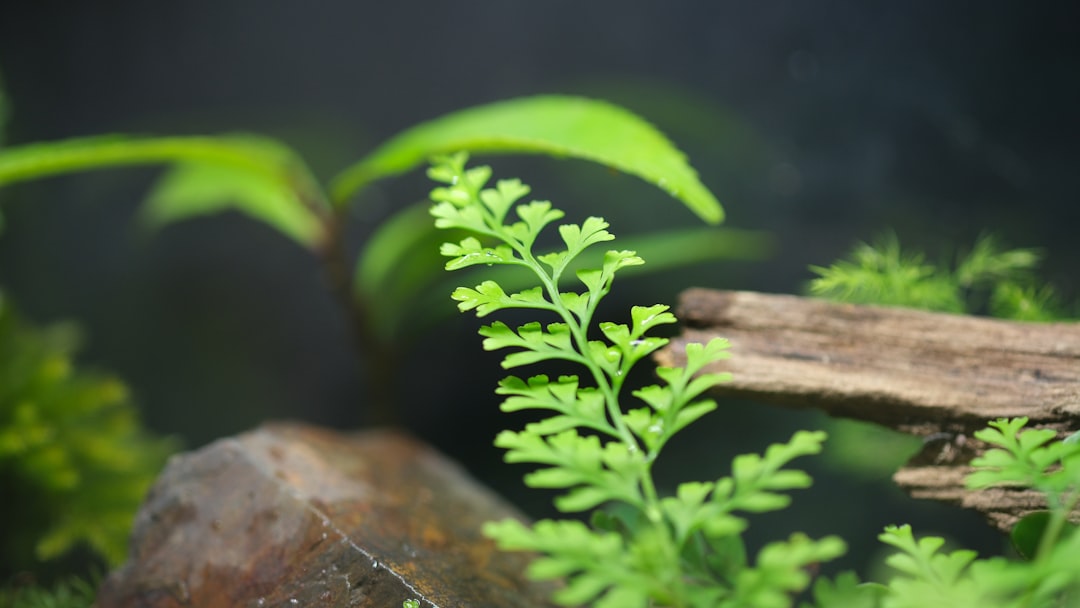
Among the many Microsorum pteropus varieties cultivated for aquariums, the Trident form is arguably the most distinctive — its deeply forked fronds, branching into three to five narrow points, create a texture unlike anything else available in the low-tech plant category. A thorough trident java fern care guide is straightforward because this plant is genuinely undemanding, but understanding its specific preferences separates a thriving specimen from one that merely survives. This guide is based on hands-on growing experience from Gensou Aquascaping at 5 Everton Park, Singapore. This guide sits inside our broader Planted Tank Complete Hub reference.
Appearance and Growth Characteristics
Trident Java Fern (Microsorum pteropus ‘Trident’) produces fronds typically 15–25 cm long, each ending in three to five narrow pointed lobes. Frond colour is deep forest green with a slightly leathery surface texture that catches light differently to broader Microsorum varieties. Growth speed is slow — one to two new fronds per month under standard conditions — which means positioning matters enormously. Place it where it will stay, as repeated uprooting and repositioning stresses the plant and sets growth back by weeks each time.
Like all Java fern varieties, Trident grows from a rhizome — a horizontal stem from which fronds emerge upward and roots downward. The rhizome must never be buried in substrate; doing so causes rot within days.
Light Requirements
Trident Java Fern is one of the hobby’s few truly low-light aquatic plants. It grows in 10–25 PAR — the illumination levels found under heavy plant canopy or in shade from hardscape. This makes it ideal for low-tech tanks, tanks with dimmed lights, and positions deep in an aquascape where light penetration is poor. Under higher light (50+ PAR), growth may marginally increase, but so does the risk of algae colonising the slow-growing frond surface. Shade or indirect light consistently produces cleaner fronds.
No CO₂ injection is needed, and dosing CO₂ provides minimal benefit compared to demanding stem plants. A weekly dose of liquid fertiliser provides sufficient nutrients; heavy dosing is counterproductive and promotes algae without meaningful growth improvement.
Water Parameters and Singapore Suitability
Trident Java Fern tolerates an exceptionally wide range: pH 6.0–7.5, GH 2–15 dGH, temperature 22–28°C. Singapore’s soft, slightly acidic PUB tap water at GH 2–4 is perfectly suitable without any adjustment. The plant’s tolerance of a wide temperature range means it works in both tropical community tanks and cooler hillstream setups. In the Singapore climate without air conditioning, ambient room temperatures of 28–30°C are acceptable for sustained growth, though cooler water marginally increases frond longevity before they decline and reproduce.
Attaching to Hardscape
Rhizome attachment to driftwood or rock is the standard mounting method, identical to regular Java fern. Black cotton thread, thin fishing line, or cyanoacrylate gel adhesive (super glue — the plain gel type, which is safe once cured in water) all work reliably. Position the rhizome along the wood surface with roots pressed against it; given 4–6 weeks, the roots will grip the wood naturally and the attachment material can be removed or left to degrade. Cyanoacrylate is particularly clean for precise positioning where threading would disturb neighbouring plants.
Propagation via Rhizome Division
Divide Trident Java Fern when the rhizome carries at least six healthy fronds and extends 8–10 cm in length. Use sharp scissors to cut between frond groupings; each division needs a minimum of three fronds and an intact rhizome section to establish successfully. Divisions replanted on fresh driftwood begin producing new fronds within six to eight weeks in stable, warm water. The plant’s slow growth means propagation intervals are long — a plant divided today will not be ready to divide again for 12–18 months.
Adventitious Plantlets
Older fronds develop small plantlets along their margins and undersides — a form of vegetative reproduction that is the plant’s primary natural propagation strategy. These plantlets, 1–3 cm long with two to four tiny fronds and visible roots, can be separated and attached to hardscape once roots reach 1–1.5 cm. In a healthy low-tech tank with stable conditions, fronds producing these plantlets are a sign that the parent plant is well-established and content. Leave them attached until they are large enough to survive independently rather than removing them prematurely.
Troubleshooting Common Problems
Black or brown spots on frond surfaces indicate either excessive light causing algae formation, or the plant’s own reproductive spore development — the latter is normal and circular in shape, appearing on older fronds as part of the fern life cycle. Yellowing fronds suggest nutrient deficiency (most commonly nitrogen) — increase liquid fertiliser frequency. Transparent or glassy fronds at the tip indicate physical damage or very sudden water parameter changes; trim affected sections and allow healthy fronds to grow forward. This trident java fern care guide covers the full range of issues — and reassuringly, most of them resolve themselves with stable water and consistent maintenance.
Related Reading



