
Copper Deficiency in Aquarium Plants: Pale Tips and Weak Stems
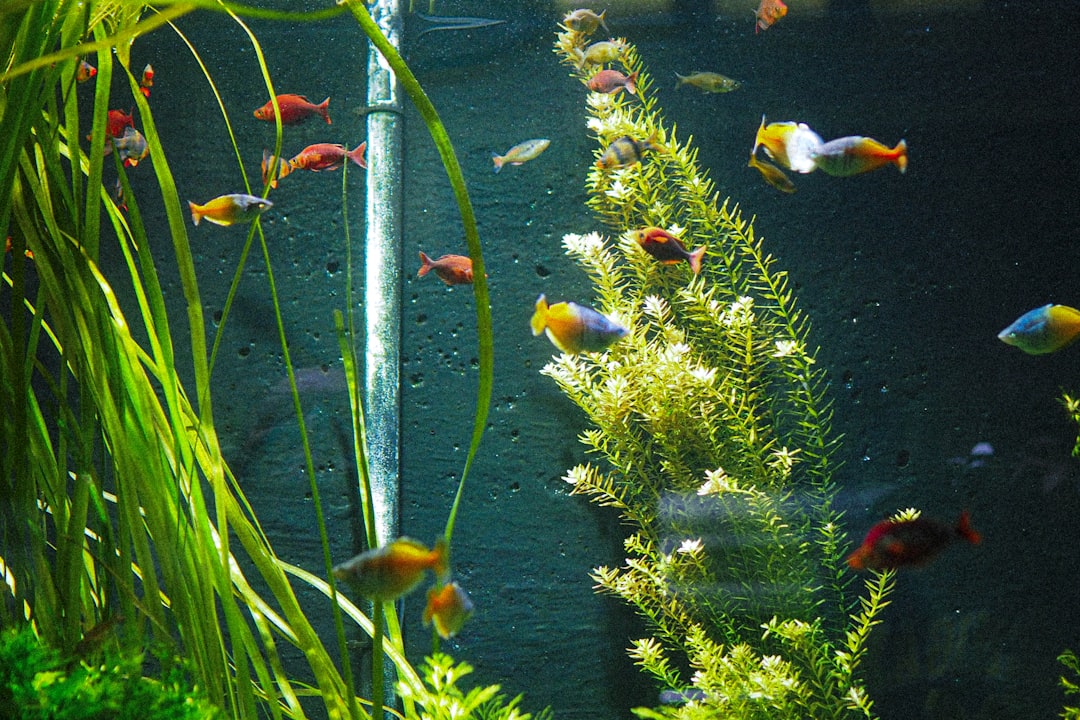
Copper is one of those micronutrients that planted tank keepers rarely think about until something goes visibly wrong — and by then, the deficiency has been limiting growth for weeks. Copper deficiency in aquarium plants presents with specific, recognisable symptoms that are easy to misdiagnose as iron deficiency, lighting problems, or even algae competition. This guide from Gensou Aquascaping at 5 Everton Park, Singapore, explains how to identify true copper deficiency, why it occurs, and how to address it without overshooting into toxic territory.
The Role of Copper in Plant Metabolism
Copper is a cofactor in several enzyme systems critical to photosynthesis and nitrogen metabolism — particularly in the plastocyanin protein that carries electrons within the chloroplast. Without sufficient copper, the electron transport chain in photosynthesis functions inefficiently, stunting growth regardless of light and CO₂ levels. Copper also supports cell wall formation in developing shoot tips, which explains why deficiency symptoms appear first at the newest, most actively growing plant tissue.
Required concentrations are tiny — plants need copper at 0.005–0.01 ppm in the water column — but at these concentrations, measurement by standard hobbyist test kits is not reliable. Copper deficiency is therefore diagnosed primarily through symptom observation rather than water testing.
Identifying Copper Deficiency Symptoms
The key diagnostic sign is pale or yellowing shoot tips on new growth, with the youngest leaves affected before older leaves show any symptoms. This is the opposite of iron deficiency, which causes interveinal chlorosis on new leaves but leaves the veins themselves green. In copper-deficient plants, the tip of a new leaf or stem may appear bleached, slightly twisted, or wilted even when water parameters otherwise appear correct. Stems on deficient plants are often weak and fail to hold their vertical form, leading to drooping or bending at the growing tip.
Fine-leaved stem plants like Myriophyllum, Cabomba, and Pogostemon species show copper deficiency more visibly than broad-leaved plants, where subtle tip yellowing is easier to miss against an otherwise healthy-looking leaf surface.
Why Copper Deficiency Occurs in Aquariums
Several factors reduce available copper below plant needs. High-purity RO water used in shrimp tanks contains essentially zero copper; without remineralisation products that include trace elements, copper-deficient conditions develop quickly in high-growth planted setups. Chelated copper in liquid fertilisers can bind to substrate organic matter and become biologically unavailable over time. High phosphate levels in the water precipitate copper, reducing its solubility. And biological activity in mature substrates can lock up micronutrients generally.
In Singapore, tanks using RO water remineralised with shrimp-specific minerals (like Salty Shrimp GH+) often omit full trace element supplementation, making copper and other micronutrient deficiencies more common than in tanks running on dechlorinated tap water with regular comprehensive fertiliser dosing.
Correcting the Deficiency
Add a comprehensive trace element supplement that includes copper in a chelated form. Seachem Flourish Comprehensive, TNC Complete, and Aquarium Systems Stimulant all include chelated copper at concentrations suitable for plant nutrition without reaching shrimp-toxic levels. Dose according to the manufacturer’s label — do not increase the dose to “speed up” recovery, as copper toxicity to invertebrates occurs well below concentrations harmful to fish.
If your tank houses shrimp, be especially cautious. Caridina and Neocaridina shrimp are sensitive to copper; even water column concentrations above 0.02 ppm can cause stress or mortality over time. Use the minimum effective dose of any trace supplement, and maintain strong filtration and partial water changes to dilute any accumulation.
Prevention Through Consistent Fertilisation
The most reliable prevention is consistent, comprehensive fertilisation. If you dose macros (nitrogen, phosphorus, potassium) separately, pair them with a complete micro/trace supplement rather than relying on a single iron-only supplement. Rotating between two different comprehensive fertilisers — for instance, Seachem Flourish one week and a dry trace element mix the next — provides broader micronutrient coverage than any single product.
Monitor plant tip colour weekly as part of routine tank assessment. A quick scan of the newest growth on five to six different plant species takes under a minute and catches micronutrient deficiencies before they become entrenched. This copper deficiency aquarium plants guide approach — observation first, targeted correction second — avoids the common mistake of adding multiple supplements simultaneously and being unable to identify which resolved the problem.
When It Is Not Copper Deficiency
Pale shoot tips can also result from calcium deficiency (similar tip symptoms but accompanied by leaf edge browning), physical damage from fish nipping growing tips, or insufficient light reaching the canopy in a densely planted tank. Rule out these causes before adding trace supplements. If symptoms persist after two weeks of comprehensive fertilisation, reassess light penetration and consider whether a fast-growing canopy is shading your affected plants and limiting photosynthesis at the new growth zone.
Related Reading
- Boron Deficiency in Aquarium Plants: Twisted Tips and Stunted Growth
- Calcium Deficiency in Aquarium Plants: Twisted New Growth
- Magnesium Deficiency in Aquarium Plants: Symptoms and Solutions
- Manganese Deficiency in Aquarium Plants: Pale Patches Between Veins
- Sulphur Deficiency in Aquarium Plants: Uniform Yellowing Explained



