
Complete Guide to Seachem Flourish Dosing: Every Product Explained
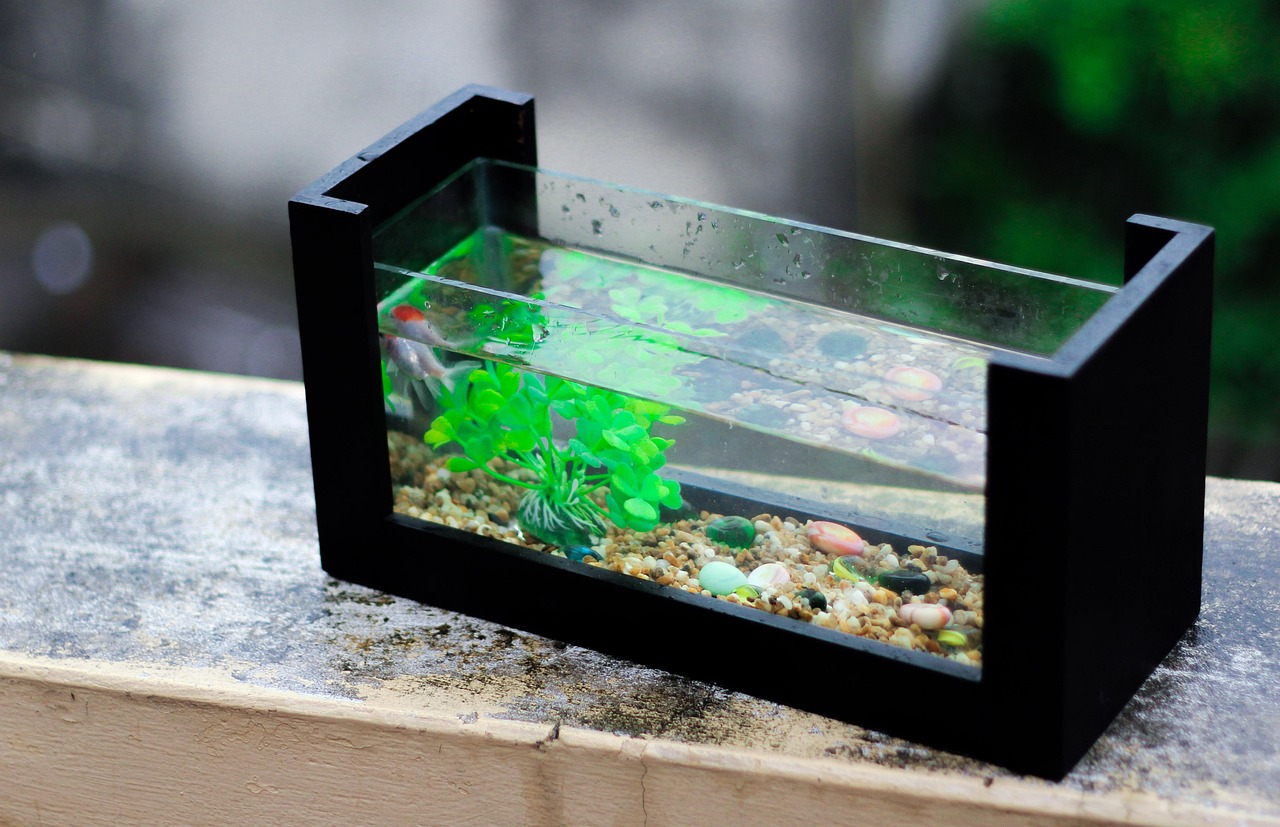
The Seachem Flourish range is one of the most comprehensive plant fertiliser lines available to the freshwater hobbyist, but its breadth can be genuinely confusing. Which product do you actually need? How do you dose them without causing algae? And do they interact with each other? This Seachem Flourish dosing guide from Gensou Aquascaping at 5 Everton Park, Singapore breaks down every major product in the range, explains when each is appropriate, and gives you a practical dosing schedule to follow from day one.
Flourish Comprehensive: The Foundation
Seachem Flourish (the original, often called “Flourish Comprehensive”) is a broad-spectrum trace element and vitamin supplement. It contains iron, manganese, magnesium, potassium, zinc, cobalt, and a range of organic compounds including amino acids and vitamins. It is not a complete fertiliser on its own — it lacks meaningful levels of the macronutrients nitrogen, phosphorus, and potassium that heavily planted tanks need in quantity.
The standard dose is 5 ml per 250 litres twice a week. In a 60-litre planted tank, that’s about 1.2 ml twice weekly. Overdosing Flourish Comprehensive is relatively forgiving — the trace elements are used in tiny quantities and excesses are largely harmless at realistic doses — but there’s no benefit to dosing more than recommended. Add it after a water change, when diluted nutrients are most readily absorbed by plants.
Flourish Excel: Carbon Without CO2 Injection
Flourish Excel is not a fertiliser in the traditional sense. It provides a bioavailable form of carbon (glutaraldehyde) that plants can absorb as an alternative to dissolved CO2. It also has mild algaecidal properties at higher concentrations, making it popular for spot-treating algae on leaves.
Standard dosing is 5 ml per 200 litres daily, with a double dose on the first use. In Singapore’s warm tanks (typically 26–28°C), Excel degrades quickly and daily dosing is important if you’re relying on it as a primary carbon source. For spot treatment of black beard algae, use a syringe to apply undiluted Excel directly to the affected area during a water change, with the filter off for 10–15 minutes. Exercise caution with sensitive plants such as Vallisneria and mosses — Excel can melt these at full doses.
Flourish Iron: Targeting Iron Deficiency
Iron deficiency presents as yellowing new growth (interveinal chlorosis) while older leaves remain green — this distinguishes it from nitrogen deficiency, which affects older leaves first. Flourish Iron provides chelated ferrous iron (Fe2+), the form most readily taken up by plant roots and leaves.
Dose at 5 ml per 200 litres as needed, ideally two to three times per week in a high-light, fast-growing tank. The target iron concentration in a planted tank is 0.1 mg/L; you can measure this with a dedicated iron test kit. Don’t add Flourish Iron to a tank with algae problems — excess iron is one of the drivers of cyanobacteria and hair algae blooms. Address the root cause of the deficiency first: is your substrate exhausted? Is your lighting too intense relative to your CO2 and nutrient input?
Flourish Potassium: Often the Missing Macro
Potassium is frequently underestimated. It is a major macronutrient required in significant quantities by all aquatic plants, yet many liquid fertilisers (including Flourish Comprehensive) don’t provide it in sufficient amounts for planted tanks with moderate to high plant density. Signs of deficiency include pinhole damage on older leaves, leaf margins turning yellow or brown, and slow growth despite adequate lighting and CO2.
Flourish Potassium doses at 5 ml per 200 litres twice a week, targeting a concentration of approximately 10–20 mg/L in the tank water. It is safe to dose generously relative to most other supplements — potassium toxicity in aquarium plants is extremely rare at hobbyist dosing levels. For shrimp tanks, maintain potassium below 30 mg/L as a precaution, though most evidence suggests even higher levels are tolerable for neocaridina and caridina.
Flourish Nitrogen and Phosphorus
Both products are aimed at heavily planted, high-tech tanks running CO2 injection where plant demand outpaces what fish waste provides. Flourish Nitrogen delivers potassium nitrate as its primary nitrogen source, targeting a tank concentration of 5–10 mg/L nitrate. Flourish Phosphorus provides potassium phosphate, targeting 0.5–1.0 mg/L phosphate.
In Singapore, many aquarists run moderately to heavily stocked community tanks alongside their plants, which means fish waste alone often provides adequate nitrogen and phosphorus. Before dosing either product, test your tank water — adding nitrogen or phosphorus to a tank already running at 20 mg/L nitrate will fuel algae, not plant growth. These two supplements are only necessary when your tank is genuinely nutrient-limited despite good lighting and CO2.
Flourish Advance: Growth Stimulant
Flourish Advance is a phytohormone-based supplement (primarily containing cytokinins and auxins) designed to stimulate root development and overall plant growth. It is one of the more controversial products in the range — the science on phytohormone supplementation in aquariums is less established than standard macronutrient or micronutrient dosing.
Dose at 5 ml per 200 litres twice a week, ideally alongside your regular Flourish Comprehensive. Many aquarists report improved rooting in stem plants and faster establishment of carpeting plants like Hemianthus callitrichoides (HC Cuba) when using Advance in new setups. It is unlikely to cause harm, and if you’re struggling with establishment of a new planted tank, it’s a reasonable addition to your regimen.
Building a Practical Dosing Schedule
For a typical 60–90 litre planted tank in Singapore running at moderate light with Flourish Excel for carbon, a simple and effective schedule looks like this: on water change day (say, Sunday), add Flourish Comprehensive and Flourish Iron after the change. On Wednesday, add Flourish Potassium and Excel. Dose Excel daily if relying on it as a primary carbon source. Add Flourish Advance twice a week alongside Comprehensive.
Keep a dosing log — a simple notepad note works — so you don’t double-dose during busy weeks. The most common mistake is inconsistent dosing followed by an aggressive catch-up, which creates nutrient spikes that favour algae. Steady, regular inputs at moderate levels outperform irregular large doses every time. Seachem products are widely stocked at local aquarium shops around Clementi and Serangoon, and the team at Gensou Aquascaping can help you tailor a fertiliser programme to your specific plants and setup.
Related Reading



