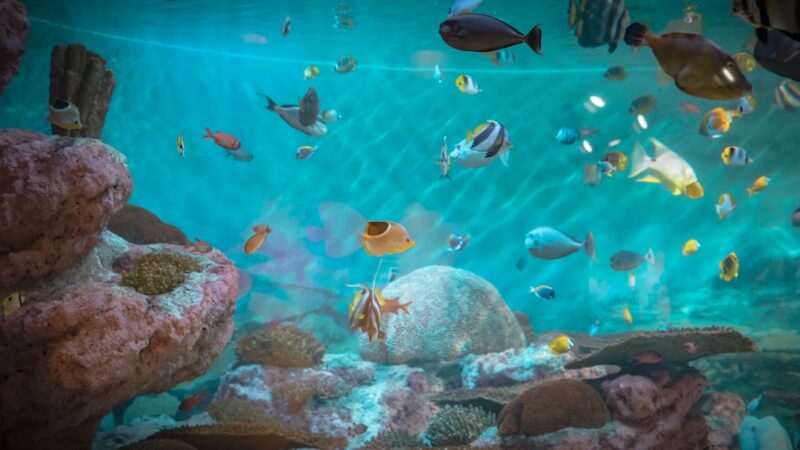
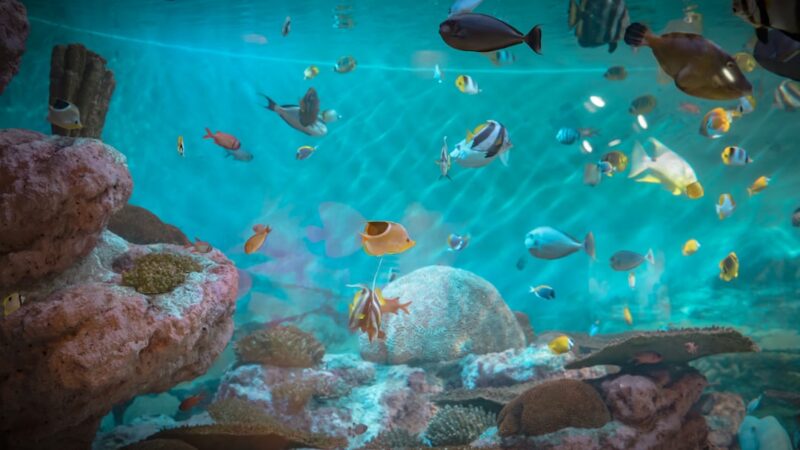
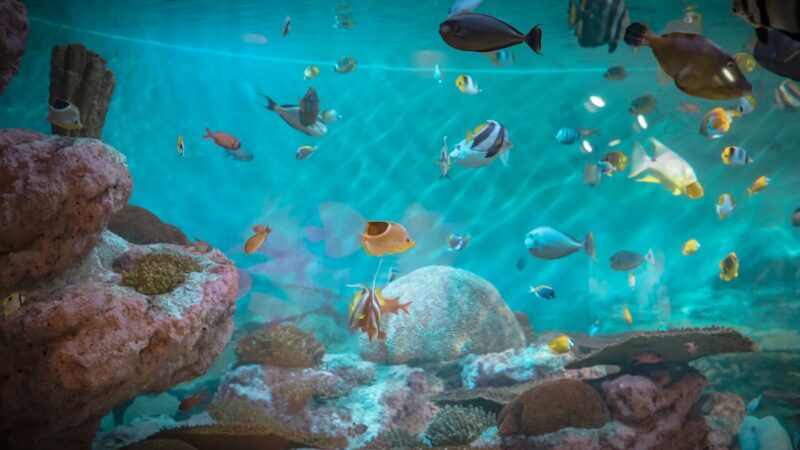
Aquarium for Music School Waiting Areas: Calm Before the Lesson
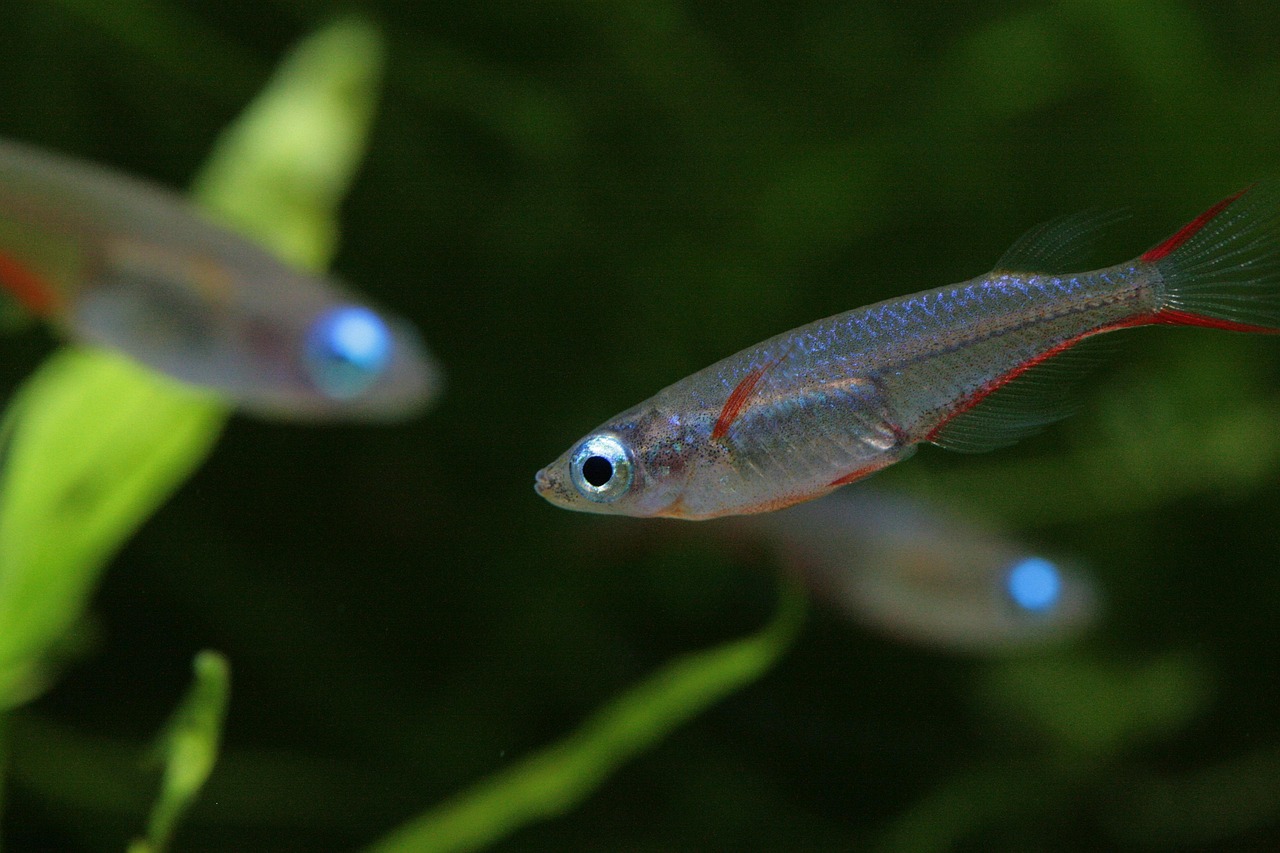
A music school waiting area exists in a state of low-grade tension — students running through pieces in their heads, parents checking the time, younger siblings growing restless. An aquarium changes that environment immediately. The gentle movement of fish, the soft gurgle of a filter, and the living quality of a planted tank provide exactly the kind of passive, absorbing calm that a waiting room needs. This guide from Gensou Aquascaping at 5 Everton Park, Singapore covers everything you need to know about specifying, designing, and maintaining an aquarium for a music school waiting area in Singapore’s context.
Why an Aquarium Works in This Setting
The research on aquarium viewing and stress reduction is consistent: even brief exposure to a fish tank lowers heart rate and reduces anxiety measures. For a child about to perform in a lesson or examination, this matters. For a parent waiting for 45 minutes with a toddler, it matters even more. Unlike a television, an aquarium doesn’t demand attention — it rewards it passively, which makes it ideal for a space where people need to be present but not actively stimulated.
Sound is another consideration unique to music schools. A well-maintained aquarium produces a gentle, consistent white-noise quality from the filter and surface movement — just enough to soften the silence between practice rooms without competing with the music coming through the walls.
Choosing the Right Tank Size
For a waiting area of 15–30 square metres, a 120–180 litre rectangular tank is the sweet spot. Large enough to create genuine visual impact and house a meaningful community of fish; manageable enough to maintain without professional intervention more than once a month. Position it at eye level for a seated adult — typically with the base of the tank at 60–70 cm from the floor — so both adults and children can view it comfortably.
In a smaller waiting alcove or reception area, a 60-litre all-in-one nano tank can be highly effective. These compact units, available from brands like Fluval and Dymax, have integrated filtration and lighting that keeps the external footprint minimal and tidy — important in a commercial setting where aesthetics must remain professional.
Species Selection for a Calm Display
Choose fish with slow, graceful movement rather than darting, skittish species that stress easily or may alarm young children. Angelfish (Pterophyllum scalare) are ideal — their tall, flowing bodies move in an almost hypnotic, slow arc and they are visually impressive even to people unfamiliar with fish. A group of six to eight in a 120-litre tank creates a composed, elegant display.
For colour and activity at the lower levels, a shoal of 15–20 neon or cardinal tetras adds a bright, calm point of interest without frantic movement. Corydoras catfish foraging peacefully across the substrate hold the attention of younger visitors without being threatening or unpredictable. Avoid aggressive species, fin-nippers, or anything that may visibly fight — witnessing fish conflict is not the calming experience the space is designed to provide.
Plants and Aquascape Design
A natural planted design with a green, restful palette works best in a waiting-area tank. Dense midground planting with species like Cryptocoryne wendtii and Anubias barteri, a clean open foreground, and a simple hardscape of smooth river stones creates a sense of depth and order without looking chaotic. Avoid overly dramatic or dark aquascapes — the goal is tranquillity, not drama.
Keep the planting trim and maintained. A waiting-area tank that looks overgrown or neglected reflects poorly on the business. Build this into your maintenance routine from the start: 20–30 minutes of pruning once every two weeks is usually sufficient to keep a moderately planted 120-litre tank looking sharp.
Practical Maintenance Considerations
Music schools in Singapore typically run six or seven days a week with no guaranteed quiet period for maintenance. Schedule your water changes and filter cleaning for early morning before lessons begin, or on a Sunday evening if the school closes then. Keep a bucket and siphon stored neatly on-site — doing maintenance in a working business means being efficient and clean.
Use a canister filter rather than a hang-on-back model for a commercial installation. Canisters are quieter, more powerful, and their plumbing can be routed discreetly behind a cabinet. Mount the tank on a dedicated aquarium cabinet that conceals the canister and all equipment, presenting a clean finished look from the front. Dymax and local cabinetmakers around the Geylang furniture belt can fabricate custom wood-finish stands that match the school’s interior.
Insurance, Safety, and Landlord Considerations
A 120-litre tank of water weighs approximately 130–140 kg including the tank and substrate. Confirm that the commercial unit’s floor loading is rated for this — most HDB shophouses and commercial buildings in Singapore handle this comfortably, but it is worth documenting. Check your lease agreement and inform your landlord if required; most are happy with aquariums in commercial tenancies provided the installation is professional and watertight.
Fit the tank with a surface canopy or lid rather than leaving it open-top. This prevents children from reaching in, reduces evaporation (important in Singapore’s dry air-conditioned spaces), and keeps any splashing during maintenance from reaching flooring. A polycarbonate lid is clean-looking and effective.
Getting Started
An aquarium in a music school waiting area is an investment in the overall experience your school offers — one that parents will notice, mention, and remember. The setup cost for a professionally installed 120-litre planted community tank runs $400–800 in Singapore depending on specification, with ongoing maintenance at $80–150 per month if you outsource it. For a business charging $40–80 per lesson, the return in client comfort and brand impression is measurable.
Gensou Aquascaping at 5 Everton Park offers consultation and installation for commercial aquarium projects across Singapore. With over 20 years of experience, the team can design a tank that fits your space, budget, and maintenance capacity from day one.
Related Reading
- Aquarium for Boarding School Dormitories: Rules and Recommendations
- Aquarium for Language Schools in Singapore: Learn and Observe
- Aquarium for Montessori Schools in Singapore: Learning Through Nature
- Aquarium for a Music Studio: Visual Calm for Creative Flow
- Aquarium for Music Studios in Singapore: Rhythm and Reflection