
Aquarium for Boarding School Dormitories: Rules and Recommendations
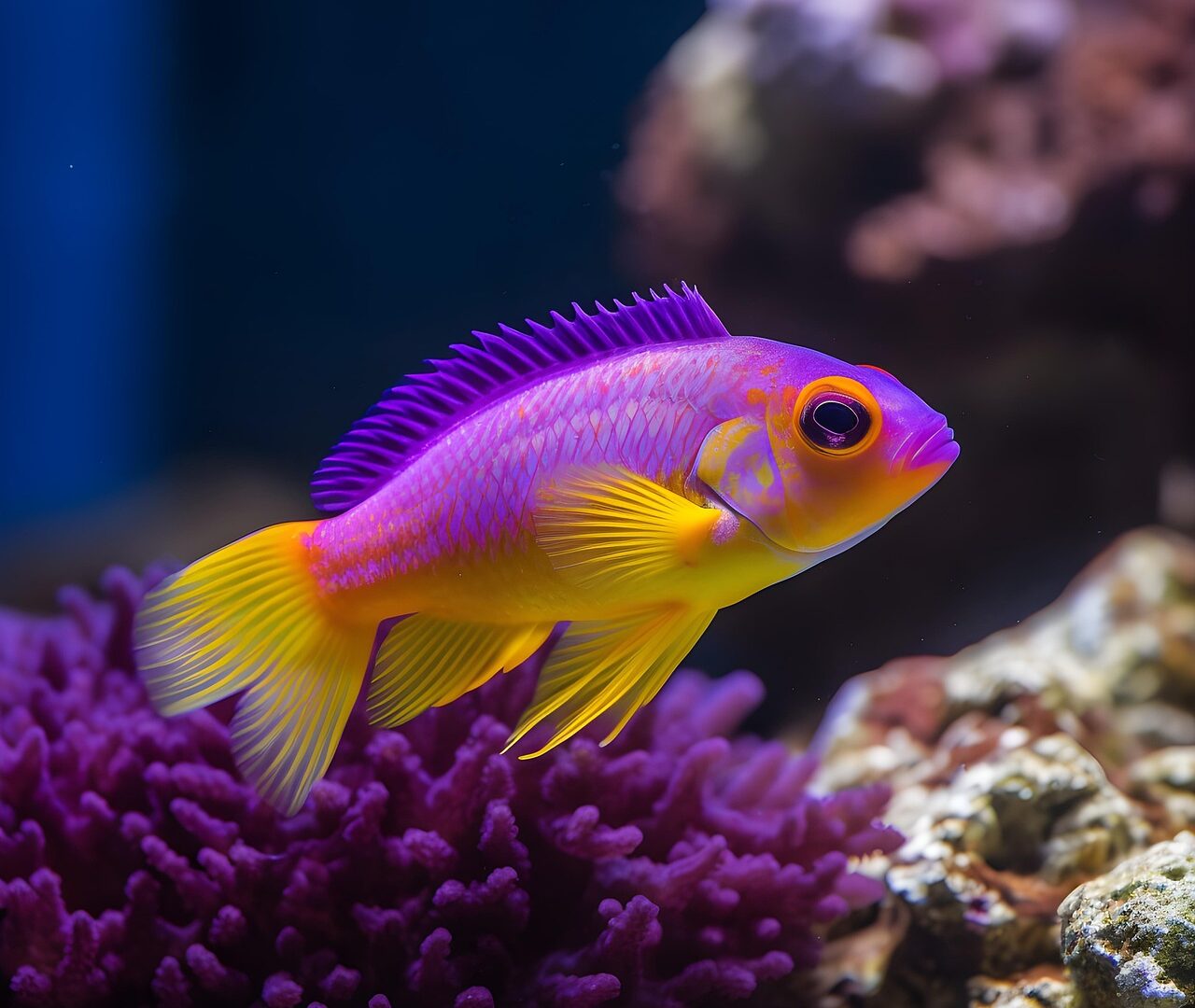
Boarding school life can feel isolating, and a small aquarium in a dormitory room offers a surprising source of comfort. Watching fish reduces stress and provides a gentle daily routine — feeding, observing, and caring for something living. This aquarium boarding school dormitory guide from Gensou Aquascaping at 5 Everton Park, Singapore, helps students and parents navigate school regulations, choose appropriate equipment, and maintain a healthy tank within the constraints of shared dormitory living.
Checking School Rules First
Most boarding schools in Singapore allow small aquariums but impose size restrictions, typically 20 litres or less. Some schools only permit tanks with fish and prohibit amphibians or reptiles. Contact the house master or dormitory manager before purchasing anything. Get the rules in writing if possible — schools occasionally update pet policies mid-year. Common restrictions include no open-top tanks (spill risk), no electrical equipment beyond a single plug point, and no feeding live insects. Knowing the boundaries upfront prevents a frustrating forced removal later.
Best Tank Size for a Dorm Room
A 15-20 litre nano tank is ideal. It fits on a study desk or shelf, weighs under 25 kg when filled, and uses minimal electricity. All-in-one models like the Dennerle Nano Cube 20 or Dymax IQ7 include built-in filtration and lighting in a compact footprint. Avoid glass bowls or unfiltered containers — they look simple but crash easily, producing smell and dead fish that will draw complaints from roommates and staff. A properly filtered nano tank stays clean and odourless with basic weekly care.
Hardy Species for Dorm Life
Choose fish that tolerate imperfect conditions, because dorm maintenance will occasionally slip during exam periods. Betta splendens is the classic single-fish dorm pet — beautiful, interactive, and content in a 15-litre tank alone. A colony of 10-15 cherry shrimp (Neocaridina davidi) is another excellent option: they are quiet, fascinating to watch, and breed slowly enough to stay manageable. For a nano community, five ember tetras (Hyphessobrycon amandae) with a few amano shrimp (Caridina multidentata) works well. Skip anything that grows large or needs precise water parameters.
Managing Without a Heater
Singapore’s ambient temperature of 26-32 °C suits most tropical species perfectly. Air-conditioned dormitory rooms may dip to 22-24 °C overnight, which bettas and most tetras handle without issue. If the room stays below 24 °C consistently, a 25-watt adjustable heater adds security for about $12 on Shopee. Shrimp are more cold-tolerant and rarely need supplemental heating even in cooled rooms. One less piece of equipment means one less thing to malfunction during a busy school term.
Feeding and Weekend Absences
Feed sparingly — once daily, only what fish consume in two minutes. Overfeeding is the top cause of water quality problems in small tanks. During weekend home visits (typically two days), healthy fish survive easily without food. For longer school holidays, an automatic feeder costing $15-25 dispenses precise portions daily. Alternatively, ask a trusted dormmate to feed once every two days — leave pre-measured portions in small containers to prevent well-meaning overfeeding. Shrimp tanks can go a week unfed if biofilm and algae are present.
Weekly Maintenance in Under 15 Minutes
A 30% water change once a week keeps a nano tank stable. Use a small siphon to drain water into a bucket, then refill with conditioned tap water at room temperature. Wipe the front glass with a magnetic cleaner. That is genuinely all a well-balanced nano tank requires. Keep a 500 ml bottle of water conditioner, a siphon, and a small bucket under the desk or in the wardrobe. The entire process takes 10-15 minutes — less time than scrolling social media.
Respecting Shared Spaces
A dormitory is shared living. Keep the tank clean and odour-free to avoid friction with roommates. Position it away from beds to prevent light disturbance at night — a timer shutting the light off by 9 PM is courteous. Ensure the tank sits on a flat, stable surface with a waterproof mat underneath. Clean up any splashes immediately. If your roommate is uncomfortable with the setup, communicate and compromise. A well-maintained aquarium usually wins people over once they see it is clean, quiet, and interesting.
Educational Value Beyond the Hobby
An aquarium boarding school dormitory project teaches responsibility, biology, chemistry (nitrogen cycle, pH), and patience. Some Singapore schools actively encourage small pet projects as part of character development programmes. Documenting the tank’s progress in a journal or photo diary can even become a CCA (co-curricular activity) or personal project. Gensou Aquascaping supports young hobbyists and is happy to advise students or parents on setting up a compliant, rewarding dormitory tank.
Related Reading
- Aquarium for Language Schools in Singapore: Learn and Observe
- Aquarium for Montessori Schools in Singapore: Learning Through Nature
- Aquarium for Music School Waiting Areas: Calm Before the Lesson
- Aquarium for School Science Labs: Educational and Engaging
- Aquarium as Home Décor: Placement, Styles and Design Tips



