
How to Aquascape for African Oddball Fish: Bichirs, Ropefish and Butterflyfish
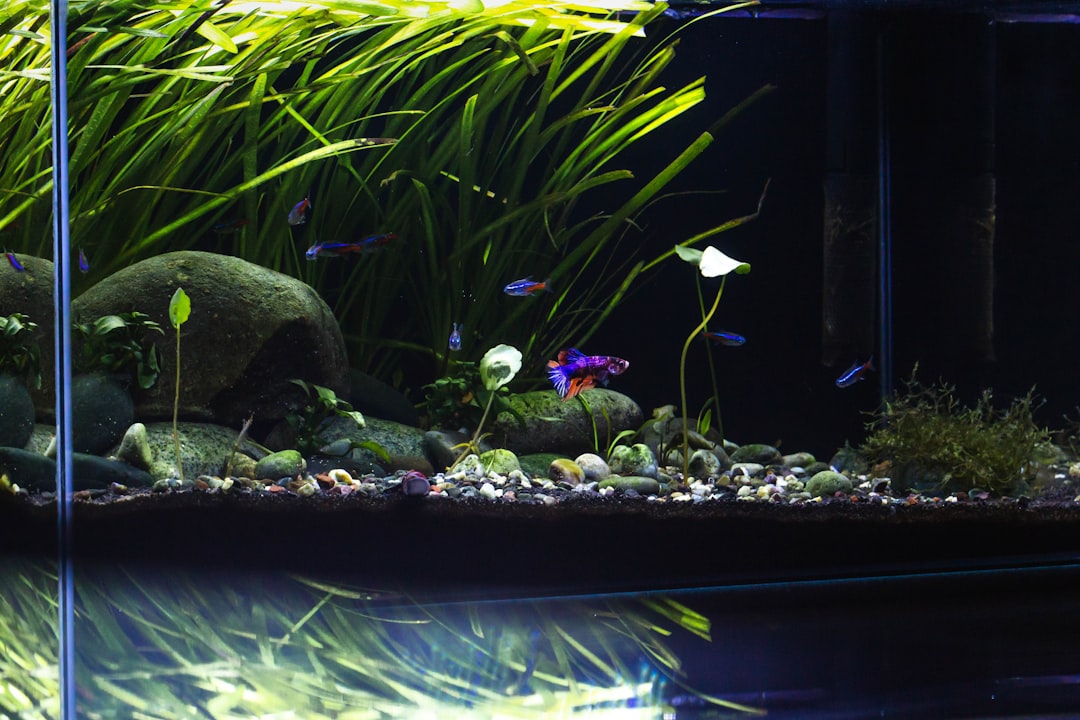
Bichirs, ropefish, and African butterflyfish have almost nothing in common with the planted aquascape ideal — they are large, predatory, primitive, and indifferent to decorative plants. Yet an aquascape designed around their biology can be genuinely stunning: dark, heavily structured, almost primal in character, and inhabited by fish that look like they wandered out of the Devonian period. This guide from Gensou Aquascaping at 5 Everton Park, Singapore covers how to build an aquascape for African oddball fish — specifically bichirs (Polypterus spp.), ropefish (Erpetoichthys calabaricus), and African butterflyfish (Pantodon buchholzi) — that meets their practical needs while remaining visually compelling.
What African Oddballs Actually Need
These three species share West and Central African origins and broadly overlapping habitat preferences: slow to still, warm (26–30°C) water with heavy surface vegetation, root tangles, and low light. All three are air breathers to varying degrees — bichirs use primitive lungs and must access the surface regularly; ropefish are obligate air breathers in low-oxygen conditions; butterflyfish are strict surface dwellers that breathe atmospheric air. A secure lid is mandatory — all three species are escape risks, butterflyfish especially, as they can propel themselves out of a tank with their large pectoral fins. Any gap larger than 1 cm is a risk.
Tank Size and Configuration
Bichirs grow large — Polypterus senegalus (the most commonly kept species in Singapore) reaches 35–45 cm; larger species like P. bichir or P. endlicheri can exceed 70 cm. A bichir aquascape needs a minimum 150-litre tank for a single adult; 250 litres or more for a pair. Ropefish are smaller (40–60 cm) but extremely active swimmers that need length — a 120 cm long tank is the practical minimum. Butterflyfish are compact (12–15 cm) and can be kept in a 60-litre tank if kept singly, but benefit from a 90 cm tank for territorial space. A tank housing all three species together would need to be 200+ litres with careful monitoring — butterflyfish can fit in a large bichir’s mouth.
Hardscape: Caves, Roots, and Shelter
The dominant hardscape element for a bichir-and-ropefish aquascape should be shelter: caves, root tangles, and overhangs that these bottom-dwelling fish can retreat beneath during daylight hours. Thick tangles of branching driftwood stacked horizontally create the submerged root system aesthetic that is both authentic and functional. PVC pipe segments hidden under driftwood provide additional cave space without visual intrusion. Large flat stones propped against driftwood pieces create lean-to shelters. There should be enough covered territory that every specimen in the tank can be hidden from view simultaneously — fish that cannot find cover show stress behaviour and are more likely to attempt escape.
Substrate: Sand Is Mandatory
Bichirs are benthic hunters that “walk” along the substrate on their pectoral fins and frequently root through the substrate surface with their snout. Gravel or rough substrate causes abrasion damage to their undersides and is inappropriate. Use fine, smooth river sand 4–6 cm deep — enough for bichirs to partially bury themselves, which they occasionally do when resting. Dark-coloured sand (black or dark brown) makes the fish’s colours more vivid and reduces reflective light that can stress surface-dwelling butterflyfish.
Plants: What Survives With Large Predatory Fish
Most planted aquascape plants are not compatible with the physical disturbance caused by large bichirs. Delicate stem plants and carpeting plants will be uprooted within days. Epiphytes are the solution: large Anubias barteri (not nana — full-size barteri with robust leaves) attached firmly to driftwood will survive bichir contact. Microsorum pteropus ‘Windelov’ on thick roots handles rough treatment better than expected. Floating plants — water hyacinth and water lettuce — are perfect for butterflyfish habitat, create the surface canopy that reduces jumping attempts, and cannot be disturbed by bottom-dwelling fish.
Lighting and Atmosphere
Low lighting suits this tank thematically and practically. Bichirs are crepuscular and are most active at dawn and dusk — bright, midday-intensity lighting discourages the natural behaviour these fish are most interesting to observe. A 6–7 hour photoperiod at low intensity (20–30 PAR) keeps epiphyte plants healthy, encourages floating plant growth as surface cover, and produces the moody, shadowed aesthetic that makes this tank style so distinctive. The amber tint of tannins from driftwood or Indian almond leaves completes the West African swamp atmosphere.
Tankmates and Community Considerations
All three species are predatory to varying degrees. Butterflyfish will consume any fish that fits in their upturned mouth — anything under 4–5 cm. Bichirs will eat anything that fits in theirs, including surprisingly large prey. Ropefish are less aggressive but will eat small shrimp and nano fish. Safe companions for an adult bichir tank include large Congo tetras (Phenacogrammus interruptus), large Ctenopoma species, or African knifefish (Xenomystus nigri). At Gensou Aquascaping, this oddball biotope is one of the most memorable display tanks we have seen — there is nothing quite like watching a bichir walk across the substrate or a butterflyfish launch at a surface insect in a thoughtfully designed habitat.
Related Reading



