
How to Aquascape an African Cichlid Tank: Rock and Sand
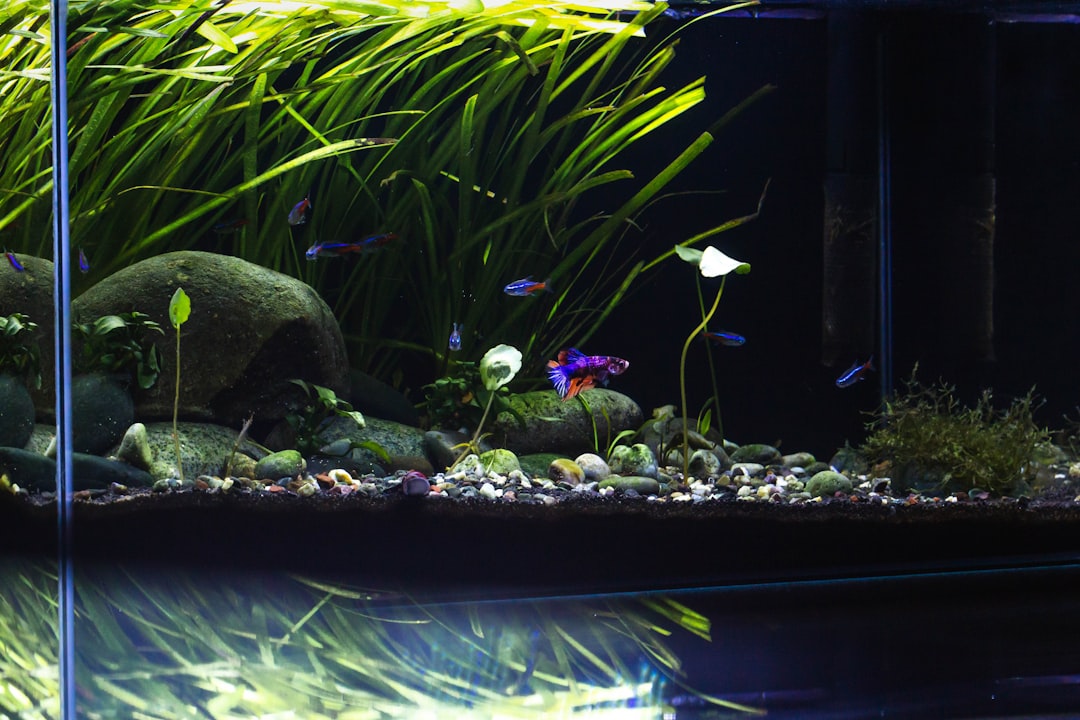
African cichlids are among the most colourful freshwater fish in the hobby, but their territorial behaviour and digging habits make aquascaping their tanks a unique challenge. A successful aquascape for an African cichlid tank balances visual impact with functional territory boundaries that reduce aggression and stress. This guide from Gensou Aquascaping at 5 Everton Park, Singapore, draws on over 20 years of experience designing displays for these dynamic fish.
Understanding Cichlid Behaviour in Layout Design
Mbuna from Lake Malawi claim rock crevices as home territory. Peacocks and haps cruise open water but retreat to caves when threatened. Tanganyikan shell dwellers need sandy patches with empty shells. Your layout must account for the specific cichlid group you keep. Overcrowding territories deliberately is a common strategy: when every crevice is claimed, no single fish can dominate the entire tank, spreading aggression evenly and reducing injuries.
Rock Selection and Stacking
Texas holey rock, ocean rock, and limestone are traditional choices because they buffer pH upward, matching the alkaline conditions of the African rift lakes. Flat, stackable pieces create stable cave structures without silicone or supports. Stack rocks directly on the tank base glass rather than on top of substrate, as cichlids will excavate sand around foundations and topple poorly placed stones. Build columns and arches with the largest, heaviest pieces at the bottom. Aim for structures that reach at least two-thirds of the tank height to provide territories at multiple levels.
Sand Bed Considerations
Most African cichlid keepers use fine aragonite or coral sand, which maintains alkaline pH and provides a natural digging medium. A depth of 3-5 cm allows cichlids to excavate nesting pits without exposing bare glass. Avoid sharp substrates that damage the delicate mouth tissues of species that sift sand. In Singapore, aragonite sand is available at marine aquarium shops and online for approximately $8-15 per kilogram. Pool filter sand is a cheaper alternative at $3-5 per bag from hardware stores, though it does not buffer pH.
Creating Sightline Breaks
Long uninterrupted sightlines trigger chasing behaviour in dominant males. Tall rock pillars, central dividers, and strategically placed background stones force fish to swim around obstacles rather than straight at rivals. Position at least one major structure near the centre of the tank to break it into distinct zones. Each zone should have its own caves and hiding spots, effectively creating miniature territories that multiple fish can defend independently. This approach works particularly well in tanks of 120 cm and above.
Can You Use Plants?
Contrary to popular belief, plants can survive in an African cichlid tank if you choose tough species. Anubias barteri attached to rocks withstands nibbling and uprooting attempts. Vallisneria species tolerate alkaline water and grow fast enough to replace any damaged leaves. Java fern bolted to driftwood is another option, though driftwood releases tannins that soften water, which may counteract your alkaline buffering. Avoid delicate stem plants entirely. Cichlids view them as salad or toys and destroy them within days.
Water Parameters for Rift Lake Conditions
Lake Malawi species prefer pH 7.8-8.6, GH 10-20, and KH 6-12. Tanganyikan species often demand the higher end of those ranges. Singapore’s PUB tap water is too soft straight from the tap, so rift lake salt mixes or a combination of marine salt and sodium bicarbonate are necessary. Cichlid-specific buffer products simplify this process. Test GH and KH weekly until you establish a consistent dosing routine, then monthly checks suffice. Temperature at 25-27 °C sits comfortably within Singapore’s ambient range, so a heater is generally unnecessary unless your home is heavily air-conditioned.
Filtration for Heavy Bioloads
African cichlid tanks carry high bioloads relative to their size because overstocking is part of the aggression management strategy. A canister filter rated for 1.5-2 times your tank volume handles the waste output. Supplement with a sponge filter or powerhead for additional circulation and oxygenation. Coarse mechanical media catches the large particles cichlids stir up from the sand bed, while generous biological media manages the heavy ammonia and nitrate load. Clean mechanical media fortnightly to prevent flow reduction.
Designing a Tank That Works
The best African cichlid tank aquascape serves the fish first and the viewer second. Prioritise functional caves, stable rock structures, and clear territorial boundaries. Once those practical requirements are met, refine the visual composition: balance rock mass left and right, create depth with foreground sand paths, and add a few hardy plants for organic contrast. The result is a tank where vibrant fish display natural behaviours in a layout that looks intentional and polished. Gensou Aquascaping is available to help plan cichlid displays suited to your space and favourite species.
Related Reading
- How to Create an African River Biotope Aquascape
- How to Aquascape for African Butterfly Fish: Surface Cover Essentials
- How to Aquascape for African Oddball Fish: Bichirs, Ropefish and Butterflyfish
- West African Forest Stream Biotope: Kribensis and Anubias
- West African Mangrove Biotope Aquascape: Roots and Brackish Edges



