
How to Trim and Propagate Ludwigia Super Red: Side Shoots and Colour
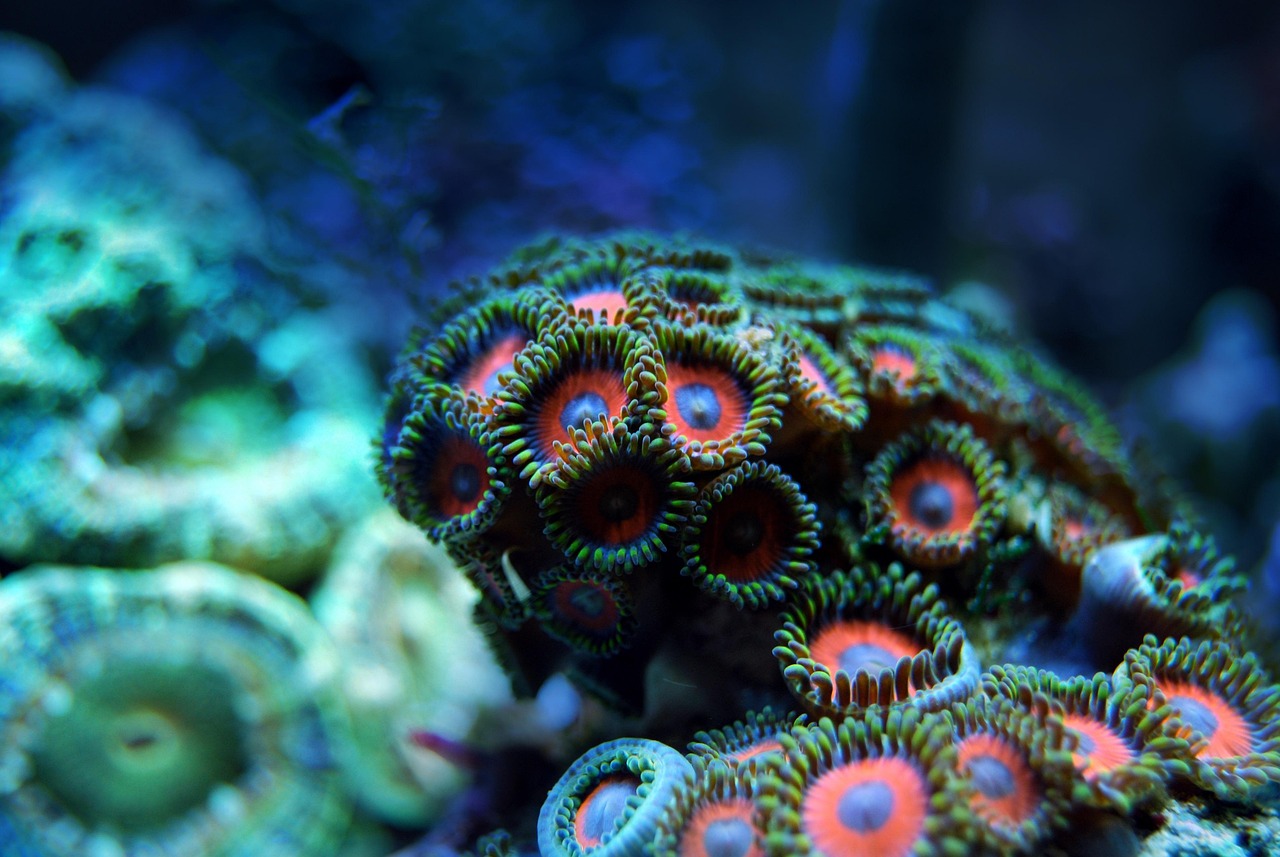
Ludwigia Super Red (Ludwigia sp. ‘Super Red’) is one of the most visually dominant stem plants in aquascaping — when healthy, the leaves flush a deep wine-red that provides an unmistakable focal point in any planted tank. But coaxing that colour and maintaining dense, bushy growth requires understanding how to trim and propagate Ludwigia Super Red correctly. Gensou Aquascaping at 5 Everton Park, Singapore uses this plant extensively in our display setups, and this guide covers every step of the trimming and propagation process.
Why Trimming Technique Matters for This Plant
Unlike many stem plants that tolerate blunt cutting, Ludwigia Super Red’s colouration and growth pattern respond directly to how and where you cut. Cut too high and you leave a dead stub prone to rot. Cut too low and you remove all axial buds, slowing regrowth. Understanding the plant’s growth structure — a central stem with leaf pairs (nodes) along its length — makes every trimming decision more intentional.
Growth rate is fast under high light and CO2: 2–4 cm per week under optimal conditions. Without regular trimming, the lower stem becomes shaded, leaves drop, and you’re left with bare, leggy stems topped by a small cluster of red leaves — the opposite of what you want.
When to Trim
Trim before the plant reaches the water surface — typically when stems are 5–8 cm from the top. Waiting until stems hit the surface and bend horizontally encourages legginess and makes the tank look untidy. A proactive trim every two to three weeks in a high-tech setup maintains the dense, mid-background look that makes this plant most effective in layout.
The Basic Trimming Cut
Use sharp, clean scissors — aquascaping scissors with angled blades (straight or curved) give the most control. Cut the stem cleanly just above a node pair, leaving at least two or three node pairs below the cut on the remaining lower stem. These remaining nodes will each produce one to two side shoots, branching the plant and creating the multi-stemmed bushy effect that fills the background beautifully.
Remove any dead or yellowing leaves along the lower stem at the same time. Clean, healthy lower stems take up nutrients more efficiently and are less prone to algae attachment.
Propagating the Cut Tops
The tops you’ve removed are perfectly viable cuttings. Strip the lower 2–3 cm of leaves from each cutting so a bare stem section will be buried in the substrate. Push the cuttings directly into the substrate at least 2–3 cm deep. In fine sand or aquasoil, they root within five to ten days. In coarser gravel, wedge them against a stone for support until roots develop.
Plant cuttings in groups of five to seven for immediate visual impact — a single cutting looks sparse for weeks. Stagger lengths slightly (some stems 2 cm shorter than others) to create a natural, varied height across the planted group rather than a flat wall of growth.
Maximising Red Colouration
Red pigmentation in Ludwigia Super Red is driven by light intensity, phosphate balance, and CO2 availability — in that order. High-intensity lighting (at least 50–80 PAR at substrate level) is the primary driver. Without strong light, the plant reverts to olive-green regardless of nutrients. CO2 injection at 20–30 ppm keeps growth fast and tissues healthy. Iron supplementation (0.1–0.5 mg/L as part of a comprehensive fertiliser regimen) deepens red across the leaf blade.
Nitrogen limitation intensifies red in many aquatic plants including Ludwigia, but deliberately starving the tank of nitrogen causes collateral damage to other species. A moderate macro regime targeting nitrate at 10–20 ppm with phosphate at 1–2 ppm achieves good colour without sacrificing the broader plant health of the tank.
Troubleshooting Common Problems
Yellowing lower leaves usually indicate nitrogen deficiency or insufficient light reaching the base of the plant. Increase fertiliser dosing and check that lower stems aren’t fully shaded by overgrown midground plants. Green or pink-tinted leaves instead of deep red point to low light first, then nutrient imbalance. Stems rotting at the substrate indicate overly rich substrate combined with low flow at the bottom — increase circulation. In Singapore’s warm water (26–28°C), bacterial activity is high and soft stem rot progresses quickly; act fast if you notice any discolouration at the base of stems.
Related Reading
- How to Get Ludwigia Palustris Super Red: Light and Iron Tips
- How to Trim and Propagate Pogostemon Erectus: Bushy Growth Tips
- How to Propagate Anubias Nana Petite: Rhizome Division Guide
- How to Propagate Bolbitis Heudelotii: African Water Fern Division
- Bucephalandra Super Blue Care Guide: Intense Blue Shimmer



