How to Aquascape a Round Bowl Responsibly: Beyond the Fishbowl
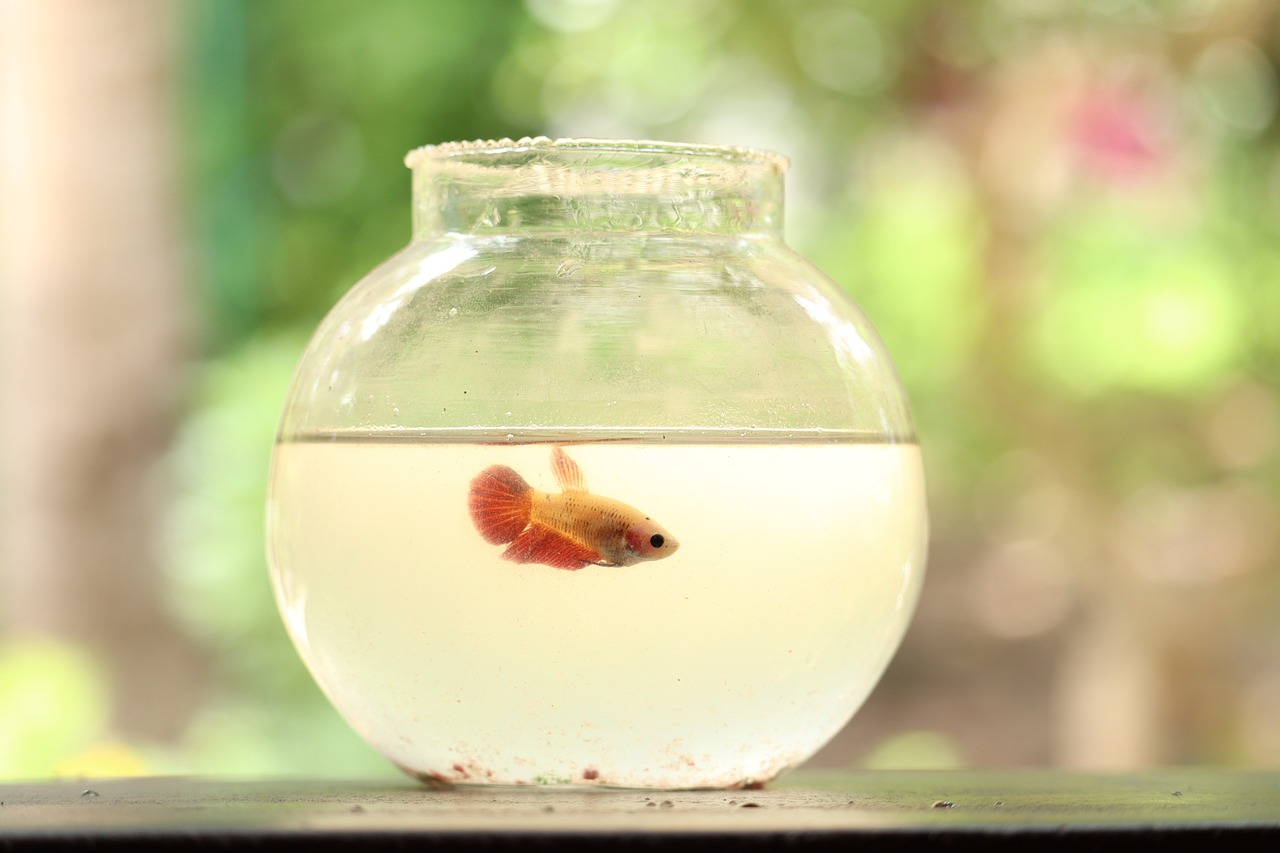
The classic fishbowl is one of the most harmful aquatic containers ever marketed, but that doesn’t make all round bowls irresponsible. Designed thoughtfully, a round bowl aquascape can be a self-sustaining, genuinely humane planted display that outperforms many conventional rectangular tanks in aesthetic impact. The difference lies entirely in how you set it up: what goes inside, how water quality is maintained and whether the livestock can actually thrive in a curved-wall, limited-volume environment. At Gensou Aquascaping, 5 Everton Park, Singapore, we get asked about bowl setups regularly, and responsible guidance matters more than dismissing the format entirely.
Volume Is the Starting Point
A 3-litre goldfish bowl is a death sentence for most fish. A 15-litre planted bowl with adequate surface area is a workable habitat for very specific livestock. The minimum viable volume for any bowl aquascape intended for fish is 10 litres; 15–25 litres is genuinely comfortable. Measure your bowl before purchasing livestock. Surface area at the waterline matters as much as total volume — a narrow-necked vase of 15 litres has worse gas exchange than a wide-topped bowl of the same volume. Fill to approximately 60–70% of a round bowl’s total volume to maximise the water surface diameter.
Filtration in a Round Bowl
A sponge filter driven by a small air pump is the most appropriate filtration for a round bowl. It provides biological and mechanical filtration, gentle water movement and supplemental aeration without creating excessive flow that would buffet small fish against glass. Position the sponge filter in the rear quadrant where the curved glass partially conceals it from the primary viewing angle. For a plant-only bowl with no fish, a small nano pump circulating water through a cup of filter media achieves the same result even more discreetly. Avoid powerful canister filters — the flow rate overwhelms a small round bowl and creates unnecessary turbulence.
Plant Selection for Curved-Wall Bowls
Round bowls distort the appearance of plants near the glass edge — wide-leaved plants look misshapen when viewed through curved glass at close range. Fine-leaved, vertical plants work best: Eleocharis hairgrass, Vallisneria nana, thin-leaved Bacopa species. Moss attached to a central stone or small wood piece creates a visually appealing focal point that reads well through curved glass. Avoid large-leafed plants like Echinodorus or broad Anubias — they overpower the bowl’s internal space and distort badly through the curved wall at viewing range.
Responsible Livestock Choices
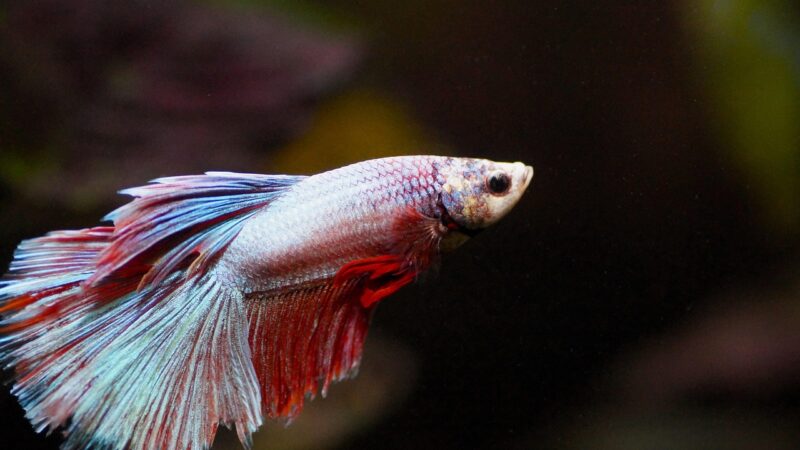
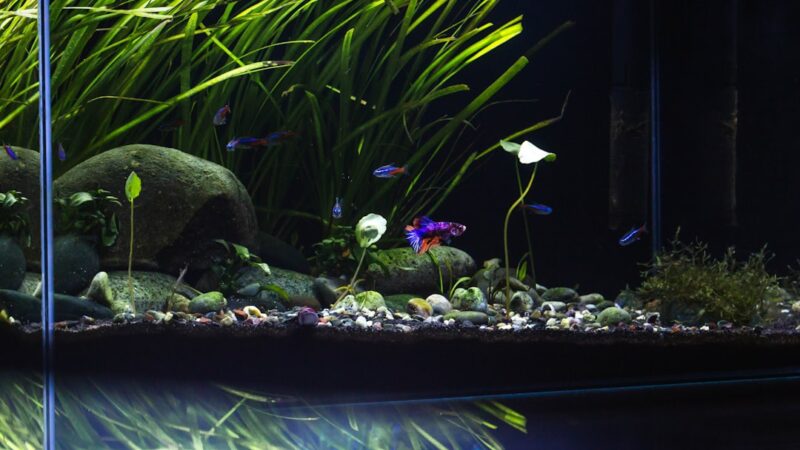
This is where bowl setups most often go wrong. Most fish are entirely inappropriate for round bowl conditions. The exceptions are genuinely small species in appropriate numbers. A single male Betta splendens in a 15-litre planted bowl is one of the most responsible betta setups possible — better than many divided betta tanks. Five to eight adult Neocaridina cherry shrimp thrive in a 10-litre planted bowl. A colony of Dario dario (scarlet badis) — genuinely tiny at 2 cm — suits a 15-litre planted bowl. What never belongs in any bowl: goldfish, any schooling fish that needs open swimming space, or any species over 4 cm in body length.
Substrate and Planting
Use a 3–4 cm layer of fine aquasoil or nutrient-enriched substrate capped with sand. The bowl’s curved bottom concentrates detritus at the lowest point — use a turkey baster or small syringe to remove waste from this accumulation zone during weekly water changes. Plant densely from the outset: high planting density is the bowl’s primary water quality management strategy. Plants consume fish waste, shade out algae and oxygenate the water. A planted bowl with no livestock running as a low-tech herb or aquatic garden display requires no filtration at all if light and plant density are well-balanced.
Water Changes in a Round Bowl
A 25–30% water change weekly is appropriate for a bowl with livestock. In Singapore’s warm conditions, biological activity and evaporation are both faster than in temperate climates — top off evaporation with dechlorinated water daily to prevent the small volume concentrating waste rapidly. Use PUB tap water with a quality chloramine-neutralising dechlorinator; the volume is so small that even premium dechlorinators represent negligible cost per change. A dedicated small vessel with pre-measured, dechlorinated water makes the process quick enough to maintain consistently.
Lighting and Display Position
A small clip-on LED lamp suited to nano tanks provides adequate lighting for fine-leaved plant species without requiring a tank hood. Position the bowl away from direct sunlight — Singapore’s equatorial sun intensity through a window is sufficient to trigger aggressive algae growth in any small, warm volume of water within days. An east-facing window with morning light only, filtered through net curtains, is the maximum natural light exposure appropriate for a bowl setup. Controlled artificial lighting on a timer is more reliable and easier to manage for long-term plant health.
Related Reading