How to Aquascape a Fish Bowl Responsibly

Fish bowls have a troubled reputation in the hobby — and deservedly so when they house a goldfish in unfiltered, unheated water. But a small bowl, scaped thoughtfully and stocked appropriately, can function as a legitimate micro ecosystem. This aquascape fish bowl responsibly guide from Gensou Aquascaping in Singapore explains how to set one up ethically, what to put in it, and where the hard limits lie.
The Ethical Framework
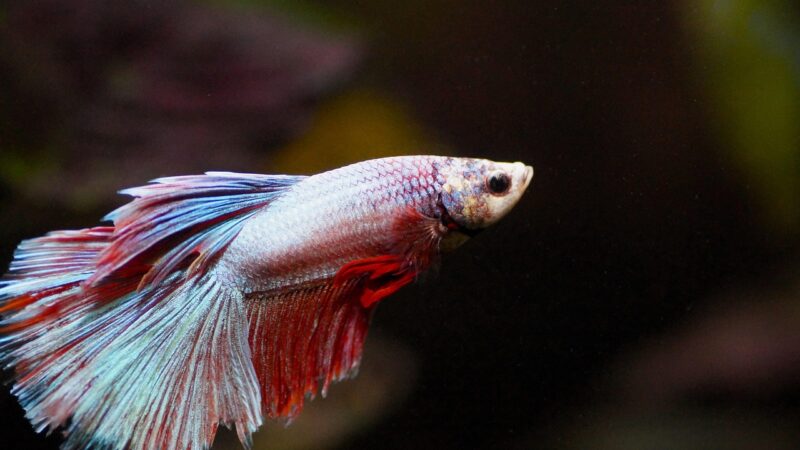
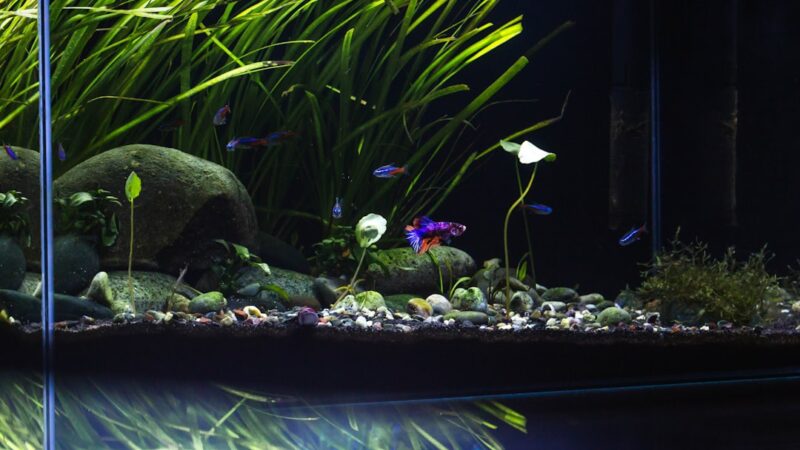
Responsibility starts with accepting what a bowl cannot do. It cannot house fish that need swimming room, stable temperatures, or strong filtration. A 5-litre bowl is not a home for bettas, goldfish, or guppies — full stop. What it can support are hardy invertebrates and plants that thrive in still, warm water with minimal filtration. If you want fish, the minimum responsible volume is 10-15 litres with a small filter and heater, which moves you into nano tank territory rather than a true bowl.
Choosing the Right Bowl
Select a bowl with a wide opening rather than a narrow-necked vase. Surface area determines gas exchange, and a constricted opening suffocates the water column. A 3-5 litre glass bowl with a mouth at least 15 cm across is the practical starting point. Avoid coloured or painted glass that blocks light from reaching plants. Clear borosilicate bowls are available on Shopee for $10-20 and resist thermal shock better than standard soda-lime glass.
Substrate and Hardscape at Miniature Scale
A thin layer (1-2 cm) of fine aqua soil or inert sand provides rooting medium without consuming excessive volume. One small stone and a tiny piece of driftwood give the bowl character and provide surface area for beneficial bacteria. Scale is everything — a rock that looks modest in a 60-litre tank will dominate and crowd a 5-litre bowl. Choose pieces no larger than your thumb.
Planting a Bowl
Low-light, slow-growing plants suit bowls because they tolerate limited water volume and produce less organic waste. Anubias nana “Petite” attached to the driftwood, a small Bucephalandra on the stone, and a carpet of Marsilea hirsuta create a lush yet manageable planting. Floating Salvinia minima provides shade and absorbs excess nutrients. Avoid fast-growing stems — they outgrow a bowl within days and crash the nutrient balance.
Suitable Inhabitants
Neocaridina davidi (cherry shrimp) are the safest choice. Three to five shrimp in a 5-litre planted bowl produce minimal waste and graze algae from every surface. Ramshorn or bladder snails add variety and serve as a cleanup crew. These invertebrates tolerate Singapore’s ambient temperature of 28-30 °C and the parameter fluctuations inherent in small volumes. If you insist on a fish, a single Boraras brigittae can survive in a well-planted 8-10 litre bowl — but a proper nano tank is always the better option.
Filtration and Water Quality
A bowl typically runs without a powered filter. Instead, the plants and substrate bacteria handle the minimal bioload from a few shrimp. Perform 30-40 % water changes twice a week using dechlorinated PUB tap water matched to the bowl’s temperature. A turkey baster or airline-tube siphon gives precise control for vacuuming detritus without disturbing the scape. Ammonia can spike dangerously fast in 5 litres, so test weekly with a liquid kit until the bowl is well established.
Lighting Options
A small clip-on LED desk lamp provides adequate light for low-demand plants. Position it 10-15 cm above the bowl on a timer set for 7-8 hours. USB-powered nano LEDs designed for bowls and wabi-kusa are available on Lazada for $15-30. Avoid direct sunlight — a bowl heats up far faster than a larger tank, and temperatures above 32 °C stress even hardy Neocaridina shrimp.
Where to Draw the Line
A responsibly maintained planted bowl is a beautiful desktop piece and a gateway into the planted tank hobby. But it is not a substitute for a proper aquarium when you want to keep fish. If the bowl sparks your interest, graduate to a 20-30 litre nano tank — the jump in stability, species options, and aquascaping potential is enormous. Think of the bowl as a miniature garden that happens to have water, not as a fish tank that happens to be small.
Related Reading