
Best Shrimp Food Compared: Pellets, Powders and Biofilm Boosters
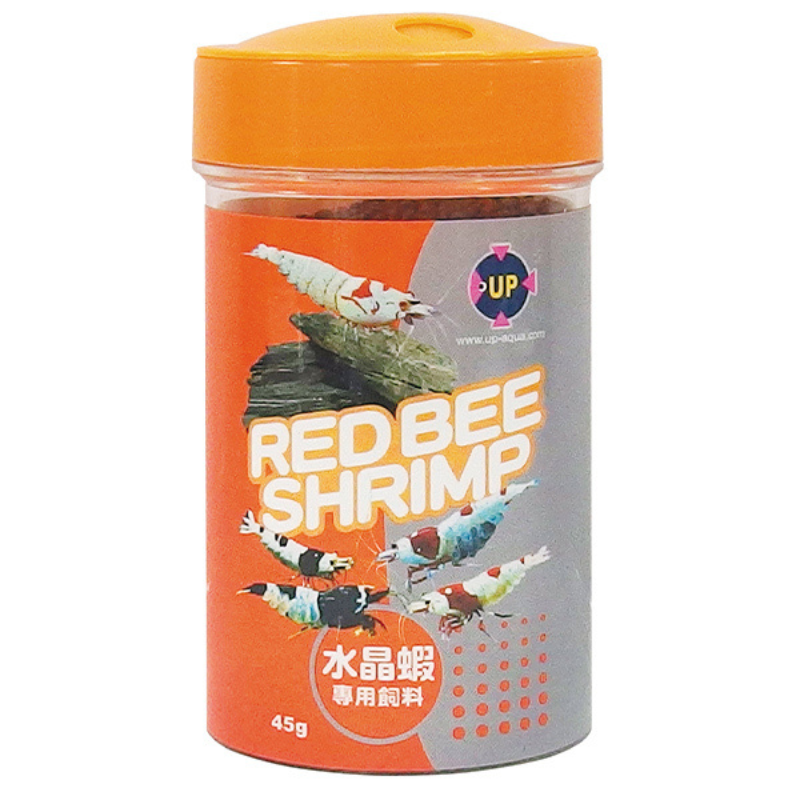
Dwarf shrimp are grazers at heart — in nature they spend most of their waking hours picking through biofilm, detritus, and decaying plant matter. Replicating this diet in an aquarium takes more thought than dropping in a generic flake once a day. Choosing the best shrimp food for your colony involves understanding the difference between supplemental feeding and baseline nutrition, and matching product format to your tank’s bioload and shrimp species. Gensou Aquascaping, with over 20 years of hands-on experience at 5 Everton Park, Singapore, breaks down the key categories so you can feed smarter.
Biofilm First: The Foundation of Shrimp Nutrition
Before discussing commercial food, it is worth acknowledging that a well-established, mature planted tank with driftwood, botanicals, and leaf litter provides a continuous biofilm food source that sustains shrimp colonies between feedings. Indian almond leaves, alder cones, and cholla wood all promote biofilm growth. Shrimp grazing on a steady biofilm supply are healthier, colour up faster, and moult more reliably than those dependent entirely on commercial food.
Biofilm boosters — products like SL-Aqua Biomax or GlasGarten Bacter AE — are powders you dose directly into the water column. They contain bacterial cultures and nutrients that accelerate biofilm development on hard surfaces. A light dusting twice a week is typically sufficient; overdosing causes bacterial blooms that cloud the water and stress livestock.
Sinking Pellets: The Workhorse Food Format
Sinking pellets are the most practical supplemental food for shrimp. A good pellet sinks quickly to the substrate, stays intact long enough for shrimp to graze rather than dissolving immediately, and does not cloud the water within minutes of dosing. Feed quantity should be calibrated so shrimp consume the pellet fully within 2–3 hours; remove any uneaten food to avoid ammonia spikes.
Shirakura Chi Ebi, SL-Aqua Z1, and Hikari Shrimp Cuisine are popular and consistently available through Singapore aquarium retailers and Shopee. Each has a slightly different formulation — Shirakura emphasises mineral content for moulting support, Hikari for protein, SL-Aqua for a blend weighted toward immune function. Rotating between brands across a week gives your shrimp dietary variety.
Powder and Micro-Particle Foods
Powdered foods are essential for newly hatched shrimp (shrimplets) and for colonies where you want continuous low-level feeding without large food drops. Products like GlasGarten Shrimp Baby Food or Borneowild Bebi consist of fine particles that suspend briefly in the water column before settling — ideal for baby shrimp too small to tackle a full pellet.
Powders are also useful for conditioning breeding females. A light dusting of high-protein powder 2–3 days before a female is due to berried (carrying eggs) can improve clutch size. Keep doses very small in established colonies — a little goes a long way, and excess powder fouls the substrate quickly.
Blanched Vegetables and Natural Supplements
Blanched zucchini, spinach, and cucumber are accepted enthusiastically by most Neocaridina and Caridina colonies. Blanch for 30–60 seconds in boiling water, cool, and drop a small piece into the tank. Remove after 4–6 hours. Spinach is particularly high in calcium — useful for shrimp building shells post-moult. Avoid seasoned, salted, or cooked vegetables; plain, fresh, and blanched only.
Dried mulberry leaves and nettle leaves are sold as specialty shrimp foods at around $5–$8 per pack locally. They soften slowly and shrimp graze on them over 12–24 hours, making them excellent for slow-release feeding during times when you are away.
Mineral-Focused Foods for Moulting Support
Successful moulting requires adequate calcium, magnesium, and trace minerals. Beyond water chemistry — which should always be the primary source of these minerals — dedicated moulting support foods exist. Dennerle Shrimp King Mineral and Shrimp King 5-in-1 are staples in the Singapore shrimp community, providing a blend of minerals alongside organic compounds. These are not everyday foods; once or twice a week alongside a standard pellet schedule is appropriate.
Cuttlebone placed in the tank provides a long-term calcium leach point and is a cheap supplement — available from pet shops that stock bird supplies for under $2. Break off a small piece and anchor it near the substrate.
Feeding Frequency: Less Is More
Overfeeding is the fastest way to crash water quality in a shrimp tank. Uneaten food decomposes rapidly in warm Singapore water (typically 26–28°C), driving up ammonia and nitrite. A light feed every second day is sufficient for most established colonies. On non-feeding days, the shrimp graze on biofilm and any residual organic matter in the substrate — and this is entirely healthy behaviour, not starvation.
Watch feeding behaviour closely: if the colony swarms a pellet and it is gone in under 30 minutes, you can increase slightly. If food sits untouched for 2 hours, you are overfeeding or the shrimp are not hungry — reduce quantity and frequency.
Choosing Based on Your Colony Size
A nano colony of 20–30 shrimp in a 20-litre tank needs tiny amounts — half a pellet or a pinch of powder every other day. Larger colonies of 100+ in a 60-litre tank can handle full pellets daily alongside biofilm supplementation. When in doubt, underfeed and observe. At Gensou Aquascaping, we carry a rotating selection of shrimp foods and are happy to advise on a feeding schedule matched to your specific tank setup.
Related Reading



