Best Drip Acclimation Kits for New Fish and Shrimp
Drip acclimation is one of those techniques that separates casual fish keepers from practitioners who rarely lose livestock during transit and introduction. By slowly equalising water chemistry over 30–90 minutes instead of the common “float the bag for 15 minutes” method, you dramatically reduce osmotic shock, pH stress, and temperature-related losses. The best drip acclimation kit does not have to be expensive — in fact, many of the most effective setups cost under $10. This guide from Gensou Aquascaping, Singapore, covers both DIY and commercial options for safely bringing new fish and shrimp into your tank.
Why Drip Acclimation Matters More for Shrimp
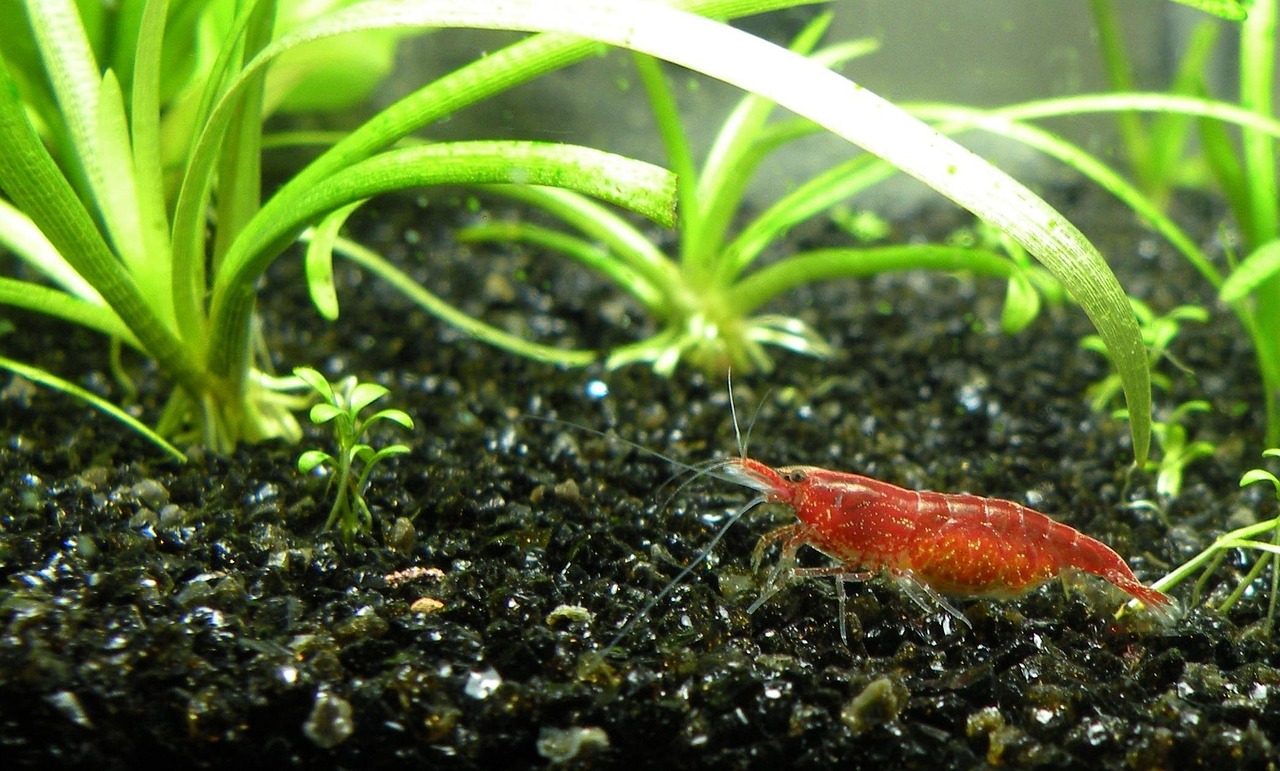
Fish can tolerate moderate water parameter shifts reasonably well; shrimp — particularly Caridina species — cannot. A TDS difference of 50 ppm between shipping water and tank water, introduced too quickly, can kill crystal red shrimp within hours of release. Osmotic stress causes visible signs: shrimp that rocket around the tank, flip onto their sides, or sit motionless on the substrate shortly after introduction have been acclimated too fast. Drip acclimation introduces tank water at a slow, controlled rate so the animals adjust gradually as the chemistry converges.
Fish are generally more forgiving but still benefit from drip acclimation when coming from significantly different pH, GH, or salinity conditions — common when sourcing from different parts of Singapore’s aquarium trade or from Carousell sellers whose water parameters you cannot verify in advance.
The DIY Drip Kit: Simple and Reliable
A basic drip kit requires only a few items: airline tubing, a control valve (the small plastic valves sold alongside air pumps for $1–$2), a bucket or shallow container, and a clip to hold the airline above the bucket. Run airline tubing from the tank down to the bucket where the new fish or shrimp sit in their original water. Tie a loose overhand knot in the tubing to create a flow restrictor, or use the control valve, and adjust until you get 2–3 drops per second. This produces a flow of roughly 100–150 ml every 15 minutes — gentle enough for sensitive Caridina shrimp.
One end of the tubing must be submerged in the tank; use a clip, suction cup, or weight to keep it stable. Start the siphon by sucking gently on the bucket end — once flow begins, adjust and leave it running. The whole setup costs under $5 using parts from any local aquarium shop.
Commercial Drip Acclimation Kits
Commercial kits replace the DIY tubing-and-knot system with a more precise flow-control valve and sometimes include a dedicated acclimation bucket or container. The Seachem Acclimation System is a well-known option, including a tubing set with an integrated control valve that dials in flow rate more precisely than a knotted airline. Available locally for around $15–$25.
Generic airline drip kits sold on Shopee and Lazada for $5–$12 offer the same core function — a length of airline tubing with a control valve and sometimes a suction cup and clip included. For most purposes, these work identically to the name-brand version. The important factor is the valve quality: cheap valves can be difficult to dial down to a slow drip without fully shutting off.
Acclimation Container Options
The container holding your new livestock matters. A standard bucket works, but tall buckets are awkward for small fish or shrimp — they swim close to the bottom and are hard to net out at the end. Shallow, wide containers like a rectangular food storage box (20 × 15 × 10 cm) give you a large surface area for gas exchange and make netting easy. Keep the container covered loosely — newly arrived fish will jump when stressed, and shrimp can climb airline tubing and escape.
Never use soap-cleaned containers for acclimation. Residual surfactant is lethal to shrimp. Rinse with hot water only, then rinse once more with old tank water before use.
Flow Rate Guidelines
For Neocaridina shrimp: 2–3 drops per second, acclimate for 45–60 minutes. For Caridina shrimp: 1–2 drops per second, acclimate for 60–90 minutes, especially if TDS difference is greater than 50 ppm. For robust fish (tetras, danios, rasboras): 3–4 drops per second, 30–45 minutes is adequate. For sensitive species (wild-caught discus, apistogramma, or fish coming from heavily altered water): treat like Caridina and take the full 90 minutes.
Once the container volume has at least doubled from the original shipping water volume, the water chemistry in the container is close enough to your tank that the livestock can be transferred. Use a fine net to scoop fish and shrimp — try not to transfer any acclimation water into the display tank, as shipping water can carry pathogens or unfavourable water chemistry.
Temperature Acclimation Alongside Drip
Drip acclimation handles chemistry, but temperature must be addressed simultaneously. In Singapore’s warm indoor environment (typically 26–30°C), most tropical species will not experience major temperature shock unless they have been shipped in heavily chilled water. Float the bag or container in the tank for 10–15 minutes before starting the drip — this brings the temperature close enough that chemistry acclimation is the only remaining variable.
After Acclimation: First Hours in the Tank
Dim the lights for 2–4 hours after introducing new livestock. Reduce current slightly if your filter output is adjustable. Avoid feeding immediately — newly arrived animals are stressed and unlikely to eat, and uneaten food degrades water quality at exactly the wrong time. Check in after an hour to confirm all animals are active and orientating normally. Shrimp that are walking and exploring are a good sign; shrimp lying still or on their sides need prompt attention. At Gensou Aquascaping, we acclimate every incoming shipment this way — it is simple, costs almost nothing, and the difference in survival rates is substantial.
Related Reading