
Best Check Valves for Aquarium CO2 and Air Lines
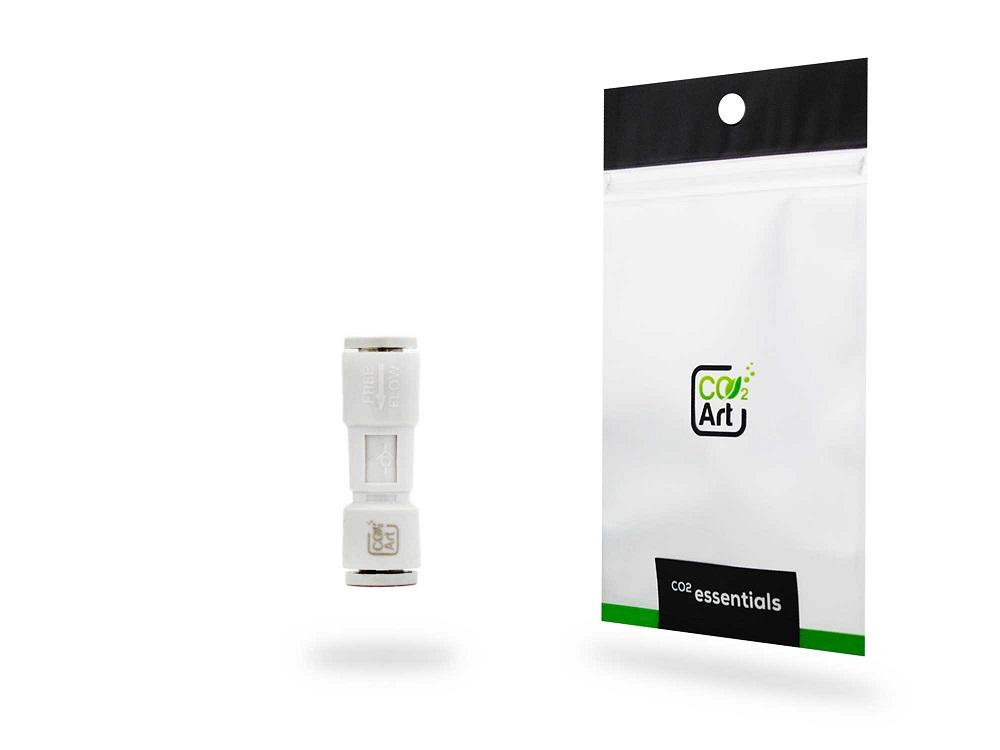
A check valve is a small fitting that prevents water from siphoning back through your air or CO2 line when a pump stops or loses pressure. Without one, a power outage or equipment failure can send tank water flowing backwards into your air pump, CO2 solenoid, or regulator — destroying expensive equipment and potentially causing electrical hazards. Finding the best check valve for CO2 and air aquarium lines is a small investment — typically $2–15 — that protects equipment worth ten to twenty times more. At Gensou Aquascaping, 5 Everton Park Singapore, we consider check valves non-negotiable on every CO2 and air line setup.
How a Check Valve Works
A check valve contains a small spring-loaded or gravity-operated flap that allows gas to pass in one direction only. When forward pressure from the pump or cylinder is present, the flap opens and gas flows normally to the diffuser or airstone. When pressure drops — power outage, cylinder empty, pump failure — the flap closes instantly, preventing reverse flow. The simplest designs have no moving parts other than the flap itself; this simplicity is a reliability advantage, not a weakness.
CO2 Line Check Valves
CO2 systems operate at much higher pressure than air lines — typically 0.5–2 bar working pressure from the regulator — and require check valves rated for gas pressure rather than just water back-pressure. A standard aquarium air line check valve will often fail under CO2 working pressures and can allow CO2 to bypass it during normal operation, wasting gas. Look for check valves specifically rated for CO2 use, with a cracking pressure (the minimum pressure to open the valve) below 0.1 bar and a maximum rating of at least 3 bar. Brass-bodied CO2 check valves from brands like UP Aqua or Rhinox are available from local CO2 equipment suppliers at around $8–15 and are significantly more reliable than generic plastic alternatives.
Air Line Check Valves
For standard air pump lines — feeding airstones, sponge filters, and undergravel filters — a simple plastic check valve at $1.50–4 per unit is perfectly adequate. The key specification is the internal bore matching your air line diameter: standard airline tubing in Singapore is 4–6 mm internal diameter. A mismatched valve creates restriction and reduces airflow noticeably, which matters for sponge filters in fry tanks where consistent flow is critical. Clear-bodied valves let you see the flap position and confirm the valve is seated correctly.
Common Failure Points
Check valves fail in two ways: they stick open (allowing backflow) or stick closed (blocking forward flow). Sticking open is almost always caused by debris — a particle of algae or substrate trapped against the flap seat. Sticking closed is usually caused by mineral deposits from Singapore’s water supply calcifying the flap spring. Inspect check valves every three months and replace them annually as a matter of routine maintenance. A failed check valve that has stuck open is invisible until a power outage reveals its failure — at the cost of your air pump and potentially your regulator.
Inline vs. Barbed Fittings
Inline check valves sit mid-line in a length of tubing and are held in place by friction fit over barbed ends. This design is easy to install and remove for inspection. Barbed end-fitting valves thread into a manifold or connect directly to equipment ports. For most hobbyist applications, inline valves are simpler and allow repositioning without cutting lines. Ensure the valve is oriented correctly — most are marked with an arrow indicating flow direction. Installing a valve backwards is the most common installation error and produces exactly the opposite of the intended effect.
Where to Position the Check Valve
Place the check valve as close to the tank as practical — within 30 cm of the entry point into the water. This minimises the volume of line that could siphon water back before the valve stops the flow. For CO2 lines entering via a drop checker or diffuser mounted below water level, the risk of siphon is higher than for surface-mounted equipment, making correct valve placement even more important. Never position a check valve below the waterline; it must remain dry and accessible for inspection.
Buying in Singapore
Check valves are stocked at virtually every aquarium shop and on Shopee. For CO2-specific valves, aquarium shops in the Serangoon North Avenue 1 area typically stock a better range of CO2-rated fittings than general pet stores. Buying two or three spares at the time of initial purchase costs little and ensures you always have a replacement on hand when one fails at an inconvenient moment — which they reliably do at the worst possible time.
Related Reading



