
Aquarium Power Outage: Emergency Guide for Singapore
Table of Contents
- Power Outages and Your Aquarium
- Immediate Concerns: What Fails First
- Short Outage: Under 4 Hours
- Long Outage: 4 Hours and Beyond
- Building an Aquarium Emergency Kit
- UPS and Generator Options
- Recovery After Power Returns
- Frequently Asked Questions
Power Outages and Your Aquarium
Power outages in Singapore are rare thanks to our exceptionally reliable electrical grid, but they do happen. Construction works, electrical faults in older HDB blocks, severe thunderstorms, and scheduled maintenance shutdowns by SP Group can all leave you without power for hours or, in exceptional cases, longer.
For aquarium keepers, a power outage means everything stops at once: filtration, aeration, heating (or cooling), and lighting. While your fish will not notice the lights going off, the loss of filtration and oxygenation creates a ticking clock that demands prompt action.
The good news is that with basic preparation and quick thinking, most aquariums can survive outages of several hours without any losses. This guide covers exactly what to do, step by step.
Immediate Concerns: What Fails First
Not all systems fail at the same rate. Understanding the hierarchy of risk helps you prioritise your response:
| System | Risk Timeline | Priority |
|---|---|---|
| Oxygen (aeration/surface agitation) | 1–3 hours in heavily stocked tanks | Highest |
| Filter bacteria | 4–6 hours without water flow | High |
| Temperature | Slow change; less critical in SG climate | Medium |
| CO2 (planted tanks) | Not a concern — CO2 should be off anyway | Low |
| Lighting | Plants and fish tolerate days without light | Lowest |
Oxygen Is Your Top Priority
When your filter and air pump stop, surface agitation ceases and oxygen exchange drops dramatically. In heavily stocked tanks, dissolved oxygen can fall to dangerous levels within one to three hours. Fish will begin gasping at the surface — this is an emergency sign that requires immediate action.
Filter Bacteria: The Hidden Danger
Your biological filter media is home to billions of beneficial bacteria that process ammonia and nitrite. These bacteria are aerobic — they need a constant flow of oxygenated water to survive. When your filter stops, the water inside the canister or chamber becomes stagnant and oxygen-depleted. After four to six hours, bacterial die-off begins. After 12 hours or more, a significant portion of your biological filtration may be dead.
This is why the recovery period after power returns can be more dangerous than the outage itself — turning on a filter full of dead bacteria can release ammonia and hydrogen sulphide into your tank.
Temperature: Less Critical in Singapore
Unlike hobbyists in temperate climates who worry about their tanks getting too cold, Singapore’s ambient temperature of 28–32°C means most tropical fish are already within their comfort range without a heater. If anything, tanks in non-air-conditioned HDB flats may warm slightly during an outage if the chiller stops. For most setups, temperature is a secondary concern.
Short Outage: Under 4 Hours
For outages under four hours, your aquarium will almost certainly be fine with minimal intervention. Here is what to do:
- Do not panic. A healthy, moderately stocked tank has enough dissolved oxygen to last several hours.
- Open the tank lid to increase the surface area exposed to air. If you have a rimless tank, you are already fine.
- Manually agitate the surface every 30–60 minutes. Use a jug or cup to scoop water and pour it back from a height. This simple action dramatically increases oxygen exchange.
- Do not feed your fish. Feeding increases oxygen demand and ammonia production.
- Leave the filter alone. Do not open it or try to “help” the bacteria. The water inside the sealed canister retains enough oxygen for several hours.
- Turn off your CO2 solenoid if you have a planted tank with pressurised CO2. Without water circulation, CO2 will accumulate and deplete oxygen.
When power returns after a short outage, everything should restart normally. Monitor your fish for signs of stress and test your water parameters the following day as a precaution.
Long Outage: 4 Hours and Beyond
Outages exceeding four hours require more active intervention. Your biological filter is at risk, and oxygen levels may be critically low in stocked tanks.
Deploy a Battery Air Pump
A battery-operated air pump is the single most important piece of emergency equipment for any fishkeeper. These compact devices run on D-cell batteries or USB rechargeable batteries and can provide aeration for 12–48 hours depending on the model.
Place the airstone near the surface to maximise oxygen exchange. If you do not have a battery air pump, continue manual surface agitation every 20–30 minutes.
Stop Feeding Entirely
Do not feed your fish for the duration of the outage and for 24 hours after power returns. Fish can easily go several days without food. Feeding during an outage adds ammonia to a system that cannot process it.
Address the Filter
If the outage extends beyond six hours, your canister filter is a concern. The water inside has become oxygen-depleted, and bacteria are beginning to die. You have two options:
- Option A: Open the canister, remove the media trays, and place them in a bucket of tank water with your battery air pump. This keeps the bacteria alive and oxygenated.
- Option B: Leave the filter sealed and plan to rinse the media in tank water when power returns before restarting (see Recovery section below).
Temperature Management
In Singapore’s climate, temperature is rarely a critical issue during outages. However, if you keep cold-water or temperature-sensitive species (such as Crystal Red Shrimp that prefer 22–25°C), the rising ambient temperature could be a concern if your chiller is off.
To cool the tank slightly: float sealed plastic bags or bottles of cold water (from your freezer, which retains cold for hours after a power cut). Do not add ice directly, as rapid temperature changes are more dangerous than a gradual rise.
To warm the tank (unlikely in Singapore, but possible in heavily air-conditioned rooms): wrap the tank in towels or blankets to insulate it.
Building an Aquarium Emergency Kit
Every fishkeeper in Singapore should have a basic emergency kit ready. Here is what to include:
| Item | Purpose | Approximate Cost (SGD) |
|---|---|---|
| Battery air pump (USB rechargeable) | Emergency aeration | $15–$30 |
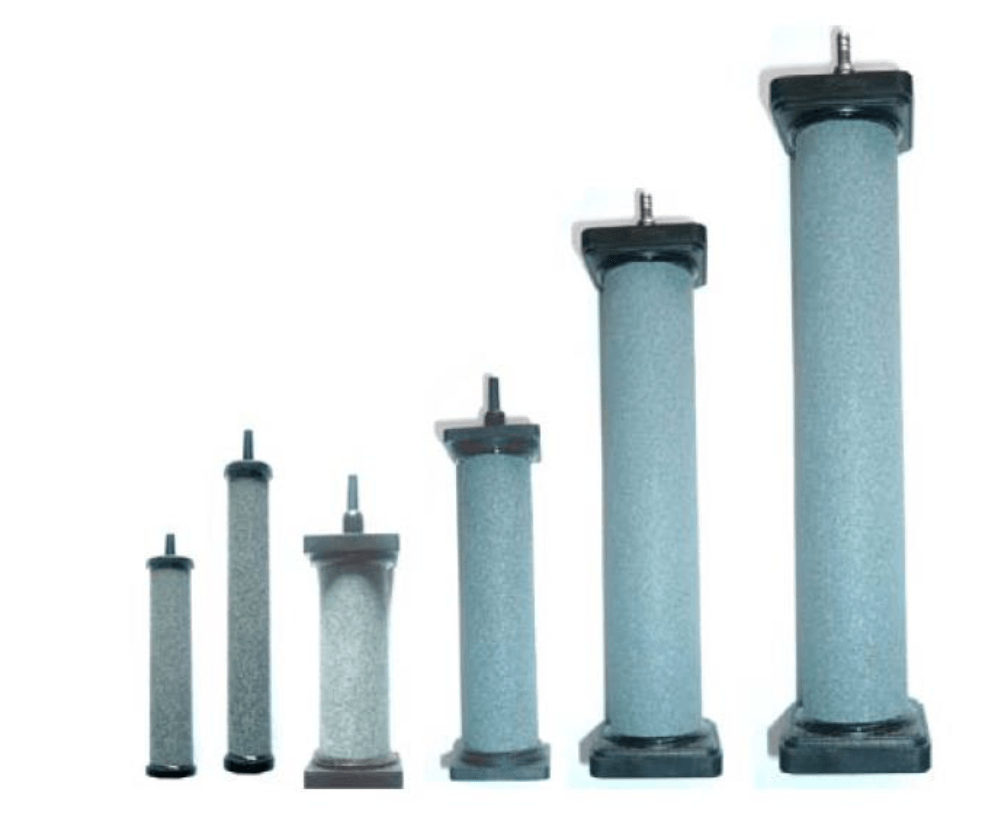
| Spare airstone and airline tubing | For the battery air pump | $3–$5 |
| Seachem Prime (250 ml) | Emergency ammonia detoxification | $12–$18 |
| Ammonia test kit | Post-outage water testing | $10–$15 |
| Spare batteries (D-cell or USB power bank) | Extended air pump operation | $10–$20 |
| Bacterial starter (e.g., Seachem Stability) | Re-seeding filter after long outage | $12–$18 |
Store this kit near your aquarium so it is immediately accessible. A USB power bank (20,000 mAh or larger) can run a USB air pump for 24 hours or more and doubles as a phone charger during the outage.
UPS and Generator Options
For hobbyists with high-value livestock or large setups, a UPS (uninterruptible power supply) or portable generator provides peace of mind.
UPS Systems
A computer-grade UPS can keep a small air pump and possibly a return pump running for several hours. Look for models with at least 600 VA capacity. They switch on instantly when power drops, with no gap in operation. The downside is limited runtime — typically two to four hours for aquarium equipment.
Portable Power Stations
Portable lithium power stations (such as EcoFlow or Bluetti models available in Singapore) offer much larger battery capacities. A 500 Wh unit can run an air pump and a small filter for 12–24 hours. These are an excellent investment if you keep sensitive livestock or live in an area prone to occasional outages.
Petrol Generators
For landed property owners, a small petrol generator (1,000–2,000 W) can power your entire aquarium setup indefinitely. However, generators must be operated outdoors due to carbon monoxide emissions and are not practical for HDB or most condo residents.
Recovery After Power Returns
How you handle the recovery period is just as important as what you do during the outage. Follow these steps:
- If the outage was under 4 hours: Simply let everything restart normally. Monitor for any issues over the next 24 hours. Test ammonia and nitrite the following day.
- If the outage was 4–12 hours: Before restarting your canister filter, open it and smell the water inside. If it smells strongly of rotten eggs (hydrogen sulphide), do not pump that water into your tank. Rinse the media gently in a bucket of tank water, refill the canister with fresh dechlorinated water, and then restart.
- If the outage exceeded 12 hours: Assume significant bacterial die-off in your filter. Rinse all media in tank water, restart the filter, and dose a bacterial starter product (Seachem Stability, API Quick Start) daily for a week. Dose Seachem Prime to detoxify ammonia during this recovery period. Test water parameters daily and perform water changes as needed.
- Resume feeding gradually: Start with a small amount of food 24 hours after power returns. Your filter’s capacity to process ammonia may be reduced, so feed lightly for the first week.
For detailed guidance on managing ammonia during the recovery period, see our article on ammonia spikes in aquariums.
Frequently Asked Questions
How long can aquarium fish survive without a filter running?
In a moderately stocked, well-maintained tank, fish can survive several hours without filtration. The limiting factor is usually dissolved oxygen rather than ammonia buildup. With manual surface agitation or a battery air pump, most tanks can handle 12–24 hours without filtration. Heavily stocked tanks or those with large fish are at greater risk and may see problems within two to four hours without aeration.
Should I do a water change during a power outage?
Generally, no. Without a functioning filter, a large water change can further disrupt the system. The exception is if you detect ammonia building up and you have dechlorinated water available. In that case, a 30–50% water change using properly conditioned PUB tap water can help. Remember that without power, you will need to siphon and refill manually.
Do I need to worry about my aquarium plants during an outage?
Plants are extremely resilient and can easily survive days without light, CO2, or filtration. They will not suffer any permanent damage from outages lasting less than 48 hours. In fact, plants help during outages by providing some oxygen through residual photosynthesis from ambient room light. Your primary concern should always be your fish and filter bacteria, not your plants.
Can a power surge when electricity returns damage my equipment?
Power surges are possible when electricity is restored, though Singapore’s grid is generally well regulated. To protect your equipment, consider plugging your aquarium gear into a surge protector. If you are concerned, unplug your equipment before power returns and plug items back in one at a time. This also prevents your filter from restarting and pumping potentially toxic stagnant water into the tank before you have had a chance to check it.
Professional Aquarium Support
At Gensou Aquascaping, we understand that emergencies happen. With over 20 years of experience maintaining aquariums across Singapore, we have helped countless hobbyists recover from power outages, equipment failures, and other crises. Our maintenance services include regular equipment checks and emergency response.
Visit us at 5 Everton Park, Singapore, or reach out for advice on protecting your aquarium investment. Prevention is always better than cure.
Related Reading



