How to Set Up a Shrimp Breeding Rack: Multi-Tank System
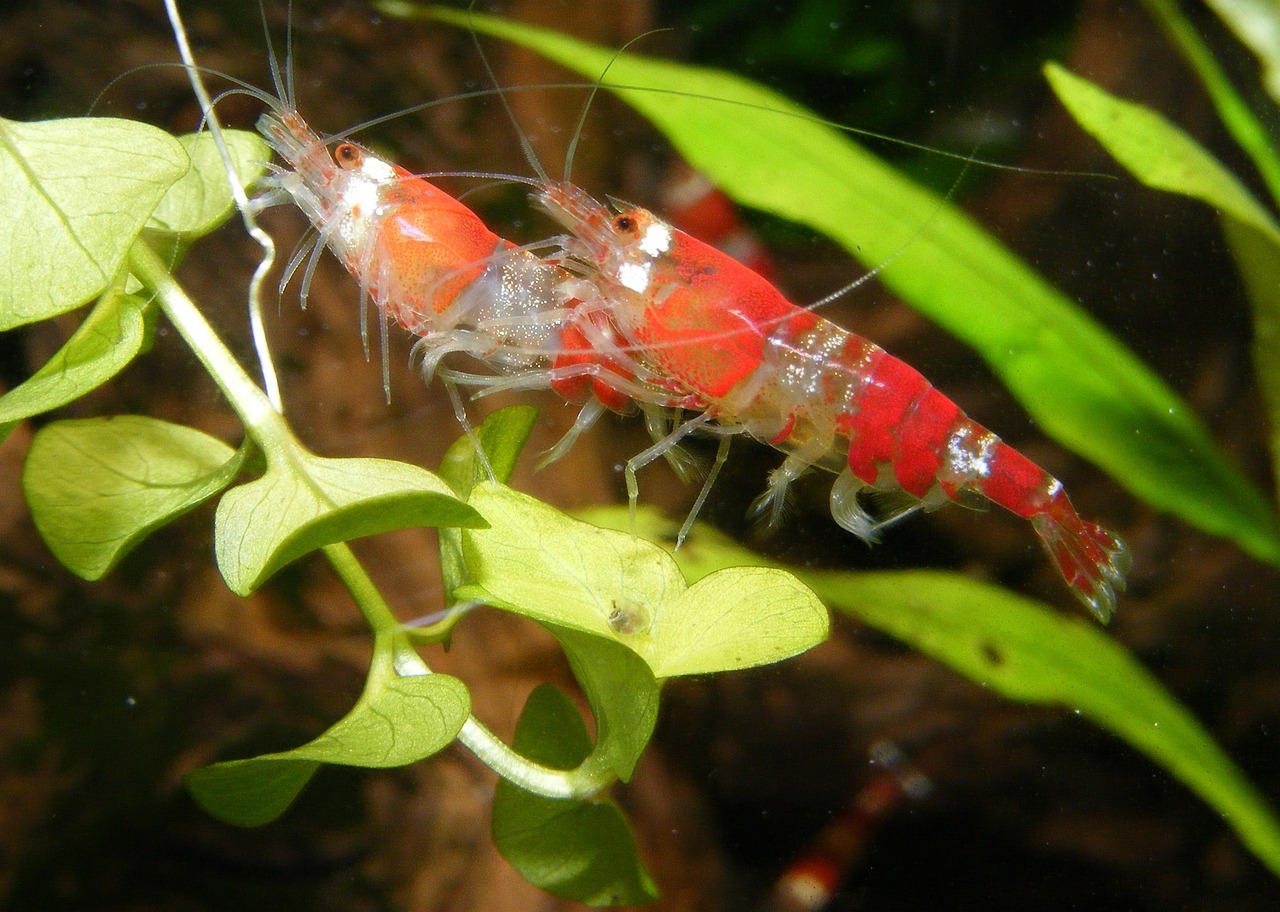
Serious shrimp breeders eventually outgrow a single tank. A dedicated breeding rack lets you isolate colour lines, separate grades and raise juveniles without cross-contamination. This guide to setting up a shrimp breeding rack covers the practical steps from shelf selection to water management. Gensou Aquascaping at 5 Everton Park, Singapore has helped local breeders design rack systems for HDB flats and home offices, drawing on over 20 years of experience in the hobby.
Choosing the Right Shelving Unit
Heavy-duty metal rack shelving rated for at least 150 kg per tier is the standard choice. A four-tier unit measuring 120 cm wide, 45 cm deep and 180 cm tall comfortably holds six to eight nano tanks. Avoid particle-board furniture, which warps when exposed to moisture and humidity. In Singapore’s climate, surface rust can develop on bare steel, so powder-coated or stainless-steel racks last far longer. Place rubber pads or a thin foam mat under each tank to cushion against vibration and uneven surfaces.
Tank Size and Configuration
Most breeders use rimless glass tanks between 15 and 30 litres each. Uniform tank sizes simplify water changes, equipment purchases and dosing calculations. Arrange tanks with enough clearance between the water surface and the shelf above for feeding, netting and light fixtures. A 25 cm gap is usually sufficient. Label each tank with the species, line and date of the colony’s last cull so you can track breeding progress at a glance.
Filtration for Multi-Tank Racks
Sponge filters powered by a central linear air pump are the most practical solution for rack systems. A single Hailea or Resun air pump with a multi-outlet manifold can drive eight to twelve sponge filters simultaneously. Sponge filters are shrimp-safe, provide biological filtration and are inexpensive to replace. Use airline tubing with individual gang valves so you can adjust airflow to each tank independently. A check valve on every line prevents back-siphoning if the pump stops.
Lighting Across Multiple Tanks
LED clip-on lights or slim bar LEDs work well for rack setups where overhead space is limited. A light output of 20-40 lumens per litre supports mosses and low-demand plants like Bucephalandra and Java fern without encouraging algae. Connect all lights to a single timer set for seven to eight hours daily. Consistent photoperiods across every tank keep plant growth predictable and reduce the time you spend troubleshooting individual tanks.
Water Preparation and Change Routine
Prepare a large batch of remineralised water in a 60-80 litre storage container the day before water changes. For Caridina lines, use RO water remineralised with Salty Shrimp GH+ to a TDS of 100-130 ppm. For Neocaridina, dechlorinated Singapore tap water adjusted to 180-250 ppm TDS works well. Drip the new water into each tank using airline tubing and a control valve at a rate of roughly one litre per minute. This slow drip method prevents parameter shock that causes failed moults.
Temperature Control in Singapore
Ambient temperatures of 28-31 °C in most rooms push beyond the comfort zone of many Caridina species. A standing fan or ceiling fan directed at the rack lowers water temperature by 1-2 °C through evaporative cooling. For more sensitive lines, a small room air-conditioner set to 25 °C provides the stability that high-grade Taiwan Bee or Galaxy Pinto shrimp demand. Factor electricity costs into your breeding budget, as running air-conditioning 24/7 adds $80-150 per month depending on room size.
Record Keeping and Culling Strategy
Maintain a simple spreadsheet or notebook logging each tank’s parameters, colony size, berried females and cull dates. Culling lower-grade shrimp into a separate community tank ensures your breeding lines improve with each generation. Sell or trade culls on Carousell or local shrimp groups to offset costs. A well-managed rack of six tanks can sustain three to four distinct colour lines, giving you enough genetic diversity to keep producing high-grade offspring without constant new stock purchases.
Related Reading
- How to Set Up a Nano Shrimp Tank: Complete Beginner Guide
- How to Set Up an Aquarium Breeding Rack at Home
- How to Set Up a Betta Tank Properly: Space, Heat and Enrichment
- How to Set Up a Blackwater Aquarium: Tannins, Leaves and Soft Water
- How to Set Up a Community Tank: Species, Layout and Rules
While a shrimp breeding rack scales up your colony, the same principles apply to a single unit, which you can explore in our guide on setting up a breeding tank.

emilynakatani
Still Have Questions About Your Tank?
Drop by Gensou Aquascaping — most walk-in questions get answered in under 10 minutes by someone who has set up hundreds of tanks.
5 Everton Park #01-34B, Singapore 080005 · Open daily 11am – 8pm