
Sumatran Peat Swamp Biotope Aquascape: Dark Tannin Waters
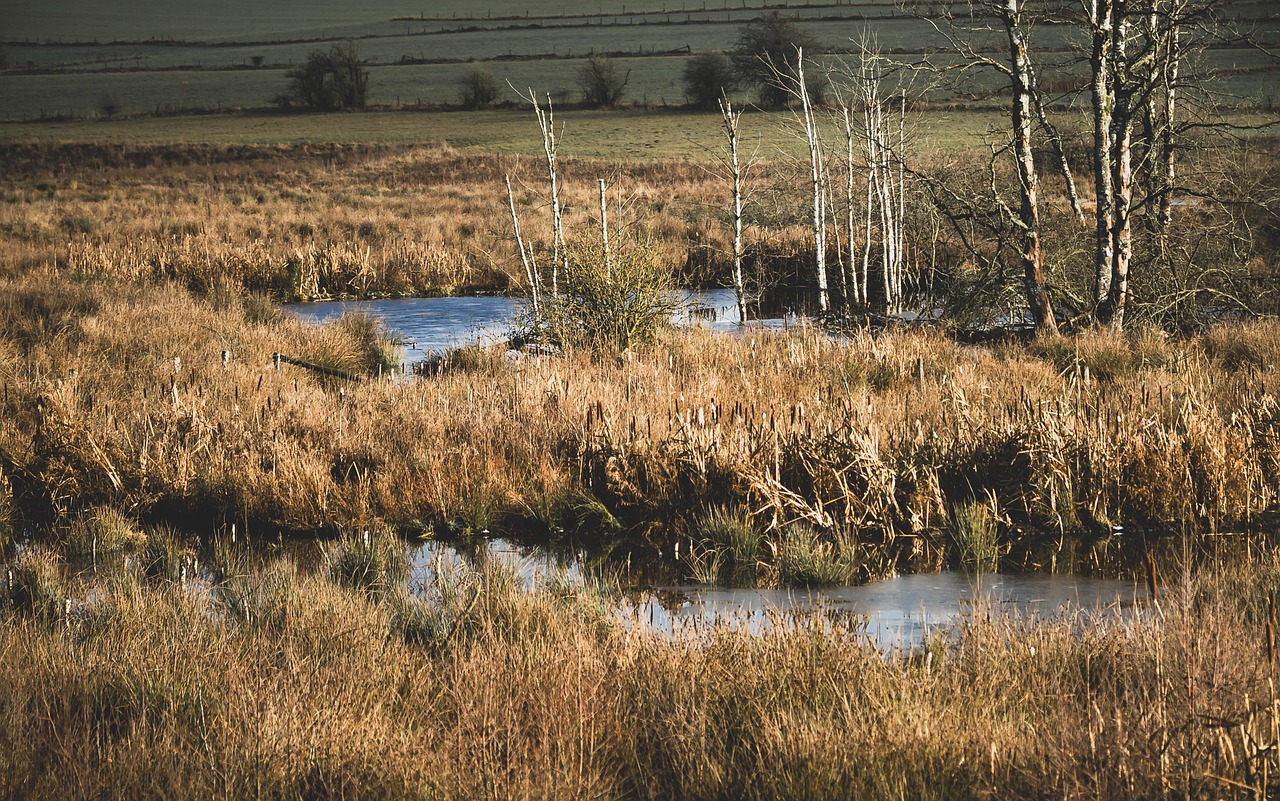
Dark, tea-stained water flowing through submerged roots and decomposing leaves defines the Sumatran peat swamp biotope aquascape, one of the most atmospheric styles in the hobby. These ancient swamps in Sumatra, Borneo, and Peninsular Malaysia shelter extraordinary fish like chocolate gouramis, licorice gouramis, and wild bettas adapted to extremely acidic, mineral-poor conditions. This guide from Gensou Aquascaping in Singapore shows you how to build an authentic blackwater swamp tank that honours these unique ecosystems.
The Natural Peat Swamp Environment
Sumatran peat swamps are flooded forests where centuries of decaying organic matter produce water with a pH as low as 3.5-4.5. Tannins from leaves, bark, and roots stain the water a deep amber-brown. Light penetration is minimal. The substrate is a thick layer of decomposing plant matter over peat, with almost no dissolved minerals. These are some of the softest, most acidic freshwater habitats on earth. Replicating them faithfully creates a hauntingly beautiful aquarium.
Tank Setup and Dimensions
A 60-90 litre tank is sufficient for a peat swamp biotope, since most native species are small. Low, wide tanks work well, though standard dimensions are perfectly acceptable. Keep lighting subdued: a single low-intensity LED set to warm tones mimics the dim, filtered light that reaches the swamp floor. Tinted water further reduces light penetration, creating a natural dusk-like atmosphere throughout the day.
Creating the Substrate Layer
Start with a base of inert sand or fine gravel, then add a generous layer of dried leaf litter. Indian almond leaves (Terminalia catappa) are the most accessible option in Singapore, available at most local fish shops for $2-$5 SGD per bag. Layer them 3-5 cm deep across the tank floor. Over time, they decompose, releasing tannins and creating the brown water characteristic of peat swamps. Supplement with smaller leaves like guava or oak for textural variety.
Hardscape: Driftwood and Roots
Tangled root structures are the centrepiece of any peat swamp layout. Spider wood, mopani wood, and Malaysian driftwood all release tannins and create the chaotic network of submerged roots found in natural swamps. Position larger pieces to lean and intertwine, leaving shadowy hiding spots beneath. Avoid rocks entirely. Natural Sumatran swamps have virtually no mineral substrate, so stone would look out of place. Budget $20-$50 SGD for driftwood from aquascaping shops or Carousell.
Water Chemistry
Target pH 4.5-6.0, GH 0-2, and KH 0-1 for an authentic swamp environment. This means using RO water remineralised minimally or not at all. Singapore’s tap water, while soft, is still too high in pH and mineral content for the most sensitive species. Add peat extract, Indian almond leaf extract, or commercial blackwater conditioners to lower pH and tint the water. Monitor parameters weekly with reliable test kits, as the buffering capacity in such soft water is almost zero, meaning pH can shift rapidly.
Stocking With Native Swamp Species
Chocolate gouramis (Sphaerichthys osphromenoides) are the iconic peat swamp fish, mouthbrooders that thrive only in soft, acidic blackwater. Licorice gouramis (Parosphromenus species) are tiny jewels that display stunning colours under dim lighting. Wild-type bettas like Betta coccina and Betta persephone are perfect tankmates. For the lower zone, Pangio kuhli loaches navigate leaf litter naturally. Stock lightly, as these habitats are nutrient-poor and support modest fish densities.
Source fish from reputable Singapore breeders or specialist importers. Wild-caught peat swamp species can be delicate during acclimatisation, so drip acclimate over at least an hour.
Plants in a Peat Swamp Biotope
True peat swamps support very few aquatic plants due to extreme acidity and low light. Cryptocoryne species, particularly C. griffithii and C. cordata, are among the few plants found in these habitats. Java moss draped over driftwood adds subtle green tones without breaking the biotope’s authenticity. Resist the urge to plant heavily. The beauty of this layout lies in wood, leaves, and shadow, not lush greenery.
Maintenance and Long-Term Care
Replace decomposing leaves every 4-6 weeks to maintain tannin levels and prevent excessive organic buildup. Small, frequent water changes of 10-15 percent weekly with matched RO water keep conditions stable without shocking inhabitants accustomed to very low mineral content. Avoid aggressive filtration that strips tannins. A gentle sponge filter or small HOB with reduced flow suits the still-water nature of a swamp. This biotope rewards patience, as the subtle beauty of darkwater and shy, colourful fish unfolds slowly over months.
Related Reading



