
How to Fix Surface Film on Aquarium Water Without a Skimmer
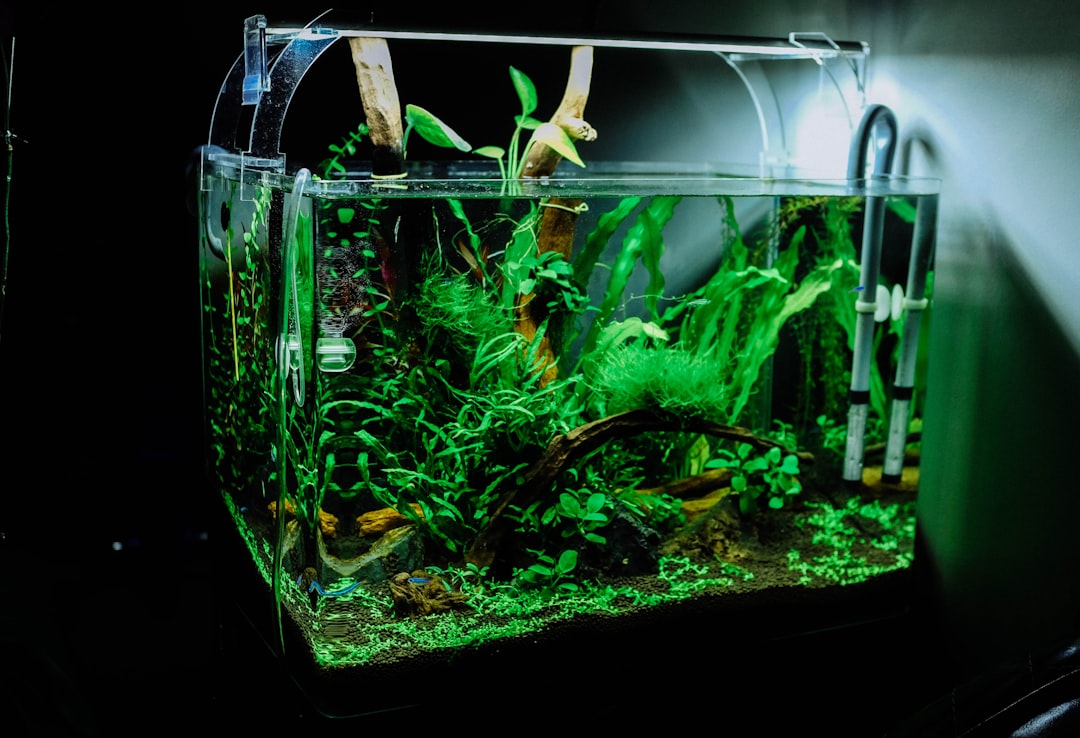
That greasy, rainbow-sheened layer sitting on top of your tank is more than an eyesore — it blocks gas exchange and dims the light reaching your plants. If you have been searching for a reliable fix surface film aquarium water guide that does not require buying a dedicated skimmer, you are in the right place. Gensou Aquascaping in Singapore has dealt with surface film across hundreds of client tanks over two decades, and most solutions cost nothing at all.
What Causes Surface Film
Surface film is a biofilm composed of proteins, oils, and bacteria that accumulate at the air-water interface. Common culprits include oily fish foods, decomposing plant matter, bacterial blooms during cycling, and even oils from your hands when you reach into the tank. In Singapore’s humid climate, tanks in air-conditioned rooms experience temperature differentials between the cool water surface and warm ambient air, which can slow surface agitation and worsen the problem.
Increase Surface Agitation
The simplest and most effective fix is breaking up that still surface. Angle your filter outflow so it ripples the top 1–2 cm of water. For hang-on-back filters, lowering the water level slightly so the return creates a gentle waterfall works well. A small air stone placed near one corner of the tank provides constant disruption. Even a USB-powered nano air pump — available on Lazada for under $10 — generates enough bubbles to keep the surface moving.
Be careful not to overdo agitation if you inject CO2. Excessive surface movement drives off dissolved carbon dioxide, reducing its effectiveness for plant growth. A light ripple is enough to break film without significant CO2 loss.
The Paper Towel Method
For an immediate fix, lay a sheet of plain kitchen paper towel flat on the water surface, wait five seconds, then peel it off slowly. The film clings to the paper. Repeat two or three times until the surface looks clear. This is a quick cosmetic solution — perfect before photographing your aquascape or hosting guests — but it does not address the root cause, so the film will return within hours.
Add Surface-Dwelling Fish or Snails
Certain livestock actively consume surface film as part of their natural feeding behaviour. Poecilia wingei (Endler’s livebearer) and guppies constantly pick at the surface. Malaysian trumpet snails and Nerite snails cruise the waterline and graze on the biofilm. A small group of three to five Endler’s in a 30-litre tank can virtually eliminate persistent film within a week.
Review Your Feeding Routine
Oily foods are a major contributor. Freeze-dried bloodworms, low-quality flakes, and fatty pellets release lipids that rise immediately to the surface. Switch to high-quality sinking pellets or gel foods that disperse less oil. Feed smaller portions and remove uneaten food after two minutes. If you pre-soak freeze-dried foods, discard the soaking water rather than pouring it into the tank — it carries concentrated oils.
Check for Decaying Organic Matter
A single dead fish hidden behind hardscape, a rotting root tab pushed too close to the substrate surface, or a forgotten feeding disc can generate enough protein to coat the surface for weeks. Inspect your tank thoroughly. Trim dying plant leaves promptly — Cryptocoryne melt, in particular, releases significant organic matter. Keeping your tank clean at the source is always more effective than treating symptoms.
Adjust Your Filter Outflow Position
Many canister-filter owners in Singapore use lily pipes or spray bars positioned well below the surface for aesthetic reasons. While this looks clean, it leaves the top layer completely still. Raising the outflow so it sits just 1 cm below the waterline directs flow across the surface without creating a noisy splash. Stainless-steel outflow pipes with adjustable angles, available at local aquascaping shops for $15–25, give you precise control over surface movement.
Long-Term Prevention
Consistency beats any single trick. Maintain regular water changes of 20–30 % weekly, keep your filter media clean, and avoid touching the water with oily hands — rinse up to your elbows before maintenance. If surface film persists despite good husbandry, test for elevated dissolved organics and consider adding a small amount of activated carbon to your filter for a few weeks. With these habits in place, surface film becomes a rare nuisance rather than a recurring frustration.
Related Reading



