Planted Tank Setup Checklist for Beginners: Nothing Forgotten
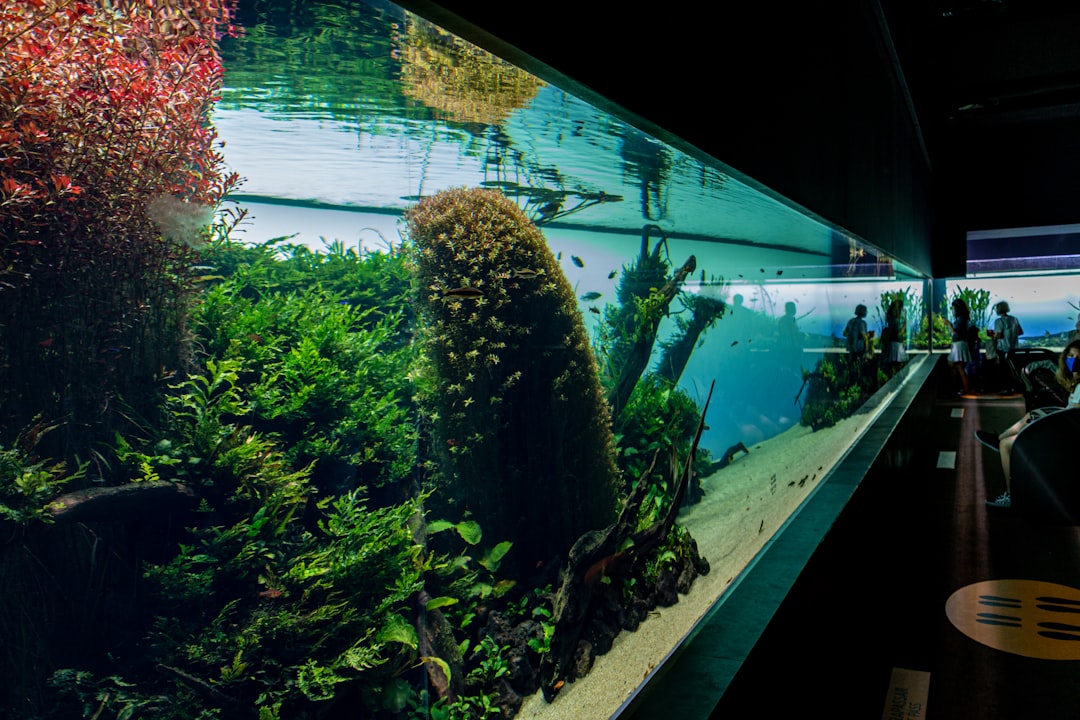
Starting a planted tank is exciting, but forgetting a single item can stall your progress for days while you wait for a Shopee delivery. This planted tank setup checklist beginners guide from Gensou Aquascaping at 5 Everton Park, Singapore, ensures you have everything ready before water touches substrate. With over 20 years of planted tank experience, we have distilled the essentials into one practical list.
Tank and Stand
Choose a rimless glass tank between 30 and 60 litres for your first planted setup — large enough to be forgiving, small enough to be affordable. Low-iron (ultra-clear) glass costs 20–30 % more but makes colours pop noticeably. Your stand must support the filled weight: a 60-litre tank weighs roughly 70 kg with substrate and hardscape. In HDB flats, place large tanks against walls near load-bearing columns, never in the centre of a room on older flooring.
Substrate
Active aquasoil (ADA Amazonia, Tropica Soil, or local equivalents) buffers pH downward and supplies initial nutrients to plant roots. Spread it 4–6 cm deep at the back and 2–3 cm at the front to create a natural slope. Budget around $20–35 per 9-litre bag in Singapore. For a 45 cm tank, one bag is usually sufficient. Place a thin layer of power sand or pumice beneath the soil for long-term nutrient supply if your budget allows.
Filtration
A canister filter rated for 4–6 times your tank volume per hour provides excellent biological and mechanical filtration. For a 45-litre tank, a filter rated at 200–300 litres per hour is ideal. Hang-on-back filters work too but offer less media capacity. Fill the canister with coarse sponge, bio-rings or sintered glass, and fine filter floss in that order. Skip activated carbon unless you need to remove medication — it also strips plant nutrients.
Lighting
An LED fixture producing 30–50 lumens per litre supports a wide range of beginner plants. Adjustable fixtures let you start at lower intensity and increase as plants establish. Popular budget options in Singapore include Chihiros and WRGB-series lights, ranging from $40 to $120 depending on size. Mount the light 10–15 cm above the water surface for even coverage. Set a timer for seven hours daily and increase to eight hours after the first month.
CO2 System (Optional but Recommended)
Pressurised CO2 dramatically improves plant growth and colour. A basic setup includes a CO2 cylinder (typically 1–2 litres), a solenoid regulator, tubing, and an in-tank diffuser. Complete kits start around $80–120 in Singapore. Set the bubble rate to achieve 20–30 ppm, verified using a drop checker with 4 dKH reference solution. If CO2 is beyond your initial budget, start with easy species that grow well without injection and upgrade later.
Hardscape
Rocks and driftwood form the visual backbone of your aquascape. Dragon stone (Ohko rock) is beginner-friendly because it does not alter water chemistry significantly. Spider wood and Malaysian driftwood are popular choices that sink reliably after soaking for a few days. Arrange hardscape before adding water — follow the rule of thirds for natural placement, and create depth by placing larger pieces toward the back.
Plants
Start with proven easy species: Anubias barteri, Java fern (Microsorum pteropus), Cryptocoryne wendtii, Rotala rotundifolia, and Eleocharis mini for a foreground carpet. Buy tissue-cultured portions where possible to avoid introducing pest snails and algae. Six to eight portions fill a 45 cm tank adequately. Plant densely from day one — empty substrate invites algae before plants can outcompete it.
Water Treatment and Testing
Keep a bottle of water conditioner (Seachem Prime or equivalent) on hand — Singapore’s tap water is chloramine-treated and must be dechlorinated before use. A liquid test kit covering ammonia, nitrite, nitrate, and pH is essential during the cycling period. Liquid fertiliser (all-in-one or separate macro and micro bottles) rounds out the supply list. Dose according to the manufacturer’s instructions, starting at half strength during the first two weeks while plants acclimate.
Final Pre-Launch Check
Before filling, confirm every item: tank level on the stand, substrate sloped, hardscape stable, plants positioned, filter assembled, CO2 line connected, light mounted, timer set, conditioner dosed, and test kit ready. Fill slowly using a colander or plate placed on the substrate to avoid disturbing the soil. Once full, start the filter and CO2, and resist adding fish for at least two weeks while the tank cycles. Patience at this stage sets the foundation for everything that follows.
Related Reading